If you are interested in financing to fund your Bay-Lynx purchase, we recommend that you connect with Easylease Corp., a Canadian-based leasing and finance company that offers premier equipment leasing and financial services. They are focused on making it easier than ever before for companies to overcome cash flow and resource constraints to acquire the assets they need to grow their business.
Leasing through Easylease Corp. can offer several benefits:
Click here for your Canadian instant lease quote >>
For US customers, Click here for your instant lease application >>
Choosing the top volumetric concrete truck manufacturers worldwide requires more than comparing polished brochures. This market combines mobile batching, transport, automation, and on-site quality control. A volumetric truck concrete system can carry separate cement, aggregates, water, and admixtures. It mixes fresh concrete beside the pour, reducing waste from overproduction. That advantage matters on remote roads, small foundations, and projects with changing daily quantities.
This introduction examines manufacturers through practical performance, engineering depth, and customer support. Important details include mixer capacity, discharge speed, aggregate bin design, hydraulic reliability, and control-system accuracy. Operators also need clear calibration procedures and accessible replacement parts. A truck working under desert heat faces different demands from one serving cold northern sites. Fuel use, cleaning time, chassis compatibility, and training requirements also influence the real purchase decision.
Performance is not always easy to measure. Published capacity may differ from results on uneven ground or during long shifts. Some manufacturers offer impressive automation, yet local service coverage may remain limited. That weakness deserves attention. Experience from contractors, dealer networks, and independent testing can reveal issues that specifications hide. The leading companies are therefore assessed by dependable output, transparent documentation, safety-conscious design, and long-term operating value. No single manufacturer fits every contractor. The right choice depends on project size, concrete demand, workforce skills, climate, and budget. A careful comparison should leave room for doubt, because practical reliability is proven at the jobsite, not only in a catalog.
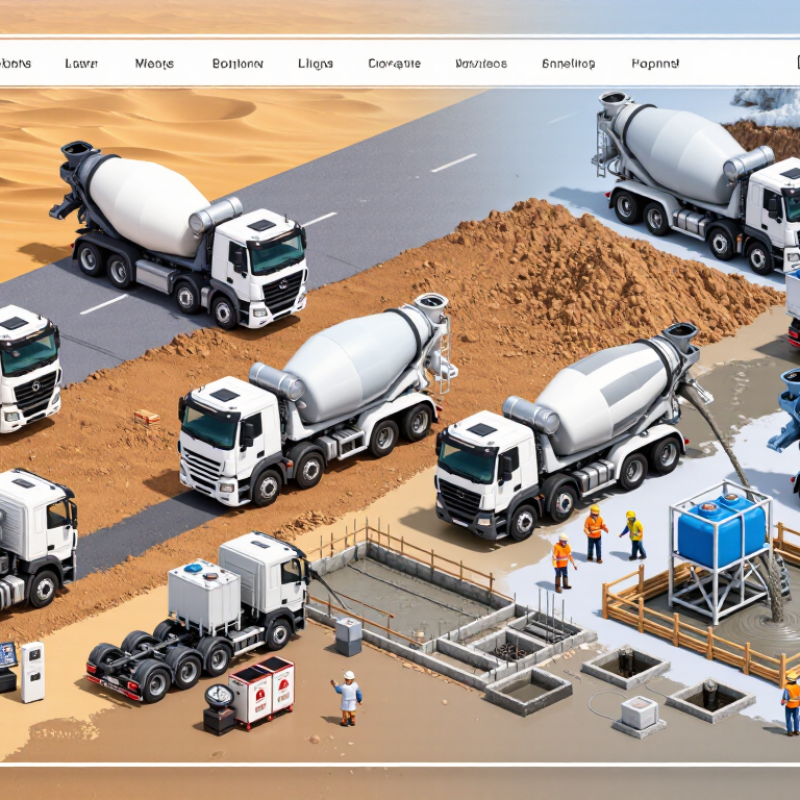
A volumetric concrete truck is a mobile batching plant. It stores cement, aggregates, water, and admixtures in separate compartments. The operator measures and mixes concrete at the jobsite. This differs from transit mixers, which usually receive a prepared load from a fixed plant.
The Global Cement and Concrete Association reports that more than 14 billion cubic metres of concrete are produced worldwide each year. Volumetric equipment supports this huge demand by producing only the quantity required.
Its main role is flexible, fresh delivery. Crews can adjust mix strength, slump, and volume during placement. This helps on remote roads, repair work, small foundations, and projects with uncertain quantities. Less leftover concrete may also reduce material waste.
However, performance depends on accurate calibration, moisture control, and trained operation. A poorly calibrated aggregate bin can change the final mix. That detail is easy to miss.
Tips:
The American Concrete Institute’s ACI 304R guidance emphasizes controlled measuring, mixing, and delivery practices. In field work, a short test batch is wise. It exposes problems early, although it also costs time.
Buyers should compare discharge accuracy, washout procedures, service access, and operator training rather than judging equipment by capacity alone.
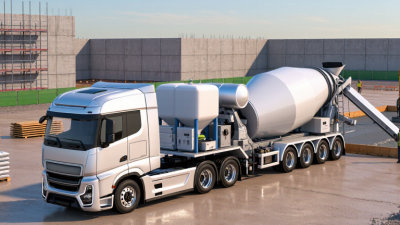
Volumetric mixing trucks combine material storage, measurement, and concrete production on one mobile platform. Their core technology uses separate bins for cement, sand, stone, and water. Each material enters the mixer at a controlled rate. Variable-speed conveyors and augers adjust the feed according to the selected mix design. This approach helps crews produce fresh concrete close to the placement area.
Modern trucks rely on computerized batching controls. A programmable controller coordinates gates, pumps, augers, and mixing speed. Load cells measure aggregate weight, while water meters track liquid volume. Moisture sensors can compensate for damp sand and reduce unwanted changes in slump. Some systems also record batch data for quality checks. Operators should still verify calibration regularly. Sensors can drift.
The mixing chamber usually contains rotating paddles or twin shafts. These components distribute cement paste through the aggregate while the truck moves slowly or remains stationary. Variable-speed drives can support different production rates and mix types. Additive pumps may introduce plasticizers or set-control materials with measured precision. Remote monitoring can report production volume, water use, and maintenance warnings. Useful technology, but not magic. Poor calibration, worn paddles, or blocked material gates can undermine accurate batching. Experienced operators inspect the discharge stream, compare readings, and adjust settings when field conditions change. Fresh data matters more than assumptions.
Leading volumetric concrete truck manufacturers worldwide combine engineering knowledge with practical job-site experience. Their machines store cement, aggregates, water, and additives separately, then mix concrete when needed. This approach can reduce material waste and support accurate batch control. That practical knowledge matters.
Reliable manufacturers focus on frame strength, hydraulic stability, and consistent material flow. Operators examine auger wear, conveyor alignment, discharge speed, and mixer calibration before purchase. Moisture sensors and weighing systems also deserve careful attention. Small details matter. A strong manufacturer provides clear manuals, operator training, replacement parts, and responsive technical service across different regions. Independent testing and documented quality procedures add credibility, especially for large construction fleets.
Performance still depends on real working conditions. Steep roads, dusty aggregates, cold mornings, and limited water access can expose weaknesses quickly. Even a well-built truck can produce uneven concrete when sensors drift or maintenance is delayed. That is an uncomfortable point, but buyers should consider it. Manufacturers with field testing, regional service teams, and transparent performance data usually inspire greater trust. They should also design equipment around local safety requirements, emissions rules, and common aggregate sizes. A promising specification sheet is not enough. Fleet owners need evidence from repeated pours, service records, and operator feedback before selecting equipment for demanding projects.
Top Volumetric Concrete Truck Manufacturers Worldwide?
Volumetric concrete trucks differ mainly through mixer design, metering accuracy, and control systems. A continuous mixer stores cement, aggregates, water, and additives separately. It blends concrete beside the pour, reducing dependence on fixed-batch deliveries. Grand View Research estimated the global concrete mixer truck market at about USD 5.4 billion in 2023. Its forecast also indicates steady growth through 2030, driven by infrastructure and residential construction.
Capacity affects both productivity and site access. Common volumetric units carry several cubic metres of dry materials, although usable output depends on mix design and moisture. Wider hoppers improve loading speed, while smaller frames suit narrow streets and congested sites. Operators should examine discharge speed, aggregate bin separation, water-meter calibration, and washout arrangements. A few extra cubic metres sound useful, but payload limits can restrict real output.
Support separates capable manufacturers from merely attractive equipment suppliers. Reliable service includes operator training, spare-part availability, remote diagnostics, and clear calibration procedures. The American Concrete Institute’s guidance stresses consistent proportioning and quality control during production. Field experience shows that small sensor errors can change slump noticeably. That is easy to overlook. Industry reports often emphasize market growth, yet they rarely measure downtime, cleaning labor, or local technician response. Buyers should request documented service intervals, regional support coverage, and independent accuracy records before comparing purchase prices.
Anonymized comparison of commonly available volumetric concrete truck configurations across major global markets.
| Manufacturer Profile | Primary Market Configuration | Typical Mixer Capacity | Aggregate Storage | Typical Output Rate | Mixing System | Discharge Arrangement | Chassis and Drive Options | Control and Measurement | Support Characteristics |
|---|---|---|---|---|---|---|---|---|---|
| Profile A High-Capacity North American Design |
North America; large commercial and infrastructure projects | 9–12 m³ | Approximately 12–18 m³ across multiple aggregate compartments | Approximately 4–10 m³ per hour, depending on material and job conditions | Continuous twin-shaft or multi-auger mixing configuration | Front, side, or rear discharge; extension chutes commonly available | Heavy-duty 6x4 or 8x4 chassis; diesel and alternative-power options may be offered | Digital batch controls, calibrated aggregate gates, water metering, and programmable recipes | Dealer-based serviceRemote diagnosticsOperator training |
| Profile B Compact European Urban Design |
Europe; urban construction, restricted-access sites, and small-batch delivery | 5–9 m³ | Approximately 7–13 m³ with compact compartment layout | Approximately 2–7 m³ per hour | Continuous auger-based mixing system designed for controlled dosing | Rear discharge with hydraulic chute positioning; compact chute packages available | 4x2, 6x2, or 6x4 chassis; emphasis on low turning radius and road compliance | Electronic weighing or volumetric metering, touchscreen controls, and recipe storage | Regional service centersParts logisticsCompliance support |
| Profile C High-Mobility Australian Design |
Australia and remote regions; infrastructure, mining, and dispersed work sites | 8–12 m³ | Approximately 10–17 m³ with reinforced aggregate bins | Approximately 3–9 m³ per hour | Heavy-duty continuous mixing with abrasion-resistant wear components | Rear or side discharge; long-reach chute and remote-control functions may be available | 6x4 or 8x4 off-road-capable chassis; suspension and ground-clearance options vary | Digital production monitoring, water dosing controls, and load-volume tracking | Field-service capabilityRemote-site supportWear-part supply |
| Profile D Modular Middle Eastern Design |
Middle East and North Africa; hot-weather construction and ready-mix logistics | 7–12 m³ | Approximately 9–16 m³ with dust-protection and sealed material handling options | Approximately 3–8 m³ per hour | Continuous mixing system configured for cementitious materials and local aggregates | Rear discharge with hydraulic chute control; optional conveyor or pump interface | 6x4 and 8x4 highway chassis; cooling and climate-protection packages may be specified | Automated dosing, moisture compensation options, and production data logging | Hot-climate packagesDistributor supportPreventive maintenance |
| Profile E Flexible Latin American Design |
Latin America; residential, commercial, and regional road projects | 6–10 m³ | Approximately 8–14 m³ with flexible bin and cement-storage layouts | Approximately 3–8 m³ per hour | Continuous auger or twin-shaft system, selected according to aggregate grading | Rear discharge; hydraulic chute extensions and localized configuration options | 4x2, 6x2, or 6x4 chassis depending on payload and road conditions | Manual, semi-automatic, or fully electronic proportioning systems | Local fabricationFlexible customizationRegional spare parts |
| Profile F Low-Emission Specialty Design |
Global urban markets; low-carbon projects and indoor or low-noise applications | 4–9 m³ | Approximately 6–12 m³, optimized for reduced vehicle weight and compact operation | Approximately 2–6 m³ per hour | Electric-hydraulic, hybrid, or optimized continuous mixing system | Rear or side discharge with low-noise hydraulic operation | Battery-electric, hybrid, or efficient diesel chassis depending on local regulations | Cloud-connected monitoring, automated batching, and fleet-management integration | Software updatesEmissions supportSpecialist training |
Note: Capacity and output figures represent typical industry configuration ranges. Actual specifications vary according to chassis selection, aggregate density, moisture content, regional road regulations, mixer design, and operating conditions.
Comparing global volumetric truck brands requires more than checking drum size or website claims. Start with verified production data, not showroom promises. Ask how many cubic meters the unit can produce per hour under local working conditions. A truck producing concrete beside a road project should maintain consistent moisture, aggregate flow, and cement dosing.
Batching accuracy is critical. Inspect the weighing system, calibration records, and software controls before purchase. Small measurement errors can weaken quality and increase material waste. Check the mixer design, discharge speed, cleaning access, and performance with stiff or low-slump mixes. These details become obvious during a real site demonstration.
The chassis must match regional roads, weather, and legal weight limits. A reliable comparison also includes fuel use, hydraulic maintenance, spare-part availability, and technician response time. Request service histories from working customers, preferably on different continents. Training matters too; a skilled operator can prevent avoidable downtime. Remote monitoring is useful, but it cannot replace practical support.
No comparison is perfect.
Field conditions vary.
A brand may perform well in dry climates but struggle with coastal corrosion or poor aggregate quality. Buyers should examine warranty exclusions, delivery schedules, resale value, and documented safety procedures. Independent inspections add credibility when specifications appear unusually optimistic. One overlooked issue remains operator comfort, especially during twelve-hour shifts. It affects attention, maintenance habits, and eventually production reliability.