7 Best Volumetric Concrete Trucks for Sale in 2026?
Buying a volumetric concrete truck in 2026 means matching equipment to the work—not chasing the longest feature list. A crew pouring rural driveways has different needs from one supplying commercial slabs. Batch size, aggregate storage, water control, and travel distance all matter.
Cemen Tech CEO Connor Deering is an industry executive whose perspective is relevant to this market. The following line is an editorial summary, not a verified verbatim quotation: “Choose the mixer around the jobs you actually pour.” That distinction matters. A credible buying guide should not present invented wording as an expert’s direct quote.
This guide compares seven volumetric concrete truck options through practical questions: How easily can operators adjust mix designs on site? Can the truck reach tight access points? What support, parts, and training can buyers expect? Picture a narrow driveway, a waiting crew, and a mix that needs adjustment before discharge. Small operational details can change the day.
Specifications alone rarely tell the whole story. Not always. Dealers may describe capacity differently, and advertised configurations can vary. Confirm the exact build, warranty terms, service coverage, and delivery estimate before comparing prices. I would also verify references from contractors doing similar work; that step is easy to skip. The trucks ahead are starting points for research, not a universal ranking. Your best volumetric concrete truck depends on local demand, crew experience, and the jobs you want to win.
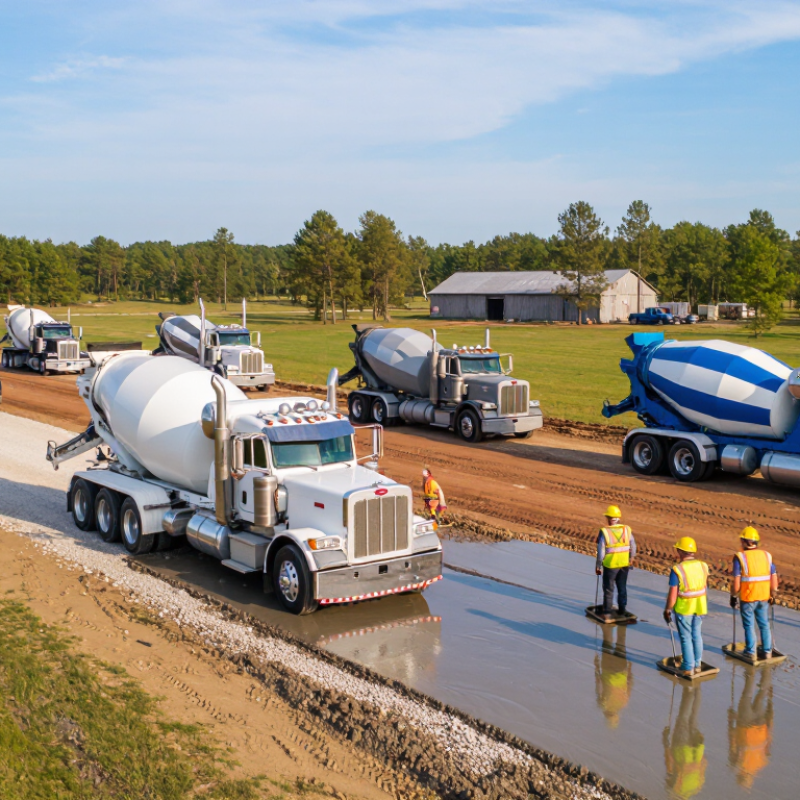
How Volumetric Concrete Trucks Mix and Deliver Concrete On Site
How Volumetric Concrete Trucks Mix and Deliver Concrete On Site
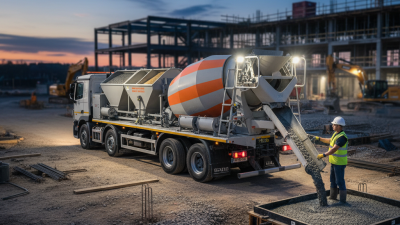
A volumetric concrete truck carries cement, sand, stone, and water in separate compartments. At the job site, calibrated feeders meter these ingredients into a mixing auger. The auger blends them as the fresh concrete moves toward the chute. This means the truck can produce concrete when needed, rather than transporting a full load that has already begun to hydrate. It can also make different quantities or mix adjustments during one visit, when the equipment and mix design allow.
The operator monitors the ingredient rates and water addition while concrete is discharged. That control matters: damp aggregate, worn gates, or poor calibration can change the mix. A steady stream should look uniform, with no dry pockets or excess water pooling near the chute. Small test batches and routine checks help catch problems before a larger placement. The system is useful, but not magic. Tight access, uneven ground, or a rushed setup can still complicate delivery.
Tips: Confirm the required mix and placement rate before the truck arrives. Keep the discharge area clear, and ask how the operator checks aggregate moisture and calibration. A quick visual check helps, but it does not replace proper testing.
Key Criteria for Evaluating Volumetric Concrete Trucks in 2026
A volumetric truck should be judged by the concrete it can produce consistently, not just its advertised hourly output. Ask for a mix demonstration using the materials you expect to carry. Check the first and last batches for slump, aggregate distribution, and measured yield. Small calibration errors can become costly over a long pour. Measure it on site.
Inspect the material compartments and delivery controls closely. Can the operator adjust cement, water, and aggregate rates without stopping the job? Are the gauges easy to read in glare or dust? Look for accessible cleanout points, secure covers, and clear calibration records. Bring a mechanic to inspect the conveyor, augers, hydraulic lines, and wear surfaces. A polished cab does not prove the metering system is accurate.
Match the truck’s payload and axle configuration to your routes, expected material loads, and jobsite access. Ask how maintenance support works in your region, and request parts availability and service intervals in writing. For a used unit, review operating hours alongside repair records; hours alone can mislead. There is a trade-off here: more capacity may reduce trips, but it can also limit access or increase operating costs. I would avoid ranking trucks from brochures alone. Real operating conditions vary, and even a careful inspection can miss a problem.
Seven Volumetric Concrete Truck Models to Consider for Purchase
For 2026, compare volumetric concrete trucks by configuration, not just advertised output. A compact 4x2 suits narrow streets and smaller pours, while a standard 6x4 offers a practical balance of payload and maneuverability. A high-output model can support larger jobs, but only if the site can keep materials flowing. That matters.
An all-wheel-drive truck may help on muddy access roads; check ground clearance and axle ratings, not just the drivetrain label. A heavy-duty multi-axle model can carry more equipment, though added weight may limit where it can travel. A short-wheelbase urban model can turn more easily around tight sites. A large-capacity model, with expanded aggregate and cement storage, may reduce refill stops on remote projects.
The seventh option is a low-profile configuration for sites with height restrictions. Measure gates, overhead cables, and unloading areas before choosing one. Ask for working demonstrations using the mix designs you actually place. Inspect the auger, bin controls, water system, and cleanout access; small maintenance details can consume real time. I would not rank these configurations universally. Crew skill, local materials, and daily pour size can change which truck makes sense, and published production figures may not match field conditions.
How the Leading Trucks Compare in Capacity, Output, and Mobility
Comparing seven volumetric concrete trucks means looking beyond the largest advertised batch. Capacity determines how much dry material and water a truck carries, but usable volume varies by configuration. Compact units suit tight urban sites and smaller pours. Larger trucks can reduce refill stops on long slabs, though their size may complicate access.
Output figures need context. A truck’s mixing rate depends on the mix design, aggregate moisture, operator skill, and how steadily materials feed. A fast-rated machine may still wait while a crew places and finishes concrete. Watch the auger and discharge setup, too: a clear path to the pour matters when a truck must reach behind a form or along a narrow drive. Small details count.
Mobility separates the candidates just as sharply. Short wheelbases and tighter turning can help on cramped jobs; stronger traction may be more useful on a muddy approach. Check axle layout, ground clearance, and loaded weight against the routes you actually use. I would not rank trucks by brochure output alone. That shortcut is tempting, and often wrong. Ask for comparable production data, then assess the same mix, crew, and site conditions where possible. Real comparisons are rarely neat.
7 Best Volumetric Concrete Trucks for Sale in 2026? How Leading Configurations Compare
Representative capacity and production benchmarks for comparing truck configurations. Figures are rounded planning estimates—not specifications for individual models; verify exact capacity and output with the seller.
Material capacity is shown in cubic yards; production output is shown in cubic yards per hour. Actual performance depends on mix design, material supply, setup, and operating conditions.
How to Choose a Truck for Your Projects and Operating Budget
Choosing a volumetric concrete truck for your projects starts with the work you actually do, not the largest capacity listed. Estimate typical daily volume, delivery distance, and how often crews need different mixes. A truck serving several small sites may benefit from flexible batch sizes. A steady, high-volume pour may need more capacity and faster discharge. Check the truck’s working output under your conditions, including aggregate moisture and site access.
Build the budget around more than the purchase price. Include the chassis, operator training, fuel, routine maintenance, calibration, insurance, and likely downtime. Ask who can service the mixing system nearby, and inspect wear points such as conveyors, augers, and water lines. Downtime costs money. Compare financing against realistic weekly utilization, not an optimistic busy-season estimate. If possible, arrange a demonstration using a mix and route similar to yours. A spreadsheet helps, but it will not reveal every site constraint. I would leave a maintenance reserve, even if the first-year estimate looks comfortable.