2026 Best Mobile Concrete Mixer Truck for Sale?
Choosing the 2026 best mobile concrete mixer truck for sale requires more than comparing prices and drum sizes. The right machine must match your daily workload, road conditions, concrete volume, and service expectations. A compact unit may suit urban foundations and narrow construction sites. A larger truck may perform better on highways, commercial projects, and extended delivery routes.
In this guide, we examine the practical features that influence buying decisions. These include drum capacity, mixing speed, discharge control, chassis strength, hydraulic reliability, fuel use, operator visibility, and cleaning access. We also consider supplier experience, warranty terms, spare-parts availability, and documented quality inspections. These details matter when fresh concrete must arrive evenly mixed, even after a long trip across uneven ground.
Real job sites are rarely perfect. Dust enters moving parts. Roads become muddy. Delivery schedules change. A promising mobile concrete mixer truck may still disappoint if maintenance support is weak. That point deserves attention. Buyers should request operating records, component brands, load specifications, and safety documentation before signing an order. Independent inspection is also wise, especially for used equipment or unfamiliar suppliers.
The “best” model is therefore not universal. It depends on measurable project needs and realistic ownership costs. A careful comparison can reveal whether a truck offers genuine value or only attractive marketing. We will highlight reliable options, common weaknesses, and selection mistakes that buyers should avoid in 2026. Some conclusions may remain open to debate, because field performance can differ from showroom claims.
What Is a Mobile Concrete Mixer Truck?
2026 Best Mobile Concrete Mixer Truck for Sale?
What Is a Mobile Concrete Mixer Truck?
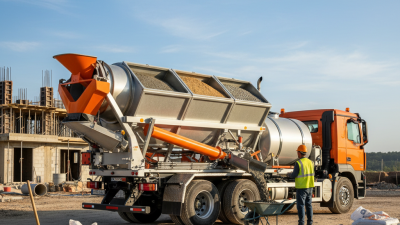
A mobile concrete mixer truck is a vehicle that produces fresh concrete near the construction site. It usually carries cement, aggregates, water, and admixtures in separate compartments. A rotating drum or mixing unit blends these materials into workable concrete.
Many models include a loading bucket, weighing system, water tank, and hydraulic controls. The operator can load stone and sand, measure materials, and adjust the mix directly on site. This setup helps remote projects avoid long trips to a stationary batching plant. Fresh concrete can reach a foundation, road repair, or farm structure with less waiting time.
From field experience, ground conditions matter more than many buyers expect. A compact truck may work well on narrow roads, but steep slopes can reduce stability. Drum capacity, discharge height, four-wheel drive, and cleaning access deserve careful checking. Accurate weighing also affects strength and material waste. Some machines appear efficient, yet poor calibration can create inconsistent batches. That is a weakness worth admitting.
Before purchasing, inspect the hydraulic system, drum lining, water metering, and operator controls. Ask for service records and test the mixer with actual aggregates. A suitable mobile concrete mixer truck should match local materials, daily output, road conditions, and available maintenance skills.
How Does a Mobile Concrete Mixer Truck Work?
2026 Best Mobile Concrete Mixer Truck for Sale?
How Does a Mobile Concrete Mixer Truck Work?
A mobile concrete mixer truck combines storage, weighing, mixing, and delivery on one moving platform. Its chassis carries separate bins for cement, sand, stone, and water. A hydraulic system powers the rotating drum or mixing shaft. Inside, spiral blades lift and fold the materials repeatedly. This movement creates a more consistent mixture during travel to the jobsite.
The operator loads measured ingredients into the mixing chamber. Water enters through a controlled pump and spray line. Sensors or manual gauges help monitor material quantities, drum speed, and discharge time. At the placement area, reversing the drum pushes fresh concrete toward the outlet. A chute then guides it into forms, foundations, or narrow work zones. From practical inspections, clean blades and stable water pressure strongly affect mixing quality. Small buildup can change the batch.
Tips: Check the hydraulic lines before each shift. Confirm the water meter reads accurately. Keep the drum turning slowly during transport. Avoid overloading the aggregate bins. Inspect the discharge chute after every pour. Record mix ratios and unusual sounds. These notes support safer operation and easier maintenance.
A mobile unit can reduce waiting time between batching and placement. It also suits rural roads, repairs, and projects with changing pour locations. However, operators still need proper training and verified mix designs. Mobile mixing is convenient, but it is not automatically precise. Crew habits matter more than many buyers expect.
Which Features Matter When Choosing One in 2026?
2026 Best Mobile Concrete Mixer Truck for Sale?
Which Features Matter When Choosing One in 2026?
A strong mobile concrete mixer truck should match your daily work, not just its advertised capacity. Check drum volume, mixing speed, discharge control, and access to service points. A reliable hydraulic system supports steady output on uneven construction sites. Look for corrosion-resistant drum materials and reinforced frame components. These details matter when concrete travels over rough roads or waits between pours.
Operator visibility is another practical concern. A wide windshield, clear mirrors, and simple controls can reduce mistakes around workers and barriers. Modern monitoring systems may track drum speed, water use, fuel consumption, and maintenance alerts. However, electronic features are not automatically better. They need clear displays and dependable backup controls. I once underestimated cleaning access on equipment, and that mistake increased downtime. Easy drum washing and reachable grease points deserve serious attention.
Tips:
Compare real payload limits, not only drum size. Ask for maintenance records and inspection reports. Test the discharge chute before purchase. Listen for unusual hydraulic noise. Check tire condition, braking response, lighting, and emergency controls. A short road test can reveal vibration that photographs hide. Also review local service support and spare-part availability. The cheapest truck may become expensive when small repairs interrupt several scheduled pours. No checklist is perfect. Recheck your choice against the crew’s skills, site conditions, and expected workload.
How to Compare Mobile Concrete Mixer Trucks for Sale
2026 Best Mobile Concrete Mixer Truck for Sale?
How to Compare Mobile Concrete Mixer Trucks for Sale
Comparing mobile concrete mixer trucks requires more than checking drum capacity or price. Start with your daily work conditions. A compact truck may suit narrow urban sites, while larger projects need higher output and longer operating hours. Check the drum volume, mixing speed, discharge reach, water system, and chassis weight. These details affect concrete consistency and delivery time.
Look closely at maintenance access. Can workers reach filters, hydraulic lines, and washout points without removing major parts? Ask for service records, load testing documents, and clear information about replacement parts. Fuel use also matters. A truck that saves fuel but mixes slowly may increase labor costs. A larger drum is not always better. It can reduce maneuverability on crowded sites.
Tips: Compare actual working capacity, not only the advertised maximum. Inspect the drum lining for uneven wear. Test the discharge chute with concrete if possible. Check tire condition and braking performance. Review operator controls inside the cab. Small controls matter. Also, calculate transport distance and water usage before buying. I would not ignore noise, visibility, or cleaning time. These factors are easy to overlook, yet they shape daily productivity. A careful comparison may take longer, but rushed decisions often create expensive regrets.
How to Compare Mobile Concrete Mixer Trucks for Sale
Compact mixers are easier to maneuver on restricted sites, while mid-size and high-capacity mixers deliver more concrete per batch and greater hourly productivity. The figures shown are rounded representative specifications commonly published for self-loading mobile concrete mixers; actual capacity and output depend on mix design, loading time, road conditions, and operator skill. Always verify the final specifications with the seller.