If you are interested in financing to fund your Bay-Lynx purchase, we recommend that you connect with Easylease Corp., a Canadian-based leasing and finance company that offers premier equipment leasing and financial services. They are focused on making it easier than ever before for companies to overcome cash flow and resource constraints to acquire the assets they need to grow their business.
Leasing through Easylease Corp. can offer several benefits:
Click here for your Canadian instant lease quote >>
For US customers, Click here for your instant lease application >>
Choosing the right volumetric truck in 2026 will require more than comparing engine power or drum capacity. Global buyers must examine output consistency, material storage, water control, service access, and local operating conditions. A truck working beside a humid coastal road faces different pressures from one serving a dry mining site. Small design choices can affect daily productivity.
John Kline of Cemen Tech has described the concept as “a concrete plant on wheels.” That comparison remains useful. A modern volumetric truck stores cement, aggregates, water, and admixtures separately. It mixes concrete on demand at the delivery point. This can reduce material waste and support changing pour sizes. Yet the phrase is not complete. The operator still needs accurate calibration, disciplined maintenance, and reliable supply planning.
This guide examines the leading volumetric truck types for global buyers in 2026. It considers compact units, high-output models, trailer-mounted systems, and electric or lower-emission options. Real purchasing decisions often begin with jobsite access. Narrow streets, uneven ground, limited water, and long service distances matter. So does the operator’s training.
Numbers can mislead.
A larger machine may promise impressive hourly output. However, it can become inefficient on small residential projects. A compact unit may appear less powerful. Still, it could deliver better utilization and lower transport costs. Buyers should request verified production data, component warranties, safety documentation, and regional support details. Manufacturer claims deserve careful testing.
The best volumetric truck is not always the biggest or newest. It is the model that fits the buyer’s materials, workforce, climate, and workload. Some recommendations will remain uncertain without site trials. That limitation matters.
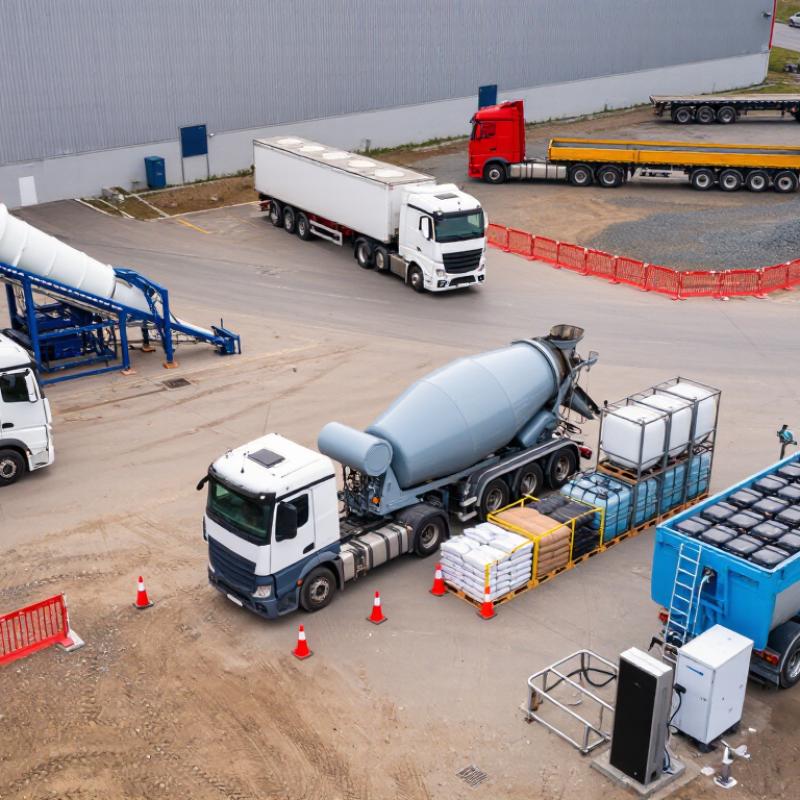
Volumetric trucks produce concrete on site instead of carrying a fixed batch from a plant. Separate compartments hold cement, aggregates, water, and admixtures. A conveyor or auger meters these materials into a mixing chamber. The operator controls the recipe through calibrated settings. Fresh concrete then flows directly to the pour area, often within minutes.
This system suits remote projects, changing pour sizes, and sites with uncertain schedules. Buyers should examine hopper capacity, mixing output, chassis strength, and cleaning access. Moisture can affect aggregate weight, especially in humid regions. Cold weather may slow mixing and water flow. Small errors matter. In real operations, inaccurate calibration can cause uneven strength or unnecessary material waste. Routine checks reduce that risk, but no truck removes the need for trained operators.
Tips: Ask for independent production tests, calibration records, and service procedures before purchase. Confirm whether local technicians can support hydraulic, electrical, and mixing systems. Check the truck’s dimensions against narrow roads and weak bridges. A larger unit may appear efficient, yet it can become difficult to position on crowded sites. Request clear guidance for cleaning the mixer after each pour. Residue hardens quickly. A practical trial with local materials is often more useful than a polished specification sheet.
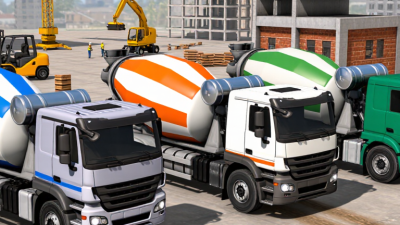
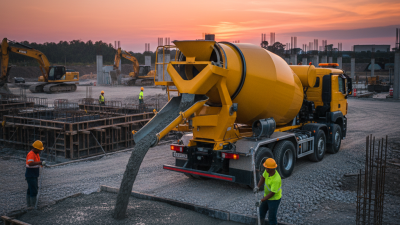
In 2026, global buyers will see several volumetric truck types serving different construction conditions. Truck-mounted mixers will remain common for highways, housing, and remote projects. They carry separate cement, aggregate, water, and admixture compartments. Operators can adjust the concrete mix at the jobsite. That reduces waste when delivery times change.
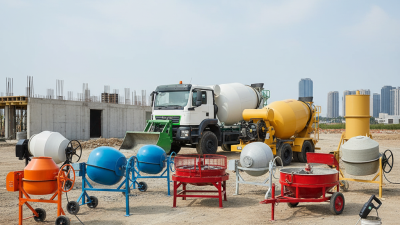
Trailer-mounted volumetric units will suit contractors needing flexible production capacity. They can move between sites with a suitable towing vehicle. Compact models will attract urban buyers working near narrow streets and restricted access zones. Electric or hybrid power systems may appear more often in low-emission projects. Their practical value depends on battery range, charging access, and local regulations. Quiet operation helps near hospitals and residential areas.
Buyers should inspect calibration records, drum or auger wear, control accuracy, and cleaning access. These details affect concrete consistency more than a brochure promise. In colder regions, insulation and heating protection deserve close attention. Hot climates require reliable water control and durable seals. Axle limits, road width, and spare-parts support also vary sharply between countries. No single format wins everywhere. That assumption often fails.
Experienced purchasers should request trial batches using local materials before signing a large order. Aggregate shape can change output rates and mixing performance. Operators need practical training, not only digital controls. Service documentation should be clear enough for a busy workshop. Telematics may improve maintenance planning, but poor connectivity can weaken its value. A careful buyer will leave room for these inconvenient realities.
2026 Top Volumetric Truck Types for Global Buyers
Volumetric trucks differ mainly in capacity, drive system, and working environment. Their separate aggregate, cement, water, and additive compartments support fresh mixing at the jobsite. Small units, often around 4–6 cubic meters, suit urban repairs and narrow access roads. Larger units can carry more material, but their payload may approach local axle limits. Bigger is not always better.
Drive systems change operating cost and site access. Diesel power remains practical for long-distance work and remote projects. Electric or hybrid systems can reduce noise and local emissions, especially near residential construction. However, battery range, charging time, terrain, and service support need careful checking. A four-wheel-drive chassis may handle muddy ground better, while a lighter two-wheel-drive model can reduce road wear. Real performance depends on road conditions, not brochures.
Tips: Ask for verified output tests, not only rated capacity. Check hopper layout, water-meter accuracy, cleaning access, and control-system training. Confirm that spare parts and technicians are available in your region. Review axle weights with a qualified local engineer. Aggregate moisture can change mix accuracy. Even experienced buyers sometimes overlook it. A short site trial often reveals more than a long specification sheet.
Volumetric trucks are commonly differentiated by usable concrete output, drive system, and operating environment. Compact 4x2 units are suited to urban and light-duty work, 6x4 trucks balance capacity with mobility, while 8x4 models provide the highest typical output for large construction projects and difficult sites.
Global buyers should examine working conditions before comparing truck sizes. The Global Cement and Concrete Association reports that around 14 billion cubic metres of concrete are produced annually worldwide. That volume hides major differences in climate, road access, aggregate quality, and project timing. A volumetric truck can batch concrete on site, but its value depends on accurate proportioning and dependable material storage. ASTM C685/C685M covers concrete made by volumetric batching and continuous mixing. Buyers should request calibration records, scale accuracy, discharge capacity, water-meter precision, and documented maintenance history. A large hopper is not always better.
Check the machine beside a real jobsite. Can it handle local sand moisture? Does its conveyor reach narrow foundations? Ask operators to demonstrate mix changes, emergency stops, washout procedures, and winter protection.
The truck should match local axle limits and service availability. A cheaper unit may become expensive when spare parts travel across borders. I have seen specifications look excellent on paper, yet poor aggregate grading reduced output noticeably. That detail deserves more attention.
Tips: Compare tested hourly production, not brochure capacity. Confirm compatibility with local cement and aggregates. Review at least twelve months of service records. Ask for independent load-cell verification. Test the truck under hot, wet, and dusty conditions. Leave room for doubt; field performance can differ from laboratory results.
In 2026, regional regulations will influence volumetric truck selection as much as concrete output. A mixer suited to wide rural roads may fail in a dense European city. Width limits, axle-weight rules, turning radii, and noise restrictions can change the preferred configuration. Buyers must check local requirements before comparing tank size or discharge speed.
Emission zones are pushing fleets toward lower-emission powertrains, especially near hospitals, housing projects, and central business districts. However, electric options still depend on charging access, payload demands, and daily route length. In hot regions, cooling systems need careful evaluation. In colder areas, insulation and reliable startup performance matter more. A truck with a large drum is not always the better investment.
Market conditions also shape the body design. Contractors handling small urban pours may value compact equipment and accurate water control. Large infrastructure projects may prioritize volume, uptime, and extended service intervals. Digital weighing, remote diagnostics, and clear maintenance records can support purchasing decisions. Field testing remains essential. A specification sheet can mislead. One overlooked bridge limit or narrow site entrance may create expensive delays. Buyers should compare real routes, local technician coverage, seasonal conditions, and resale expectations before selecting a truck type.