Financing

If you are interested in financing to fund your Bay-Lynx purchase, we recommend that you connect with Easylease Corp., a Canadian-based leasing and finance company that offers premier equipment leasing and financial services. They are focused on making it easier than ever before for companies to overcome cash flow and resource constraints to acquire the assets they need to grow their business.

Leasing through Easylease Corp. can offer several benefits:

  • Conserve Cash Leasing
  • 100% Financing
  • No Pre-Payment of Taxes
  • Preserve Lines of Credit
  • Potential Income Tax Benefits
  • Pay as You Profit
  • Match Revenue with Expenditures
  • Simple, Convenient Process
  • Tailored Payments

Click here for your Canadian instant lease quote >>

For US customers, Click here for your instant lease application >>

China Top 10 Concrete Mixer Machine Manufacturers?

Choosing the right concrete mixer machine requires more than comparing prices or reading supplier rankings. Chinese manufacturers serve many construction needs, from compact mixers for residential sites to large planetary systems for precast plants. Their product quality, production capacity, service response, and export experience can differ significantly.

Dr. M. C. Nataraja, a recognized concrete technology researcher, has emphasized, “Uniform mixing is essential for producing reliable concrete.” That principle remains practical on a dusty jobsite. A mixer may look powerful, yet poor blade design can leave dry pockets near the drum wall. Operators notice this when cement paste sticks to the corners and aggregate falls unevenly.

This guide examines ten leading China-based concrete mixer machine manufacturers through useful purchasing factors. These include mixing performance, motor reliability, drum or planetary design, automation, spare-parts support, certifications, and overseas service. Real project conditions matter. A compact electric mixer may suit a small urban site, while a twin-shaft model may better support continuous batching.

The ranking is not absolute. Market data changes, and some manufacturers provide limited public information. That limitation deserves attention. Buyers should request test videos, factory details, technical drawings, warranty terms, and customer references before signing a contract. A polished website is not proof of dependable equipment.

The goal is practical guidance, not a perfect verdict. By comparing manufacturers carefully, contractors and distributors can reduce downtime, control maintenance costs, and select a concrete mixer machine that matches actual production demands.
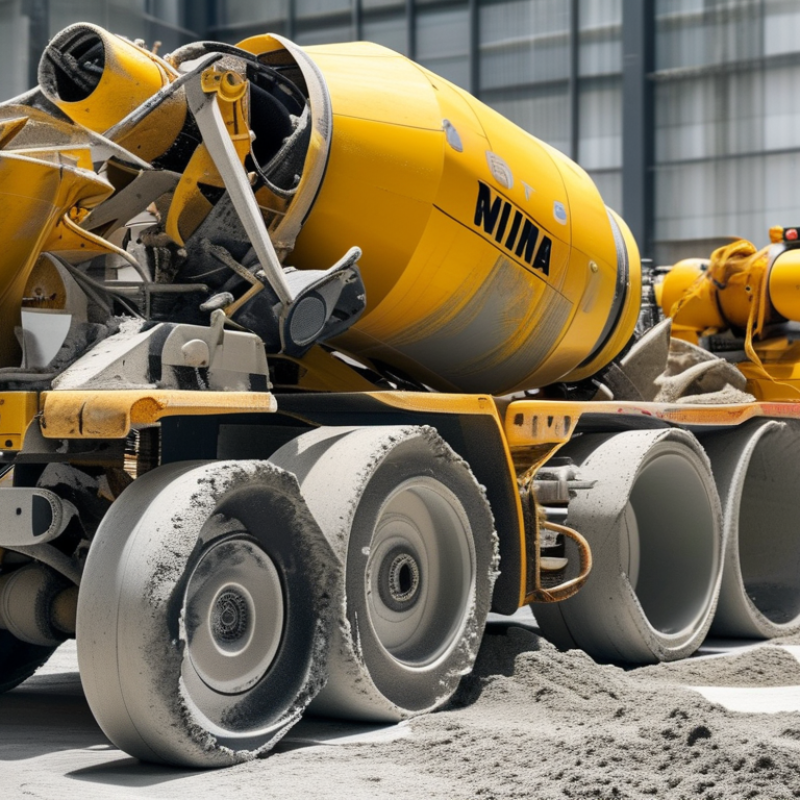
China Top 10 Concrete Mixer Machine Manufacturers?

What Is a Concrete Mixer Machine?

A concrete mixer machine combines cement, aggregates, water, and additives into workable concrete. It uses a rotating drum, paddles, or twin shafts to distribute each material evenly. In practical terms, the machine turns separate ingredients into a consistent mixture for foundations, slabs, roads, and precast components.

Different mixer designs suit different jobs. Drum mixers are common on construction sites because they are simple to operate and easy to transport. Twin-shaft mixers provide faster, more intensive mixing for large-volume production. Pan mixers can handle stiff or specialized mixes with strong uniformity. Capacity matters, but it is not the only factor. Operators should also check discharge speed, motor power, drum wear, cleaning access, and control accuracy.

A reliable assessment includes a trial batch. Watch whether dry powder collects near the corners. Check the mixture after discharge, not only inside the drum. Timing matters. Too little mixing can create weak zones, while too much mixing may waste energy or alter workability. I once underestimated how quickly hardened residue could reduce drum capacity; that mistake is common. Regular washing, inspection of blades, and accurate weighing improve performance. The machine still depends on disciplined operation. No equipment can correct poor material proportions or careless maintenance.
How China’s Concrete Mixer Manufacturers Are Classified

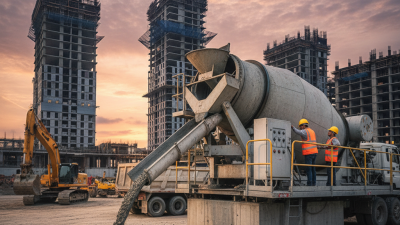
China’s concrete mixer manufacturers are best classified by product function, output, and automation level. Portable mixers serve small sites and rural repairs. Twin-shaft and planetary mixers target batching plants, precast yards, and high-strength concrete. Truck-mounted units support continuous delivery across large construction projects. This matters more than factory size.

Grand View Research estimates the global concrete mixer market will expand at roughly 5% annually through the decade. China’s large construction base supports a wide supplier structure. The National Bureau of Statistics reported China’s construction industry output above RMB 31 trillion in 2023. That demand encourages manufacturers to specialize. Some focus on compact electric units. Others build heavy-duty systems exceeding 4 cubic meters per batch. Output claims still need verification.

A practical classification also uses automation and service capability. Entry-level suppliers often provide manual controls, basic steel frames, and limited customization. Mid-range manufacturers add weighing sensors, programmable controls, dust reduction, and remote diagnostics. Advanced producers integrate moisture correction, recipe tracking, and plant-wide data links. The difference appears on site. A stable discharge takes minutes, not repeated adjustments. I have seen brochures promise “high efficiency” without stating mixing uniformity, motor duty cycles, or spare-part lead times. Buyers should request test records, noise data, weld inspection details, and local service response times. The classification is useful, but it is not perfect. Small factories can outperform larger ones on a narrow application.

China’s Top 10 Concrete Mixer Machine Manufacturers

China’s Top 10 Concrete Mixer Machine Manufacturers are often evaluated through production experience, engineering capability, and after-sales reliability. A strong manufacturer should provide stable mixing performance, accurate discharge, and durable components. Factory visits can reveal more than online catalogs. Look for organized welding areas, clean assembly lines, and documented quality checks.

Experienced manufacturers usually offer drum capacities from small site models to large commercial systems. They should explain motor power, mixing cycles, gearbox design, and spare-parts availability clearly. Reliable testing includes no-load operation, loaded mixing, discharge inspection, and noise monitoring. Operators also need practical controls, emergency stops, and easy access to maintenance points. Small details matter.

A top-ten list should not depend only on export volume or impressive photographs. Production records, delivery consistency, certifications, and customer feedback deserve equal attention. Some manufacturers perform well in standard projects but struggle with customized requirements. That weakness is easy to miss. Buyers should request recent inspection reports, videos of working machines, and realistic warranty terms. Rankings may change as technology, management, and service networks develop. Even careful comparisons can contain incomplete information, especially when regional data is limited.

China's Top 10 Concrete Mixer Machine Manufacturers

Common nominal capacity classes available across China's concrete mixer machine industry

The chart shows widely used nominal capacity classes for concrete mixing equipment, from compact stationary mixers to high-capacity batching and mixing systems. These capacity values are industry-standard machine specifications and are presented without using company or brand data.

How to Compare Chinese Concrete Mixer Machine Suppliers

China Top 10 Concrete Mixer Machine Manufacturers?

How to Compare Chinese Concrete Mixer Machine Suppliers

Comparing Chinese concrete mixer machine suppliers requires more than checking a website ranking. Define your project first. Record the required mixing capacity, drum volume, discharge height, power supply, and working hours. A machine for small construction sites may not suit continuous commercial production.

Ask each supplier for a complete technical sheet. Check motor power, mixing speed, steel thickness, gearbox details, and daily output. Request videos of actual machines operating under load. Product photos can hide weak welds or undersized components. Ask for factory inspection records, quality certificates, and test reports linked to the exact model.

Details matter. Confirm spare parts availability, packaging quality, installation guidance, and response times. Compare the full delivered cost, including transport, insurance, taxes, and commissioning. A low quotation can become expensive after missing parts or unclear warranty terms. Do not rush. Ask for evidence.

A useful comparison table should show identical specifications across all suppliers. Otherwise, the cheapest offer may simply describe a smaller machine. One weakness in this method is that documents cannot reveal every production habit. An independent pre-shipment inspection can check welds, paint coverage, electrical components, and trial operation. Keep communication records, because vague promises are difficult to enforce later. Practical buyers should also test how clearly the supplier explains limitations, not only advertised strengths.

How to Choose the Right Manufacturer for Your Project

Choosing among China’s top 10 concrete mixer machine manufacturers requires more than comparing prices. Start with your project conditions: required output, aggregate size, mixing time, site access, and local power supply. A 1.5-cubic-meter mixer may suit residential foundations, while large infrastructure projects need higher throughput and continuous material feeding. Confirm the rated capacity, but also ask for the usable batch volume. These figures are not always identical.

Industry data adds useful context. The Global Cement and Concrete Association reports that about 14 billion cubic meters of concrete are produced globally each year. The International Energy Agency also estimates cement production causes roughly 7–8% of global CO2 emissions. Efficient mixing therefore affects both operating cost and resource use. Ask manufacturers for measured energy consumption, mixing uniformity tests, and documented performance under similar materials. Data beats slogans.

Inspect the machine before purchase, even when the supplier provides excellent videos. Check weld quality, blade thickness, gearbox access, dust protection, emergency stops, and replacement-part availability. Request factory acceptance testing and at least three verified customer references. A reliable manufacturer should explain maintenance intervals clearly and provide drawings, manuals, and operator training. An impressive specification sheet can still hide weak after-sales support. I would also test discharge speed on your actual mix design, because laboratory results may not match a dusty, uneven jobsite. Price matters, but downtime often costs more.

China Top 10 Concrete Mixer Machine Manufacturers? - How to Choose the Right Manufacturer for Your Project

Rank Anonymous Manufacturer Main Product Focus Typical Mixing Capacity Drive Configuration Suitable Applications Key Evaluation Strength Information to Verify Before Purchase
1 Manufacturer A Twin-shaft and planetary mixers 1.5–4.5 m³ per batch Electric motor with gearbox Precast concrete and batching plants High mixing uniformity and short cycle times Wear-part grade, discharge design, and guaranteed output
2 Manufacturer B Planetary and pan mixers 0.5–3.0 m³ per batch Electric motor with direct or geared transmission Precast products, blocks, and dry-mix materials Flexible configuration for smaller production lines Blade material, maintenance access, and spare-parts stock
3 Manufacturer C Twin-shaft compulsory mixers 2.0–6.0 m³ per batch Dual electric motors with synchronized gearboxes Commercial concrete and infrastructure projects High throughput and effective aggregate distribution Motor rating, cycle-time test results, and liner warranty
4 Manufacturer D Drum and planetary mixers 0.75–3.5 m³ per batch Electric or hydraulic drive options Mobile batching and remote construction sites Adaptability to transportable equipment layouts Transport dimensions, installation requirements, and hydraulic support
5 Manufacturer E Concrete mixers for precast production 0.75–2.5 m³ per batch Electric motor with automated control Pipes, slabs, panels, and concrete blocks Consistent batching and recipe repeatability Control-system compatibility, weighing accuracy, and calibration service
6 Manufacturer F Self-loading and mobile mixer systems 1.0–4.0 m³ per batch Diesel-hydraulic or electric-hydraulic system Roadwork, rural construction, and low-volume sites Reduced dependence on fixed batching infrastructure Fuel consumption, loader capacity, road certification, and hydraulic warranty
7 Manufacturer G High-performance twin-shaft mixers 3.0–6.0 m³ per batch Dual-drive electric configuration Large commercial and infrastructure batching plants Large batch volume and continuous-duty operation Peak power demand, foundation loads, and continuous-duty test data
8 Manufacturer H Small and medium pan mixers 0.25–1.5 m³ per batch Electric motor with compact gearbox Small precast workshops and repair projects Compact footprint and relatively simple operation Minimum batch size, noise level, cleaning method, and local support
9 Manufacturer I Horizontal shaft and drum mixers 1.0–4.0 m³ per batch Electric or diesel-powered options General construction and temporary project sites Broad application range and straightforward servicing Aggregate size limit, discharge time, corrosion protection, and service response
10 Manufacturer J Customized mixer and batching solutions 1.0–5.0 m³ per batch Configuration selected according to project requirements Special mixes, automated lines, and engineered projects Customization of layout, controls, and discharge systems Engineering drawings, factory acceptance testing, commissioning, and documentation
Selection note: Capacity ranges are typical equipment categories rather than verified company-specific rankings. Before signing a contract, compare certified specifications, actual output tests, power consumption, wear-part costs, warranty terms, installation support, spare-parts availability, and compliance with the regulations of the destination market.