Financing

If you are interested in financing to fund your Bay-Lynx purchase, we recommend that you connect with Easylease Corp., a Canadian-based leasing and finance company that offers premier equipment leasing and financial services. They are focused on making it easier than ever before for companies to overcome cash flow and resource constraints to acquire the assets they need to grow their business.

Leasing through Easylease Corp. can offer several benefits:

  • Conserve Cash Leasing
  • 100% Financing
  • No Pre-Payment of Taxes
  • Preserve Lines of Credit
  • Potential Income Tax Benefits
  • Pay as You Profit
  • Match Revenue with Expenditures
  • Simple, Convenient Process
  • Tailored Payments

Click here for your Canadian instant lease quote >>

For US customers, Click here for your instant lease application >>

Why Choose the Best Concrete Mixer for Your Projects?

Choosing the right concrete mixer for your projects is crucial. John Smith, a renowned expert in the concrete industry, once said, “A high-quality concrete mixer can make all the difference.” His words resonate with many professionals who understand the complexities of construction work.

The efficiency of a concrete mixer directly impacts project timelines and outcomes. With various types on the market, selecting the best one can be daunting. Not all mixers offer the same level of performance. Some are designed for small tasks, while others are built for large-scale jobs. Knowing what you need is vital.

Many overlook the importance of having a reliable concrete mixer. Cheap mixers may save money upfront but can lead to costly delays. The right choice can enhance productivity and ensure a durable final product. Investing in quality is not just about the mixer itself; it's about the entire project's success. Choosing wisely fosters trust in your capabilities as a professional.
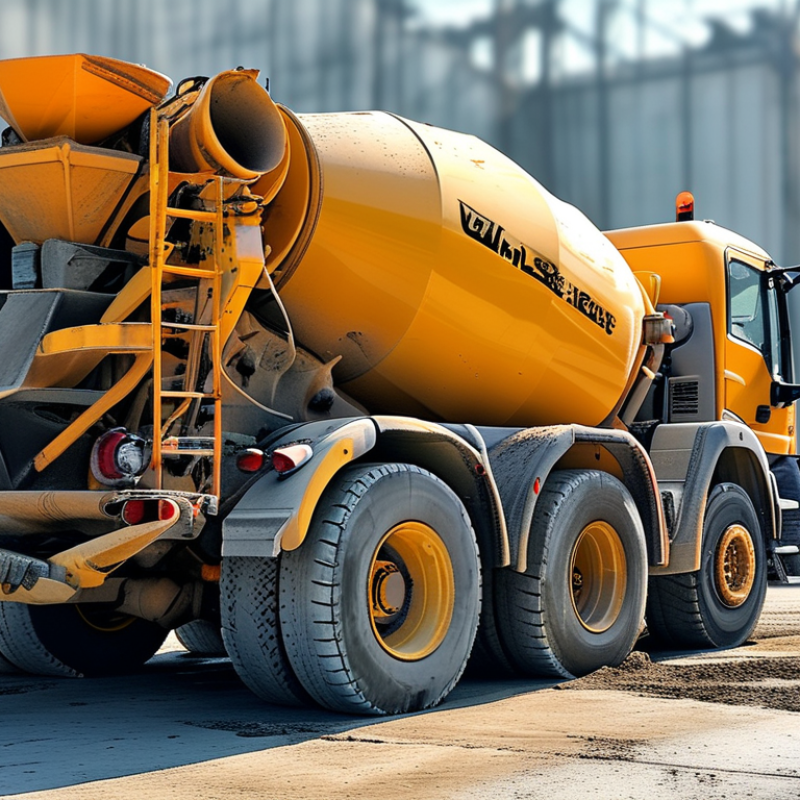
Why Choose the Best Concrete Mixer for Your Projects?

Understanding the Importance of a Quality Concrete Mixer

Concrete mixers play a crucial role in various construction projects. A quality mixer can significantly impact the strength and durability of the finished product. According to a report by the American Concrete Institute, using high-quality equipment improves overall productivity and reduces waste by 20%. This statistic highlights the importance of selecting the right mixer for your needs.

Investing in a reliable concrete mixer offers several advantages. For instance, mixing consistency is essential for achieving the desired compressive strength in concrete. A study indicated that inconsistently mixed concrete could lose up to 15% of its strength. This reinforces the idea that poor equipment negatively affects project outcomes. Quality mixers also tend to have better features, such as efficient paddles and better control systems, which can enhance user experience and mitigate fatigue.

However, it’s important to reflect on the choices made in the selection process. Some projects may prioritize cost over quality, leading to subpar results. A 2018 report by the National Ready Mixed Concrete Association found that 30% of construction delays were tied to equipment-related issues. This suggests that cutting corners with equipment can have long-term repercussions on project timelines and integrity. Understanding these factors is vital for making informed decisions in concrete mixing.

Why Choose the Best Concrete Mixer for Your Projects? - Understanding the Importance of a Quality Concrete Mixer

Feature Importance Recommended Specifications
Drum Capacity Determines the volume of concrete mixed at once. Minimum 3 cubic feet for small projects; 10 cubic feet for larger jobs.
Motor Power Affects mixing efficiency and speed. At least 1 HP for home use; 2-3 HP for commercial use.
Weight Influences stability during operation. 80-150 lbs for portability, heavier for stability.
Build Material Durability and resistance to wear over time. Steel construction preferred for durability.
Mixing Type Impacts mixing quality and efficiency. Belt-driven or drum mixers, depending on project needs.

Key Features to Consider When Choosing a Concrete Mixer

When selecting the right concrete mixer, the choice can significantly impact your project’s efficiency. Understanding key features can help streamline your decision. One important aspect is the capacity of the mixer. Most projects range between 1 to 3 cubic yards, and having the right-sized mixer can save both time and labor costs. For instance, a 1-yard mixer typically requires about 20 minutes to mix, while a larger unit may cut this time significantly.

The power source is also crucial. Gasoline, electric, and diesel models each have benefits. According to industry reports, electric mixers are 30% more efficient for indoor projects due to lower noise levels and emissions. Consider portability, too. While stationary mixers work well for set sites, portable models can facilitate varied job sites, providing adaptability.

Durability is a consideration that often gets overlooked. Heavy-duty steel constructions offer longevity but also create weight issues. Maintenance requirements should influence your decision as well. Reports indicate that regularly serviced mixers can last up to 15 years, while neglected ones may fail in half that time. This highlights the importance of balancing durability with ease of maintenance for long-term use.

Types of Concrete Mixers and Their Specific Applications

Concrete mixers come in various types, each suited for different applications. Understanding these types can significantly impact project outcomes. For small projects or repairs, portable mixers are optimal. They are easy to manage and require minimal space. Their ability to mix small batches makes them a go-to choice for DIY enthusiasts.

For larger projects, stationary mixers shine. These mixers can manage bigger volumes and create a consistent mix. According to industry reports, stationary mixers can enhance productivity by up to 30%. Their robust construction allows handling heavier loads, making them ideal for large-scale construction sites. However, they may require a more extensive setup, which can lead to longer preparation times.

Drum mixers are widely used for general construction tasks. They are versatile and provide a good mixing quality. A report from the National Ready Mixed Concrete Association noted that drum mixers are responsible for over 40% of all concrete mixing operations. While they are efficient, they do have limitations. For instance, they may not achieve the same level of homogeneity in the mixture as twin-shaft mixers, which excel in high-performance applications. Understanding these nuances is crucial for selecting the right mixer for specific project demands.

Benefits of Investing in a High-Performance Concrete Mixer

Investing in a high-performance concrete mixer can significantly impact your project outcomes. According to industry reports, concrete quality is essential for structural integrity. A well-functioning mixer ensures uniformity in the mixture, which can enhance the overall durability of the construction. Studies show that inconsistent mixing can lead to a strength variance of up to 25%.

The efficiency of a mixer also plays a critical role in project timelines. High-quality mixers reduce mixing time by 30% compared to lower-tier options. This efficiency can lead to faster project completion, allowing contractors to take on more jobs. In the competitive construction industry, time is money. Therefore, investing in a reliable mixer can yield long-term savings.

Moreover, user experience varies with different mixers. Sometimes, operators struggle with complex features in cheaper models. This can cause delays and frustration. A straightforward, high-performance mixer can enhance user satisfaction. An operator should feel confident in their tools. Ultimately, choosing the right mixer is about balancing cost, efficiency, and user-friendliness for the project's success.

Benefits of Investing in a High-Performance Concrete Mixer

How to Maintain Your Concrete Mixer for Longevity and Efficiency

Maintaining your concrete mixer is vital for its longevity and efficiency. Regular maintenance ensures consistent performance and reduces unexpected breakdowns. Cleaning the mixer after each use is essential. Residual concrete can harden, making future cleaning more difficult. A simple rinse and wipe-down can save time and effort later.

Tips: Check the mixing blades often. Worn blades slow down the mixing process and can lead to uneven concrete. If they show signs of wear, consider replacing them promptly.

Inspection is crucial. Look for loose components or leaks in the mixer. Tighten any bolts or screws that might have loosened during operation. Ignoring these details can lead to bigger issues over time, affecting not just efficiency but safety as well.

Tips: Lubricate the bearings regularly. This helps reduce friction and extends the life of the mixer. A small investment in maintenance can yield significant savings in repairs and downtime. Always keep an eye on the mixer’s overall condition to ensure it functions as intended.