What is a Mobile Concrete Mixer and How Does It Work?
In the fast-paced construction industry, efficiency and flexibility are crucial. A mobile concrete mixer has become an essential tool for contractors looking to optimize their workflow. According to Alex Thompson, a noted expert in construction machinery, "The mobile concrete mixer revolutionizes how we approach on-site projects." This innovative equipment offers the advantage of mixing concrete right where it is needed.
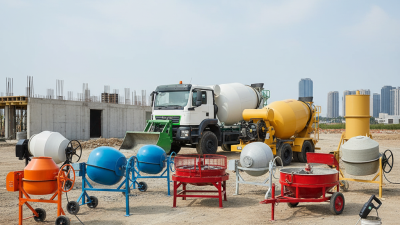
Mobile concrete mixers are designed for versatility. They allow workers to produce fresh concrete on-site, reducing the need for transporting mixed concrete from distant plants. This can save time and reduce costs. However, it's important to recognize that not all projects may benefit equally from mobile mixers. Some sites may still require traditional mixing methods, depending on scale and location.
Understanding how a mobile concrete mixer operates is vital for construction professionals. These machines are equipped with a barrel that rotates to mix materials thoroughly. Yet, users must ensure proper maintenance to avoid issues. Regular checks can prevent breakdowns and ensure reliable performance. The balance between innovation and practicality highlights the need for careful consideration in selecting the right equipment for each job.
What is a Mobile Concrete Mixer?
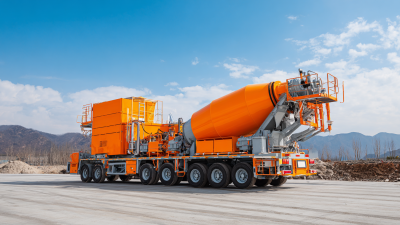
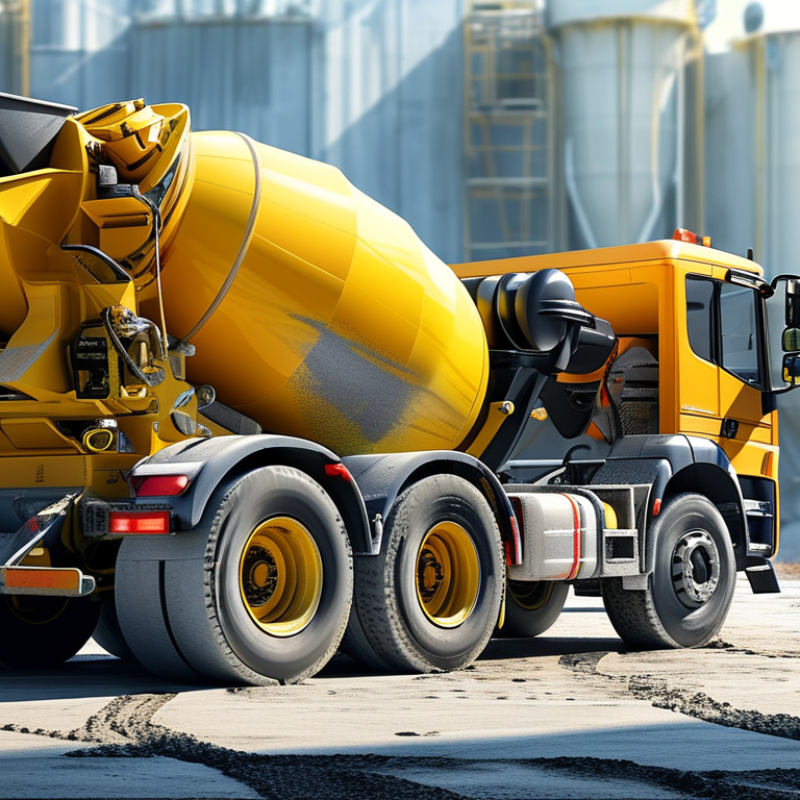
A mobile concrete mixer is a specialized machine designed for mixing concrete on-site. Unlike traditional mixers, these units are mounted on trucks or trailers. They come equipped with a rotating drum that thoroughly combines the ingredients. The design allows for easy transportation and quick setup at construction sites.
These mixers can produce fresh concrete just before it is needed. This helps to ensure the material maintains optimal consistency and strength. Operators load the ingredients—cement, sand, gravel, and water—into the drum. As it rotates, the components blend seamlessly. This process minimizes the risk of waste and allows for adjustments in material ratios as needed.
However, working with mobile mixers requires skill and experience. Incorrect mixing can lead to structural issues. It's important to monitor the mixing time and ingredient ratios closely. Some operators find it challenging to achieve the perfect blend every time, which can affect project outcomes. Learning from these mistakes is key for improvement in future operations.
Key Components of a Mobile Concrete Mixer
Mobile concrete mixers are essential tools in construction, allowing for the onsite preparation of fresh concrete. Understanding their key components is crucial to appreciate how they function.
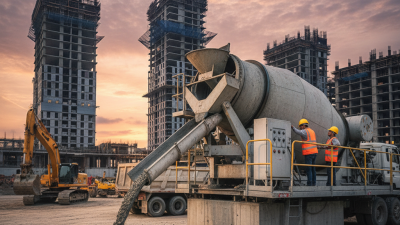
One main part of a mobile concrete mixer is the mixing drum. It rotates to combine all ingredients thoroughly. The design ensures a homogeneous mixture, which is vital for quality. Another significant component is the control system. Operators can adjust the mix settings easily, enabling flexibility for different projects. A reliable water delivery system is also vital. It ensures precise water measurements for optimal consistency.
Mobile concrete mixers often have challenges. For example, they may produce inconsistent mixes in varying weather conditions. Frequent maintenance is necessary to ensure all components function correctly. Regular inspections can mitigate these issues. Understanding these components helps users address common problems and enhance performance over time.
How Mobile Concrete Mixers Operate: A Step-by-Step Guide
Mobile concrete mixers are essential machinery in construction. They blend materials on-site, ensuring fresh concrete for various projects. Understanding their operation can enhance efficiency and quality.
The process begins with loading raw materials, like cement, sand, and gravel, into the mixer’s drum. Water is added based on desired consistency. As the drum rotates, ingredients mix evenly. This blending happens continuously until the concrete is needed. The operator can control the mixture by adjusting ingredient ratios during this phase.
When using a mobile concrete mixer, always ensure the machine is maintained. Regular checks on the drum and mixing blades can prevent unexpected breakdowns. An idle mixer can lead to a poorly mixed batch of concrete. Additionally, consider the location of your project. Access to the site affects how quickly the concrete can be delivered and poured.
Choosing the right mix and monitoring consistency is crucial. A mix that is too dry may crumble, while an overly wet one can weaken the structure. It’s important to account for weather and temperature, which can impact drying times.
Advantages of Using Mobile Concrete Mixers in Construction
Mobile concrete mixers have become essential in modern construction. These mixers allow concrete to be mixed and delivered on-site, providing efficiency and flexibility. Traditional methods often result in delays and wasted materials, but mobile mixers can produce a continuous supply of fresh concrete tailored to specific project needs.
One major advantage is the cost savings. With mobile mixers, fewer labor hours are wasted waiting for concrete to arrive. This is particularly beneficial in remote locations where stationary plants may not be feasible. Additionally, the ability to adjust the mix on-site ensures that it meets the unique demands of each construction job. However, this requires skilled operators who understand concrete chemistry and can adapt mixes accordingly.
Despite the significant benefits, using mobile mixers does present challenges. For instance, the quality of concrete can vary based on environmental factors and operator experience. On windy days or in extreme heat, the mix may not achieve desired consistency. Contractors must continually assess site conditions and adjust their methods. Embracing mobile concrete mixers can transform construction practices, but awareness of their limitations is essential to optimize outcomes.
What is a Mobile Concrete Mixer and How Does It Work? - Advantages of Using Mobile Concrete Mixers in Construction
| Dimension |
Value |
| Drum Capacity |
2-6 cubic meters |
| Mixing Time |
1-5 minutes |
| Transport Speed |
Up to 10 km/h |
| Power Source |
Diesel or Electric |
| Advantages |
Flexibility, Reduced Material Waste, Time Efficiency |
| Typical Applications |
Road construction, Site work, Small and large scale projects |
| Typical Mixer Weight |
4,000 - 12,000 kg |
Applications of Mobile Concrete Mixers in Various Industries
Mobile concrete mixers are versatile machines widely used across various industries. In construction, they provide fresh concrete on-site. This eliminates delays often caused by transporting mixed concrete. The ability to adjust the mix ensures that contractors meet specific project requirements.
In road repair and paving, mobile mixers play a crucial role. They enable quick repairs, reducing traffic disruption. The speed at which these machines can produce concrete means that small jobs can be completed efficiently. However, operators must be trained to use them correctly to avoid complications.
The agricultural sector also benefits from mobile concrete mixers. Farmers utilize them for building structures like silos or barns. The mixers allow for tailored projects to suit individual needs. Despite their advantages, the reliance on mobile mixers can lead to logistical challenges, particularly in remote areas. Operators need to be aware of these potential issues to enhance their efficiency.