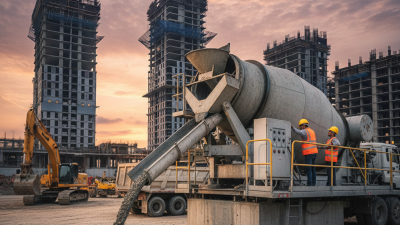
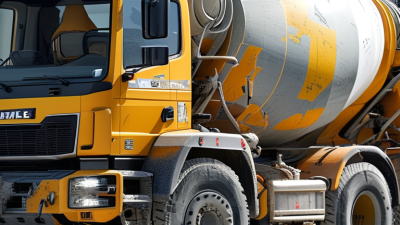
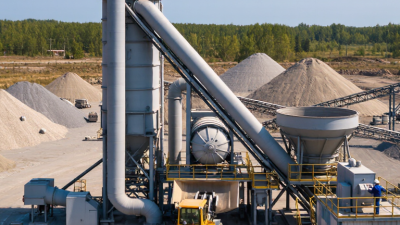
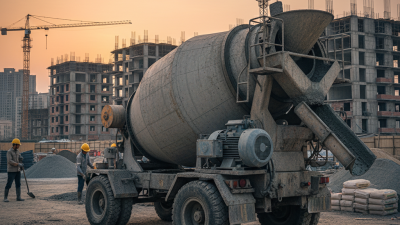
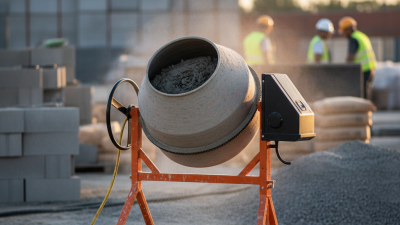
China Best Industrial Concrete Mixer Supplier?
Choosing the right supplier for an industrial concrete mixer can shape daily production, maintenance costs, and delivery schedules. A mixer may look simple on a product sheet, yet its performance depends on more than drum capacity. Consider the materials you handle, batch size, mixing cycle, power supply, and available service support. A machine used for precast components faces different demands from one serving a busy construction site. Details matter.
China has a broad range of mixer manufacturers, from established equipment makers to smaller specialized factories. Comparing them takes careful questions, not just a quick price check. Ask for clear specifications, production photos, inspection records, and practical information about spare parts and after-sales response. If possible, review the mixer under conditions close to your own operation. A smooth demonstration is useful, but it cannot answer every question. Check what is included in the quotation, too: controls, wear parts, installation guidance, and shipping preparation can affect the real cost.
This guide looks at how to assess supplier experience, product quality, customization, and communication before making a decision. It also considers signs that deserve a closer look, such as vague technical details or promises without supporting evidence. No supplier is right for every buyer. The best choice depends on your workload, budget, and expectations for long-term support. Even a careful comparison has limits; factory visits or independent inspections may not be practical for every project. That uncertainty is worth acknowledging.
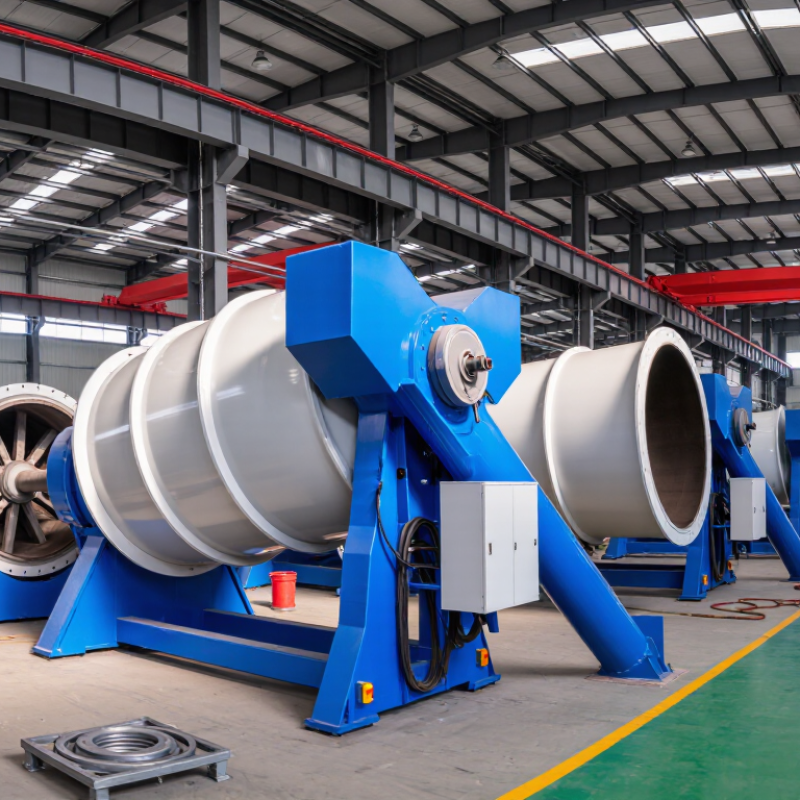
What Is an Industrial Concrete Mixer and How Does It Work?
China Best Industrial Concrete Mixer Supplier?
What Is an Industrial Concrete Mixer and How Does It Work?
An industrial concrete mixer combines cement, water, sand, gravel, and measured admixtures into a workable, uniform mix. The Global Cement and Concrete Association estimates that about 14 billion cubic metres of concrete are produced worldwide each year. That scale makes repeatable batching essential on busy construction sites and at ready-mix plants.
Inside a mixer, rotating blades or paddles lift and fold the ingredients, while shear helps break up dry pockets. Drum mixers tumble materials; twin-shaft and pan mixers use forced action for faster, controlled blending. Operators typically load aggregates and cement, add water and admixtures at measured rates, then mix for a specified cycle before discharge. The actual cycle depends on the equipment and mix design. Small details matter.
A consistent batch is not guaranteed by machine size alone. Moisture in the sand can change the effective water content, and worn blades may leave uneven material near the chamber walls. ASTM C94/C94M provides requirements for ready-mixed concrete, including production and delivery, while plant staff still need to check each mix against its approved design. Slump, batch records, and visual uniformity offer practical checks. A mixer cannot fix inaccurate weighing, and that is easy to overlook during a rushed shift.
Which Types of Industrial Concrete Mixers Are Available in China?
Industrial concrete mixers available in China include twin-shaft, planetary, pan, drum, and continuous designs. Each suits different production needs. A twin-shaft mixer uses two horizontal shafts and is commonly selected for high-output batching plants. Its paddles move material through the mixing zone, helping distribute cement, aggregates, water, and additives evenly. Check the required batch size and discharge time before comparing models.
Planetary mixers use a rotating mixing star and are often chosen for precast products, colored concrete, or mixes needing close control. Pan mixers have a simpler circular mixing chamber and can serve smaller production lines. Drum mixers rotate a tilted or horizontal drum, making them familiar for ready-mix operations. Continuous mixers feed materials steadily rather than in separate batches. Useful for specific workflows.
The right choice depends on the mix design, daily output, aggregate size, and cleaning routine. Ask suppliers for test data using materials similar to yours, not only catalog capacity. Inspect wear parts, access doors, and the discharge system. Small details matter. I would also check whether the proposed motor and controls suit the plant’s operating conditions. One comparison can still mislead: advertised capacity may not reflect usable output with a stiff mix.
How Can Buyers Compare Suppliers, Products, and Certifications?
Choosing an industrial concrete mixer supplier means checking more than drum capacity and price. The US Geological Survey’s Mineral Commodity Summaries 2024 estimates global cement production reached 4.1 billion tonnes in 2023. That scale makes dependable mixing equipment important, but it does not prove any supplier’s performance. Ask for batch capacity, mixing time, motor power, and documented output consistency. Compare figures under the same operating conditions. A “high capacity” claim means little without details.
Inspect the mixer’s actual build. Check welds, blade thickness, gearbox access, and whether wear parts can be replaced without dismantling half the machine. Request a factory acceptance test using a recorded mix recipe. Watch the discharge for residue and uneven material. Small details matter. Compare warranty terms, spare-parts lead times, operator training, and service response in writing. For certifications, verify the certificate’s scope, issuing body, and validity; a quality-management certificate does not certify mixer performance. Standards such as ISO 9001 concern management systems, not a guarantee of uniform concrete. I would still ask for references from similar production sites. Paperwork can look excellent. Real operating records are better, though not always easy to obtain.
What Should Buyers Verify Before Placing an Order?
China Best Industrial Concrete Mixer Supplier?
What Should Buyers Verify Before Placing an Order?
When comparing a China-based industrial concrete mixer supplier, buyers should verify more than price and delivery promises. Ask for the exact model, rated output, mixing cycle, drum thickness, motor power, and discharge height. A “3 m³” label may describe drum volume, not usable batch capacity. That difference affects labor and scheduling.
Request a recent factory video, equipment drawings, and a test report for the quoted configuration. Check whether the mixer can handle your aggregate size, moisture level, voltage, and working temperature. Ask for material certificates for wear plates and shafts. Confirm weld quality, gearbox service intervals, emergency-stop design, and guarding. Have an independent inspector witness a loaded test before shipment. Measure one full cycle. Record noise, vibration, discharge residue, and actual output. Numbers matter more than photographs.
Review the contract line by line. It should state tolerances, spare-parts lists, packaging, installation support, warranty response time, and payment milestones. Confirm who pays for damaged parts and remote troubleshooting. Ask for customer references using similar aggregates, not only large showcase projects. Be careful with unclear answers. I have learned that cheap units often hide costs in spare parts, wiring changes, or delayed support. Still, factory videos can be staged. Verify details twice. A signed inspection record is stronger than a confident sales call.