What Is a Cement Mixer Truck and How Does It Work?
A cement mixer truck is a mobile batching and delivery system, not merely a rotating drum on wheels. It carries cement, aggregates, water, and admixtures to a construction site while continuous mixing helps maintain workable concrete. The global concrete industry produces about 14 billion cubic metres annually, according to the Global Cement and Concrete Association. That enormous volume depends on reliable transport.
Market estimates vary because researchers define “cement mixer truck” differently. Some count only transit mixers. Others include volumetric mixers, pump trucks, and related equipment. This uncertainty deserves attention. Still, reports from Grand View Research and Fortune Business Insights identify construction growth, urbanisation, and infrastructure renewal as major demand drivers.
Inside the drum, spiral blades lift and fold the mixture as the drum rotates. The rotation direction matters. One direction mixes; the reverse direction discharges concrete through the chute. A typical truck may carry several cubic metres, although payload depends on local road limits, axle design, and mix density. Small details matter. A blocked chute can delay an entire pour.
Dr. Kevin J. Folliard, a concrete materials expert at the University of Texas at Austin, has warned, “Fresh concrete is a time-sensitive material; every minute matters.” That principle explains the truck’s real purpose: protecting consistency between the plant and the formwork. ASTM C94 and ACI guidance also stress controlled delivery, discharge timing, and testing. Yet a mixer cannot repair a poorly designed mix or careless site planning. Understanding its limits is as important as understanding its mechanism.
What a Cement Mixer Truck Is and What It Is Designed to Do
A
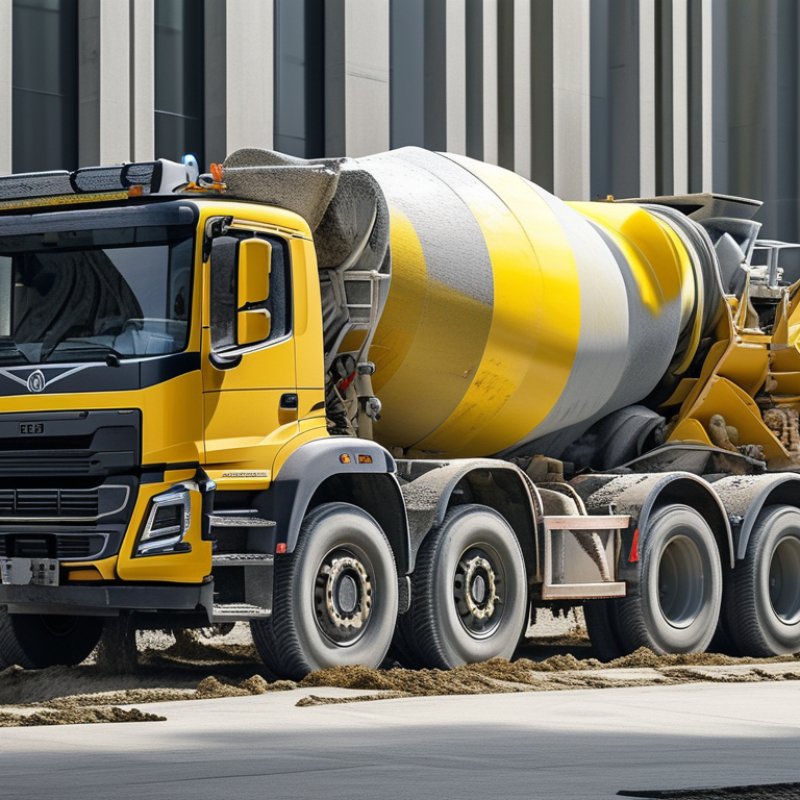
cement mixer truck is a mobile vehicle designed to transport and discharge fresh concrete. Strictly speaking, it carries concrete, not pure cement. Cement acts as the binder, while sand, gravel, and water form the working mixture. Its rotating drum keeps these materials blended during travel. Without steady movement, heavier aggregate can settle and reduce consistency.
Inside the drum, spiral blades lift and fold the concrete as the drum turns. The direction and speed of rotation matter. During transport, the drum usually rotates slowly to maintain workability. At the site, reversing the rotation pushes concrete toward the discharge opening. A chute then guides the mixture into forms, foundations, slabs, or pump equipment. Operators must coordinate closely with site workers. A small timing error can create delays or unwanted material buildup.
The truck is designed for controlled delivery, not unlimited storage. Concrete can stiffen when exposed to heat, wind, or long waiting periods. Water should not be added casually, because it may weaken the finished material. The process is not flawless. Traffic, temperature, and inaccurate batching can affect performance. Regular drum cleaning is also essential, since hardened residue reduces capacity and may damage the blades. In practical work, operators inspect the drum, chute, and hydraulic controls before departure. That simple check can prevent a difficult site problem.
How Raw Materials Become Ready-Mix Concrete
What Is a Cement Mixer Truck and How Does It Work?
Ready-mix concrete begins with carefully measured raw materials. Cement acts as the binding powder, while sand and coarse aggregate create the concrete’s internal structure. Water activates the cement and controls its workability. Small amounts of chemical admixtures may adjust setting time or flow.
At the batching plant, these materials are weighed and combined according to the required mix design. The mixture then enters the truck’s rotating drum. Internal blades lift and fold the concrete during transport, keeping the ingredients distributed. The drum turns slowly on the road, but it rotates faster when mixing is needed. This movement helps prevent settlement and protects consistency before discharge.
Tips:
Check the delivery ticket, mix time, and slump requirements before placement. Watch the drum for unusual separation or excessive water. Extra water may make concrete easier to place, but it can reduce strength and durability. A practical field lesson is simple: timing matters. If the truck waits too long, the concrete may stiffen. If workers rush placement, air pockets or poor finishing can appear. The process is controlled, but never perfectly predictable. Weather, travel distance, and surface temperature can change the result. Record these details during each pour, even when everything seems routine.
How the Mixing Drum Operates During Transport
A cement mixer truck carries fresh concrete while its mixing drum rotates during transport. The drum contains spiral blades that lift and fold the material continuously. This movement helps distribute cement, water, sand, and stone evenly.
The drum usually turns slowly in one direction while the truck travels. Its speed must remain steady, but it may change with the concrete mix, road conditions, and delivery distance. If the drum stops too long, heavier aggregate can settle near the bottom. If it spins too quickly, the mix may heat up or lose consistency. That balance matters. It is easy to underestimate.
When the truck reaches the worksite, the drum reverses direction. The internal blades then push the concrete toward the discharge opening. Operators watch the flow, texture, and timing during this process. A dry-looking mix may signal moisture loss, while uneven discharge can suggest poor mixing or extended waiting. In practical inspections, the drum’s sound and movement often reveal problems before the concrete leaves the chute.
Tips:
Check that the drum rotates throughout the journey. Record loading and arrival times. Keep the discharge area clear and stable. Avoid adding water without professional approval, because it can weaken the designed mixture. Inspect the blades and drum regularly. Small buildup inside the drum can reduce capacity and mixing efficiency. Mistakes happen. Good records make them easier to understand.
How Concrete Is Discharged at the Construction Site
What Is a Cement Mixer Truck and How Does It Work?
A cement mixer truck transports freshly mixed concrete to a construction site. Its rotating drum keeps the mixture moving during travel. This motion helps prevent heavy aggregate from settling at the bottom. The drum turns slowly while driving, then changes direction during discharge.
At the site, the driver positions the truck on firm, level ground. The crew checks the delivery details and observes the concrete’s consistency. They may perform a slump test before placing it. The operator then reverses the drum, pushing concrete toward the rear opening. It flows onto a chute, pump hopper, or waiting formwork. Workers guide the chute carefully to control the pour. Keep it close to the placement area.
Concrete should move continuously when possible. Long pauses can create weak joints or uneven layers. Crews usually place concrete in manageable sections, then vibrate it to remove trapped air. A spotter watches the chute, truck wheels, and nearby workers. Clear hand signals reduce misunderstandings around noisy equipment.
Small problems still happen. A chute may clog, or the truck may arrive before the formwork is ready. Experienced crews stop, inspect the situation, and avoid forcing the discharge. Water should not be added casually, because it can reduce the finished concrete’s strength. In practice, careful timing matters as much as the truck itself. Mistakes are costly.