If you are interested in financing to fund your Bay-Lynx purchase, we recommend that you connect with Easylease Corp., a Canadian-based leasing and finance company that offers premier equipment leasing and financial services. They are focused on making it easier than ever before for companies to overcome cash flow and resource constraints to acquire the assets they need to grow their business.
Leasing through Easylease Corp. can offer several benefits:
Click here for your Canadian instant lease quote >>
For US customers, Click here for your instant lease application >>
A concrete mixer pump is an essential machine in construction. It combines the functions of concrete mixing and pumping into one device. This innovative equipment streamlines the process of delivering concrete to the desired location.
Concrete mixer pumps are designed for efficiency. They reduce labor costs and improve productivity on job sites. The pump transports liquid concrete through hoses, which can reach various heights and distances. This versatility is particularly beneficial in urban areas where space is limited.
Despite its advantages, some operators may struggle with technical issues. Proper maintenance and operator training are crucial. Understanding how to troubleshoot problems is essential for optimal performance. As with any machine, reflection on past experiences will enhance future operation. This awareness fosters a safe and effective working environment.
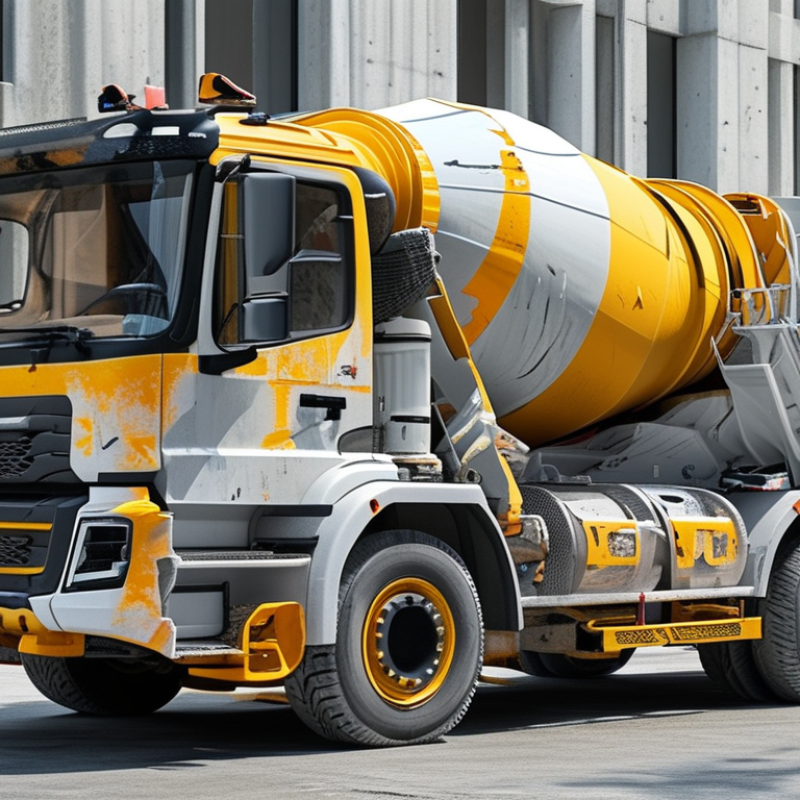
A concrete mixer pump is an essential piece of machinery in the construction industry. This device combines two vital functions: mixing concrete and pumping it to the desired location. It serves both small and large-scale projects. The pump operates by mixing dry materials with water before transferring the wet concrete through a pipeline. This allows for efficient and effective distribution at construction sites.
Understanding the mechanics of a concrete mixer pump is key to its efficient use. The machine typically features a hopper, a mixing drum, and a pump. The operator fills the hopper with aggregates, cement, and water. The mixing drum ensures a thorough blend. Once the mixture reaches the desired consistency, the pump pushes it out through a line. This process varies based on the pump's design and power. Operators may encounter challenges, such as blockages or uneven mixing, which require careful attention. Proper training and experience are crucial for optimal performance.
While concrete mixer pumps offer many benefits, they are not without flaws. Some models may struggle with certain mixtures or face wear and tear over time. Regular maintenance is necessary to prevent issues. We're continually learning how to enhance effectiveness and prevent failures. As the industry evolves, staying informed about advancements can lead to better practices and safer operations.
| Feature | Description | Functionality |
|---|---|---|
| Type | Combination of a concrete mixer and a pump | Mixes and pumps concrete simultaneously |
| Components | Mixer drum, pump, hydraulic system, control panel | Each component works together to perform tasks |
| Capacity | Varies typically from 10 to 40 cubic meters per hour | Determines volume of concrete mixed and pumped |
| Usage | Used in construction sites for quick concrete placement | Enhances efficiency in pouring concrete |
| Advantages | Reduces labor costs, saves time, increases portability | Makes the construction process faster and more efficient |

A concrete mixer pump is essential in construction. It combines mixing and pumping capabilities into one machine, enhancing efficiency on site. Understanding its key components is critical for optimal performance.
The mixer pump comprises several vital parts. The mixer is responsible for blending cement, sand, and aggregates. It typically features a spiral blade design for uniform mixing. The pumping unit moves the mixed concrete through hoses to the required location. Research shows that a high-quality pump can achieve a 30% reduction in labor costs.
Another significant component is the hydraulic system. It powers the entire process and ensures smooth operation. Reliable hydraulic systems enhance overall productivity, allowing for continuous pouring. Reports indicate that up to 70% of downtime in construction projects can be linked to equipment failure. Therefore, regular maintenance is key to maximizing performance. Each component’s functionality contributes to the overall efficiency of the mixer pump, but it requires careful monitoring and timely repairs.
A concrete mixer pump is a versatile piece of equipment used in construction. It combines the functions of mixing and pumping concrete. Understanding how it operates can improve project efficiency. The equipment blends dry concrete materials with water, creating a uniform mixture. This mixture is then transported through hoses to the desired location.
The process begins with the loading of raw materials into the mixing drum. Once inside, an agitator mixes them thoroughly. A hydraulic system pumps the mixed concrete. This method allows for quick delivery to hard-to-reach areas. Operators must ensure the hose is secured during the pumping process. Improper handling can cause splashes or blockages.
Despite its efficiency, challenges do arise. Clogging can occur due to improper mixing ratios or debris. Regular maintenance and monitoring are crucial. This helps prevent breakdowns and ensures smooth operation. Learning from these issues can optimize future uses. Awareness of potential pitfalls enhances overall project success.
This chart represents the concrete output of different mixer pumps in cubic meters per hour (m³/h). Each pump shows a different level of performance, illustrating the efficiency and capacity variations in concrete mixer pumps.
Concrete mixer pumps play a vital role in modern construction. Their combination of mixing and pumping capabilities makes them an essential asset at job sites. According to a report by Research and Markets, the global market for concrete pump trucks is projected to reach $6 billion by 2025. This growth showcases the increasing reliance on efficient construction equipment.
One primary application of concrete mixer pumps is in residential projects. They provide a quick and efficient way to deliver concrete to various locations. This is particularly beneficial in tight spaces where traditional equipment may struggle. Additionally, mixer pumps are frequently used in commercial construction. As urban areas expand, the demand for reliable concrete delivery increases. Industry reports suggest that the rise in infrastructure development is driving this trend.
Challenges also exist, however. Not all concrete mixer pumps are suited for every job. Some projects require specific types of pumps to meet engineering standards. Engineers must consider pump capacity, project scale, and concrete type. Misjudging these factors can lead to delays or increased costs. As construction continues to evolve, understanding the right applications for these machines remains critical for optimal productivity.
Concrete mixer pumps have gained popularity in construction for good reason. They efficiently combine mixing and pumping in one compact machine. This innovation streamlines the process of transporting concrete to hard-to-reach areas, significantly reducing labor costs and time on site. According to a report by Global Market Insights, the concrete pump market is expected to grow at a rate of approximately 6% annually, driven by increased urbanization and infrastructural projects.
Using a concrete mixer pump offers many benefits. The ability to deliver fresh concrete directly from the mixer to the point of use minimizes waste and increases efficiency. Research indicates that this method can reduce concrete delivery time by up to 50%. Moreover, these pumps are designed to work in various terrains, making them versatile for different job sites. However, operators need proper training to handle the equipment safely, as mismanagement may lead to operational setbacks.
There are also environmental advantages. By reducing the number of trucks on site, emissions associated with transportation decrease. Some studies suggest that using mixer pumps can lower carbon footprints by around 30% compared to traditional methods. Yet, challenges remain. Maintenance of the machinery and ensuring the right mix consistency are crucial aspects requiring careful attention.