What Is a Cement Lorry and How Does It Work?
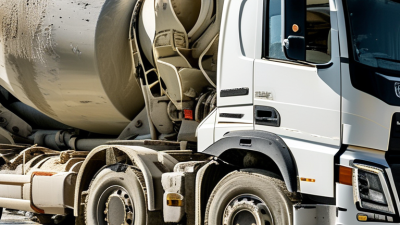
A cement lorry is a familiar sight on construction roads, carrying a rotating drum behind the cab. However, the term is slightly imprecise. In everyday speech, it often means a ready-mix concrete truck, not a vehicle carrying dry cement powder. That distinction matters because cement is only one ingredient in concrete, alongside aggregates, water, and chemical admixtures.
The industry’s scale explains its importance. The Global Cement and Concrete Association reports that concrete is the world’s most widely used construction material, with roughly 14 billion cubic metres produced annually. The International Energy Agency also identifies cement as a major industrial source of carbon dioxide emissions. Every delivery therefore involves practical pressure: accurate batching, controlled timing, and reduced material waste. A typical cement lorry receives a measured mix at a batching plant. Its steel drum rotates continuously, using internal blades to keep the concrete workable and reduce segregation. The driver then positions the vehicle near the pour, lowers the chute, and controls discharge into formwork, a pump, or a placing machine.
It is a simple process, but not a careless one. The American Concrete Institute stresses that fresh concrete quality depends on transport, placement, and testing. Delays, excessive water, or poor drum maintenance can damage performance before the concrete reaches the slab. The lorry also carries real safety risks, including blind spots, moving chutes, and unstable ground. This guide explains the main components, operating stages, and limitations of a cement lorry. Some descriptions may vary by country and truck design. That is worth remembering.
Definition and Main Parts of a Cement Lorry
What Is a Cement Lorry and How Does It Work?
A cement lorry is a road vehicle designed to move dry cement powder in bulk. It is not a mixer. A mixer lorry carries wet concrete, while a cement lorry carries powdered material to a batching plant or construction site. The distinction matters because cement becomes difficult to handle after moisture enters the tank. The Global Cement and Concrete Association’s 2050 Roadmap reports that the industry supports about 14 billion cubic metres of concrete production each year. Reliable bulk transport is therefore a practical link between cement plants and job sites.
The main parts include the tractor unit, a sealed tanker, an air compressor, aeration pads, discharge pipes, valves, filters, and pressure-relief devices. The tanker usually has several internal chambers or sloped sections. During unloading, compressed air passes through porous pads and loosens the powder. Air does the lifting. Cement then flows through the discharge line into a silo. Filters control dust, while relief valves protect the vessel from excessive pressure. The International Energy Agency states that cement production creates about 7% of global energy-related and process CO2 emissions. Efficient delivery can reduce repeated handling, although transport is only one part of the environmental picture.
In daily operation, small details matter. A worn seal may draw in moisture. A blocked filter can slow unloading. Operators should check pressure gauges, hose connections, valves, and tank cleanliness before departure. The boundary between “cement lorry” and “powder tanker” is not always consistent across countries. That wording can confuse new operators. Field practice is often less tidy than diagrams suggest.
How the Drum Mixes Concrete During Transport
What Is a Cement Lorry and How Does It Work?
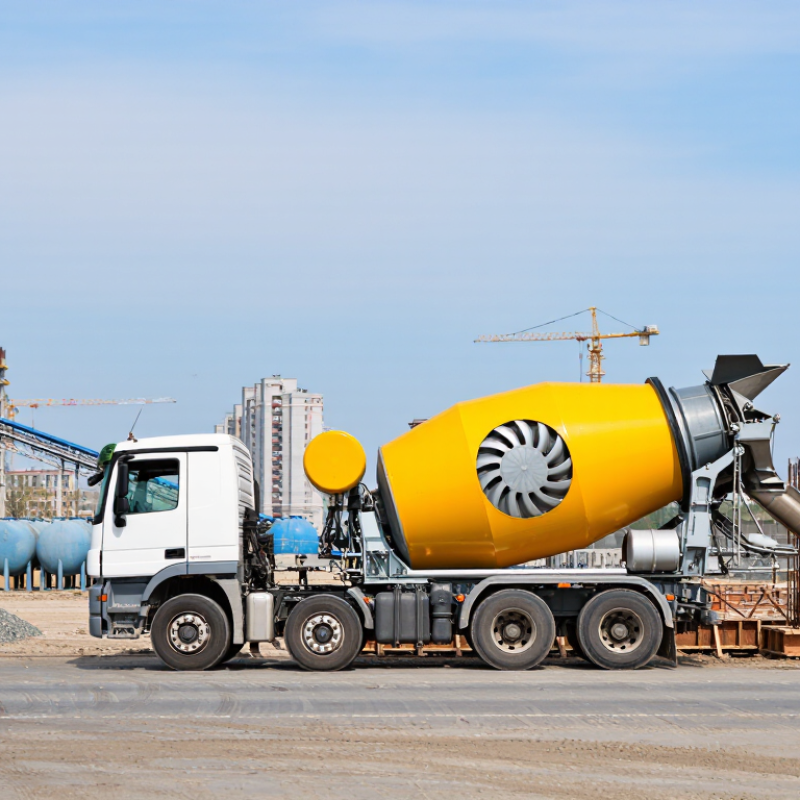
A cement lorry, often called a concrete mixer truck, carries fresh concrete from a batching plant to a construction site. Its large drum rotates throughout the journey. This movement keeps cement, sand, stone, and water distributed instead of allowing heavy particles to settle.
Inside the drum, spiral blades lift and fold the mixture as the drum turns. The rotation speed and direction matter. During transport, the drum usually turns slowly to maintain a workable mix. At the site, reversing the rotation pushes concrete toward the rear opening for discharge. The driver adjusts the drum controls while watching the delivery area carefully.
The process begins with accurate batching. Too much water can weaken concrete, while too little can make placement difficult. Temperature, travel distance, and traffic also affect consistency. Experienced operators check the load before discharge and follow the required slump procedure. A small sample may reveal whether the mix remains suitable for the planned work.
The drum is not a magic repair system. It cannot restore concrete that has already begun setting. I have seen how delays create pressure, especially on warm days. Cleaning the drum after delivery is equally important because hardened residue reduces capacity and changes the drum’s balance. Even a short transport needs timing, inspection, and practical judgment.
How Concrete Is Delivered at the Construction Site
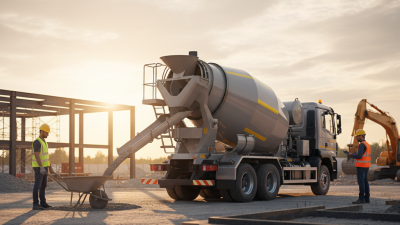
A cement lorry, often called a concrete mixer truck, delivers fresh concrete directly to a construction site. It carries a rotating drum that keeps cement, aggregates, water, and admixtures blended during transport. The drum turns slowly on the road, then reverses near the work area. This action pushes the concrete toward the discharge chute.
Delivery depends on careful timing. Fresh concrete can lose workability as temperatures rise or delays increase. When the lorry arrives, site workers check the delivery details and inspect the concrete’s consistency. They may perform a slump test before placing it into formwork, pumps, or foundations. The driver positions the chute carefully, avoiding workers, barriers, and unstable ground. Small access problems can create serious delays. Even well-planned deliveries sometimes need adjustment.
Tips: Keep the access route clear and strong enough for a heavy vehicle. Confirm the required volume before loading begins. Prepare tools, workers, and formwork before the lorry arrives. Do not add water casually, because it can weaken the designed mix. Watch the discharge continuously. A blocked chute or uneven pour may cause cold joints and poor surfaces. After delivery, clean equipment only in an approved washout area. Site conditions change quickly, so the delivery plan should remain flexible.
Safety, Maintenance, and Common Uses of Cement Lorries
A cement lorry, commonly called a concrete mixer truck, carries fresh concrete from a batching plant to a construction site. Its rotating drum keeps cement, aggregates, water, and admixtures blended during transport. The Global Cement and Concrete Association estimates that around 14 billion cubic metres of concrete are produced globally each year. That scale makes reliable lorry operation essential for housing, bridges, roads, and industrial floors.
Safety begins with controlled movement. Drivers should check mirrors, reversing alarms, brakes, tyres, lights, and access routes before loading. Wet concrete is strongly alkaline, so operators need gloves, eye protection, boots, and suitable washing facilities. The rotating drum and discharge chute also create crushing hazards. Never stand beneath a raised chute. Blind spots remain a serious weakness, even with cameras and trained banksmen. Small oversights matter.
Maintenance should follow the manufacturer’s service schedule and site records. Inspect drum blades, hydraulic lines, water tanks, discharge gates, and the power take-off system. Remove hardened concrete before it reduces drum capacity or affects balance. The U.S. Geological Survey reported global cement production near 4.1 billion tonnes in 2023, showing the heavy workload placed on transport equipment. Yet production volume is not a maintenance plan. A rushed washout can hide cracks, leaks, or worn controls. Experienced teams recheck these points, although no checklist is perfect. Cement lorries also support precast delivery, foundation pours, tunnel work, and emergency repairs where timing controls concrete quality.