Top Cement Lorry Manufacturers and Prices Worldwide
Choosing a cement lorry involves more than comparing purchase prices. Capacity, mixer design, chassis strength, fuel use, and service support can change the total cost significantly. Buyers may see similar vehicles online, yet their performance can differ sharply on steep roads, congested sites, and long delivery routes.
Dr. Peter C. Taylor, a respected concrete materials specialist, has stated, “Concrete quality is a process, not a final inspection.” This principle also applies to transport. A well-maintained cement lorry protects mix consistency from the batching plant to the worksite. Drum speed, discharge control, water exposure, and cleaning discipline all matter.
This guide examines leading cement lorry manufacturers, typical prices, key specifications, and regional buying conditions worldwide. It considers established brands, emerging suppliers, new vehicles, and used-market options. Prices remain indicative because currency rates, taxes, freight, configuration, and after-sales packages vary.
Real operating details matter.
A 10-cubic-meter truck may suit major urban projects, while smaller sites may need a lighter six-cubic-meter model. Buyers should also inspect warranty terms, spare-part availability, axle limits, and local technician coverage. A low advertised price can become expensive when parts arrive slowly.
Our comparison cannot remove every uncertainty. Some manufacturer data is incomplete, and dealer quotations may change without notice. Therefore, readers should verify specifications, request written quotations, and inspect service records before purchasing. A cement lorry is a working asset, not merely a catalogue number.
What Is a Cement Lorry and How Does It Work?
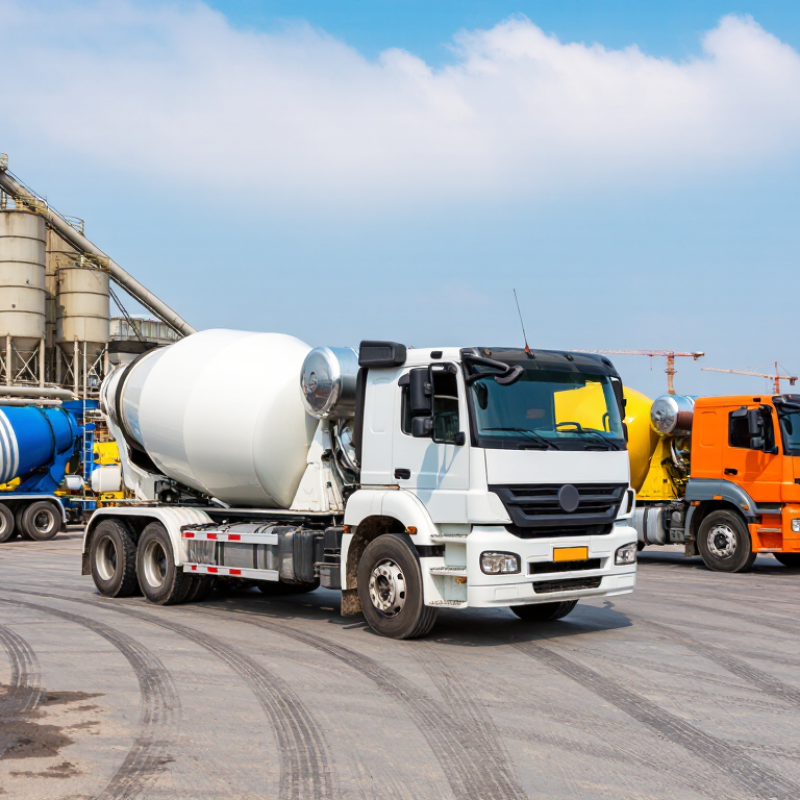
A cement lorry is a heavy vehicle designed to transport cement or freshly mixed concrete. The term can describe two main types: a mixer truck and a bulk cement tanker. A mixer truck carries wet concrete to construction sites. A tanker delivers dry cement powder to silos. They look similar from a distance, but their systems work differently.
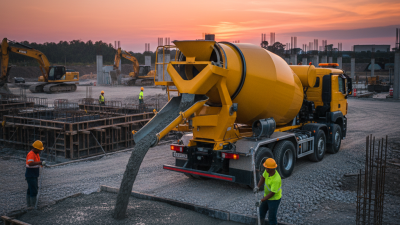
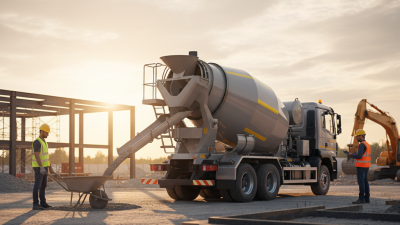
A mixer lorry uses a rotating steel drum with spiral blades inside. The drum turns slowly during travel, keeping cement, water, sand, and stone evenly blended. At the site, it reverses direction and pushes the concrete through the discharge opening. Timing matters. Concrete can lose workability when delivery takes too long, especially in hot weather. Operators check the drum speed, mixture condition, water level, and delivery route before departure. Not just transport.
A bulk cement lorry uses sealed tanks and compressed air. Air pressure moves powder through pipes into a storage silo. Filters control dust, while valves regulate the flow. The driver must monitor pressure carefully because blocked lines can stop unloading. In practice, the process is less perfect than many brochures suggest. Traffic, temperature, moisture, and poor maintenance can affect performance. Even a small leak around a valve may create waste and unsafe working conditions. Regular inspections of tires, brakes, hydraulic parts, drums, tanks, and safety controls help keep the vehicle reliable. Some details still require judgment, not just a checklist.
Top Cement Lorry Manufacturers and Prices Worldwide - What Is a Cement Lorry and How Does It Work?
| Vehicle category |
Typical application |
Nominal capacity |
Typical payload |
Common configuration |
Typical engine output |
Indicative new-vehicle price |
| Small rigid cement lorry |
Urban construction sites, narrow roads and short delivery routes |
4–6 m³ |
8–14 tonnes |
4×2 or 6×2 |
150–250 hp |
US$45,000–95,000 |
| Standard transit mixer lorry |
General ready-mix concrete delivery for commercial and residential projects |
7–10 m³ |
16–25 tonnes |
6×4 or 8×4 |
250–400 hp |
US$85,000–180,000 |
| High-capacity mixer lorry |
Large infrastructure, bridges, foundations and high-volume pours |
10–14 m³ |
24–35 tonnes |
8×4 or 10×4 |
350–500 hp |
US$140,000–280,000 |
| Self-loading mixer lorry |
Remote locations, small batches and sites without a separate batching plant |
1.5–6 m³ |
4–14 tonnes |
4×4 or 6×4 |
70–180 hp |
US$55,000–150,000 |
| Truck-mounted cement powder tanker |
Bulk transport of dry cement, fly ash, lime and other powdered materials |
20–40 m³ tank |
20–35 tonnes |
6×4, 8×4 or tractor-trailer |
250–500 hp |
US$90,000–220,000 |
| Market region |
Common mixer size |
Typical new price range |
Typical used price range |
Main price factors |
| North America |
8–12 m³ |
US$150,000–300,000 |
US$35,000–150,000 |
Emission certification, chassis specification, drum condition and local delivery requirements |
| Western and Northern Europe |
7–11 m³ |
US$160,000–320,000 |
US$45,000–170,000 |
Strict emissions rules, safety equipment, low-entry chassis and urban weight limits |
| East and Southeast Asia |
6–12 m³ |
US$70,000–190,000 |
US$25,000–105,000 |
Local content, export configuration, engine standard, steel grade and after-sales support |
| Middle East |
8–12 m³ |
US$90,000–220,000 |
US$30,000–120,000 |
High-temperature packages, cooling systems, dust protection and heavy-duty suspension |
| Africa |
6–10 m³ |
US$75,000–190,000 |
US$25,000–100,000 |
Road conditions, import duties, drivetrain durability, parts availability and financing |
| Latin America |
7–10 m³ |
US$95,000–230,000 |
US$30,000–125,000 |
Tax structure, road regulations, currency exchange, drum volume and service network |
How a cement lorry works:
A transit mixer carries fresh concrete in a rotating steel drum. Spiral blades inside the drum continuously mix the concrete during transport, usually at a slow agitation speed, and reverse rotation at the destination pushes the concrete out through the discharge chute. A cement powder tanker works differently: a sealed tank stores dry powder, while a compressor creates air pressure to convey the material through a discharge hose.
Price ranges are indicative international market estimates for new and used units and may exclude freight, taxes, registration, customization and financing costs. Actual prices vary by capacity, chassis, emissions standard, operating equipment, currency and after-sales package.
Key Types, Configurations, and Performance Features
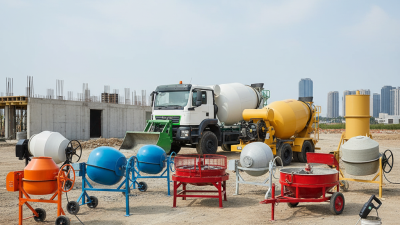
Choosing a cement lorry starts with its working route, not its advertised drum size. The GCCA’s 2050 Roadmap reports roughly 14 billion cubic metres of concrete used worldwide each year. That scale demands reliable delivery, accurate batching, and fast discharge. A 6–8 m³ mixer suits urban projects and narrow roads. Larger 9–12 m³ drums improve output but increase turning radius, axle stress, and fuel use. Small jobs need agility.
Common configurations include 4x2, 6x4, and 8x4 chassis. A 6x4 layout often balances traction, payload, and maintenance. An 8x4 carries more concrete, yet local axle limits can reduce its real advantage. Drum speed, hydraulic cooling, chute reach, water-meter accuracy, and washout access deserve close inspection.
The IEA’s 2023 cement analysis identifies cement production as responsible for about 7% of global energy-related CO2 emissions, so fuel efficiency matters beyond operating cost. Lightweight frames and low-resistance tyres can help, but their benefits depend on road conditions.
Indicative international listings place new mixer lorries near USD 80,000–180,000, while used units may range from USD 25,000–90,000. These figures vary sharply with capacity, emissions equipment, duties, and service support. Prices are not universal benchmarks. A cheaper truck can become expensive when drum liners, hydraulic pumps, or tyres fail. I would compare total operating cost over five years, not only the purchase invoice. That comparison is often neglected.
Leading Cement Lorry Manufacturers by Global Region
Top Cement Lorry Manufacturers and Prices Worldwide
Leading Cement Lorry Manufacturers by Global Region
Regional demand strongly influences cement lorry design, availability, and pricing. The 2024 USGS Mineral Commodity Summaries estimates global cement production at about 4.1 billion metric tons in 2023. Asia remains the largest production center, so manufacturers there often offer high-volume mixers, reinforced chassis, and simplified maintenance. European producers usually focus on lower-emission systems and advanced safety controls. North American suppliers commonly build larger units for long-distance projects, while Latin American, Middle Eastern, and African manufacturers prioritize durable vehicles for heat, dust, and uneven roads.
Pricing varies widely. A basic new cement lorry may cost approximately US$70,000 to US$150,000, while larger or customized units can exceed US$200,000. Used vehicles cost less, but maintenance history matters. The IEA’s cement-sector analysis highlights efficiency and emissions reduction as major industry priorities. This is influencing electric auxiliaries, lighter drums, and improved fuel management. However, a perfect global ranking is misleading. Local taxes, import duties, road limits, and service access can change the real purchase cost.
Tips: Compare total ownership cost, not only the quoted price. Check drum capacity, discharge speed, axle limits, warranty coverage, and spare-parts availability. Ask for regional fuel-consumption data. A cheaper lorry may become expensive after repeated hydraulic repairs. Buyer assumptions can also be wrong, especially when comparing specifications from different regions.
Worldwide Cement Lorry Prices and Main Cost Factors
Top Cement Lorry Manufacturers and Prices Worldwide
Worldwide Cement Lorry Prices and Main Cost Factors
Worldwide cement lorry prices vary widely by capacity, equipment, and local manufacturing costs. A new 20–30 tonne bulk cement lorry commonly costs between USD 45,000 and USD 140,000. Used units may sell for USD 18,000 to USD 75,000, depending on age and maintenance records. These figures are practical market ranges, not fixed quotations.
Tank volume strongly affects the price. A larger aluminium or steel tank requires more material, stronger suspension, and higher transport costs. Pneumatic unloading systems also add expense. A reliable compressor, moisture control system, and pressure gauges can increase the purchase price, but they reduce unloading delays at construction sites. Buyers should inspect welds, valves, air lines, tyres, and tank corrosion before accepting a quotation.
Regional costs can be surprising. Import duties, shipping distance, currency changes, and after-sales support may add 10% to 35% to the final amount. Local road rules can also require different axle layouts or braking equipment. A low-priced lorry is not always economical. Sometimes, spare parts are difficult to source. That mistake becomes expensive.
Fuel consumption deserves attention.
A lighter tank may reduce daily operating costs, while poor compressor efficiency increases fuel use. Maintenance records matter more than polished paint. During price comparisons, request the chassis specification, payload certificate, warranty terms, delivery time, and complete unloading configuration in writing. Expect some uncertainty. Market quotations change quickly.
How to Compare Models and Choose the Right Manufacturer
Top Cement Lorry Manufacturers and Prices Worldwide
How to Compare Models and Choose the Right Manufacturer
Comparing cement lorries requires more than checking the advertised price. Examine tank capacity, discharge speed, axle design, and loading height. A 10-cubic-metre model may suit urban projects, while larger tanks can reduce trips on open roads. However, extra capacity increases fuel use and turning difficulty. Review the chassis warranty, mixer construction, pump performance, and local parts availability. Prices vary widely because of steel quality, engine specifications, import duties, and after-sales support. Ask for a complete quotation, including delivery, training, taxes, and maintenance tools.
Tips: Request service records from similar fleets. Inspect welds, valves, hoses, and tire wear. Confirm the model meets local road limits and required safety standards. A short test drive with a loaded tank reveals vibration, braking response, and visibility problems. Do not rely only on brochures.
Manufacturer selection should include a factory audit or independent inspection. Check production experience, quality-control documents, technician coverage, and average spare-part delivery times. Speak with operators who use similar equipment in comparable climates. Their comments often reveal issues hidden during demonstrations. I have learned that the cheapest lorry can become expensive when a small valve failure stops a project for several days. Still, premium pricing does not guarantee perfect reliability. Compare measurable evidence, not impressive promises. Consider resale value, financing terms, fuel consumption, and cleaning access before signing an order. A model that is easy to wash may prevent hardened cement buildup and reduce future repair work.