If you are interested in financing to fund your Bay-Lynx purchase, we recommend that you connect with Easylease Corp., a Canadian-based leasing and finance company that offers premier equipment leasing and financial services. They are focused on making it easier than ever before for companies to overcome cash flow and resource constraints to acquire the assets they need to grow their business.
Leasing through Easylease Corp. can offer several benefits:
Click here for your Canadian instant lease quote >>
For US customers, Click here for your instant lease application >>
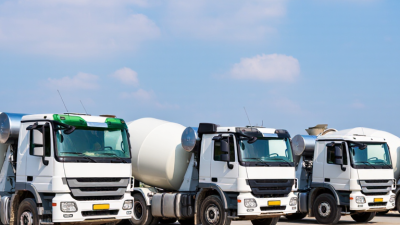
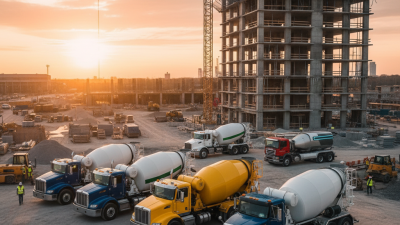
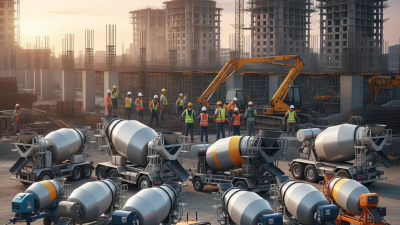
Choosing the best concrete mixer truck in 2026 is not a simple matter of selecting the newest model. Fleet owners must match the truck to delivery distance, batch volume, road conditions, maintenance support, and daily loading demands. A high-capacity mixer may reduce trips, yet it can struggle on narrow urban streets. A compact unit may move easily through crowded projects, but it can limit output. The best choice depends on the worksite.
Colin Lobo, Senior Vice President of Engineering at the National Ready Mixed Concrete Association, offers a useful industry perspective: “Concrete quality depends on controlling the entire process, from batching through delivery and placement.” That principle applies directly to vehicle selection. Drum speed, mixing consistency, discharge control, chassis strength, fuel use, and washout access all deserve close attention. Electric and hybrid options also look promising, especially for urban fleets facing noise and emissions concerns. However, charging time and regional service coverage remain practical questions. The technology is not perfect yet.
This guide compares the leading concrete mixer truck types expected to shape the 2026 market. It examines transit mixers, volumetric mixers, compact mixers, and specialty configurations. Real operating details matter. Think steep ramps, sticky concrete, winter starts, and long queues at busy sites. A truck that performs well in a brochure may disappoint under pressure. That assumption can fail. Buyers should review payload limits, warranty terms, parts availability, operator feedback, and total ownership costs before committing. The right truck is not always the largest or most advanced. It is the one that delivers consistent concrete, safely and profitably, across the fleet’s actual working conditions.
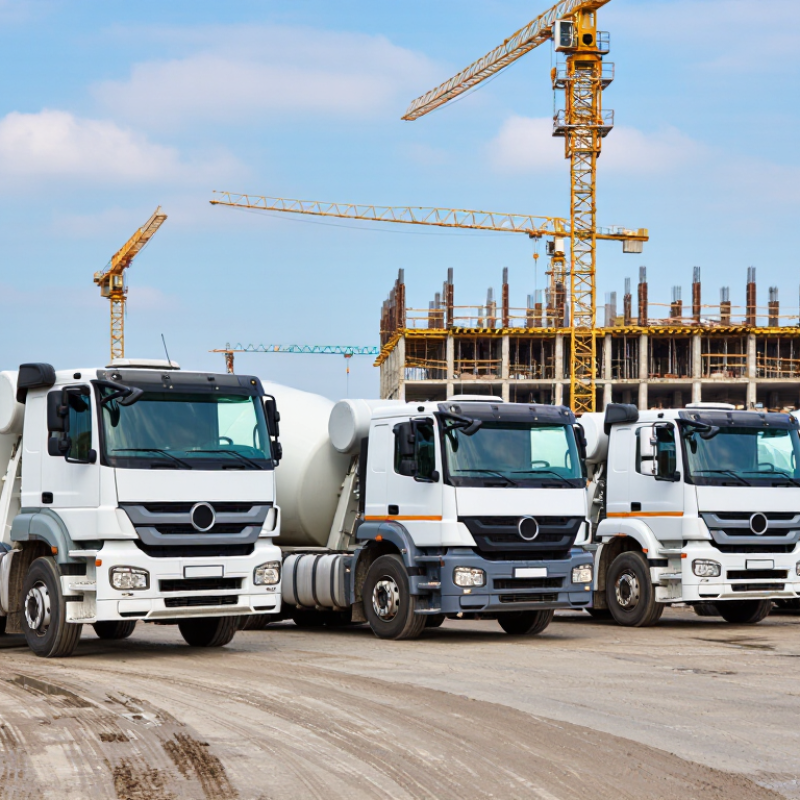
What Is the Best Concrete Mixer Truck Type in 2026?
Concrete mixer truck types serve different production and delivery conditions. The standard transit mixer carries central-batched concrete to the site. Its rotating drum helps reduce early setting during transport. It suits large projects with reliable batching plants and scheduled deliveries. The Global Cement and Concrete Association reports that the industry produces about 14 billion cubic metres of concrete annually. That scale makes delivery consistency essential.
Volumetric mixers store cement, aggregates, water, and admixtures separately. They mix concrete on demand, reducing waste from cancelled pours or changing quantities. However, operators need accurate calibration and more technical control. Self-loading mixers combine loading, mixing, and discharge functions. They work well on remote sites, narrow roads, and smaller projects. Their output is usually lower than large transit units. Mini mixers offer easier access but sacrifice capacity. No type wins everywhere.
Tips: Match the truck to distance, pour size, access, and daily volume. Check drum capacity and discharge speed. Review local maintenance support before purchasing. The GCCA also identifies concrete as a major global emissions source, with cement contributing roughly seven percent of human-made carbon dioxide emissions. Therefore, reducing rejected loads matters. In practice, one overlooked detail is site timing. A high-capacity truck can still underperform when traffic, pumping delays, or poor crew coordination interrupt the pour. Metrics should include usable output, not just drum size.
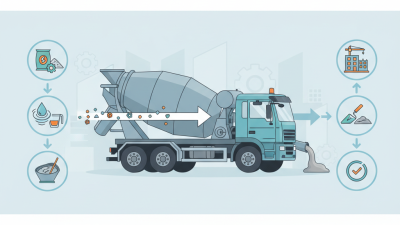
Concrete mixer truck selection depends mainly on required batch capacity, job-site access, and whether concrete must be produced on demand. The chart compares typical nominal capacities for common mixer truck types.
Key difference: Standard transit mixers are suited to most ready-mix deliveries, heavy-duty mixers provide higher volume for large projects, mini mixers work better on restricted sites, and volumetric or self-loading mixers offer greater flexibility by batching or mixing concrete at the job site. Actual capacity varies by vehicle configuration and local regulations.
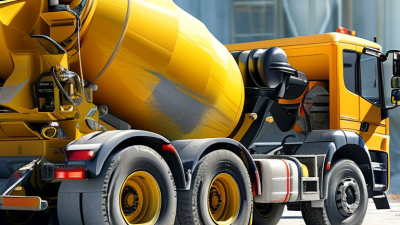
In 2026, the best concrete mixer truck depends on distance, volume, and site access. A drum mixer remains practical for most ready-mix deliveries. Its rotating barrel keeps fresh concrete moving during travel. Inside the drum, spiral blades lift and fold the mixture continuously. This action reduces settling before discharge. Simple physics.
At the plant, measured cement, aggregates, water, and approved admixtures enter the drum or loading hopper. The operator checks the batch ticket and moisture data before leaving. A hydraulic motor turns the drum at a controlled speed. During transport, the drum usually rotates slowly in the mixing direction. On site, it reverses and pushes concrete through the discharge chutes. The crew adjusts chute sections to reach forms, slabs, or pump hoppers. Too much water can weaken concrete, so field dilution needs strict control.
Modern trucks add load cells, drum-speed sensors, GPS records, and maintenance alerts. These tools help verify timing and reduce rejected loads, but sensors still need calibration. Battery-electric and hybrid mixers can reduce idling noise near urban projects. However, payload, charging access, and route length remain serious constraints. Field experience shows that the best truck matches the pour, not the newest technology. A narrow site may need a compact mixer. A long pour may favor a larger drum and dependable discharge rate. Small mistakes still matter. Crews should inspect blades, chutes, water tanks, and emergency stops before loading.
| Concrete Mixer Truck Type | How It Works | Typical Nominal Capacity | Best Application | Key Advantages | Main Limitations | 2026 Selection Guidance |
|---|---|---|---|---|---|---|
| Standard Rear-Discharge Transit Mixer | A rotating drum continuously agitates the concrete during transport. Internal helical blades keep the mix uniform and reverse rotation during discharge. | Approximately 6–12 m³ (7.8–15.7 yd³), depending on vehicle configuration and legal payload limits. | General building construction, foundations, slabs, roads, and large scheduled pours. | Widely compatible with ready-mix supply systems; good mixing consistency; suitable for long-distance delivery when slump and setting time are properly managed. | Requires a prepared access route and a separate placing method such as a pump, chute, or crane bucket. Load size is limited by payload regulations. | Best all-round option for most conventional construction projects. |
| Front-Discharge Mixer | The drum mixes concrete in the same basic way as a transit mixer, but the discharge chute is positioned at the front of the vehicle and controlled from the cab area. | Approximately 7–12 m³ (9.2–15.7 yd³). | Projects with restricted positioning space, narrow access, or frequent repositioning requirements. | Improved operator visibility during placement; can often discharge without reversing; may reduce the need for additional chute-handling personnel. | Typically has a higher purchase and maintenance cost than a basic rear-discharge configuration. Front access and steering clearance must be checked. | Best when placement accuracy and site maneuverability are more important than the lowest equipment cost. |
| Volumetric or Mobile Batching Mixer | Separate cement, aggregates, water, and admixtures are stored in onboard compartments and proportioned at the jobsite. The concrete is mixed as materials are conveyed into the mixing chamber. | Material storage commonly supports several cubic metres of concrete per refill; actual output varies with material compartments and configuration. | Small or variable-volume jobs, remote locations, repair work, and projects requiring different mix designs on demand. | Can produce only the quantity required; reduces leftover concrete; supports mix changes at the site; useful where ready-mix delivery is difficult. | Requires accurate calibration and trained operation. Production rate and aggregate storage are lower than those of a large centralized batching plant. | Best for flexible production, uncertain quantities, and remote work rather than very large continuous pours. |
| Mini or Compact Mixer Truck | A smaller rotating drum transports and agitates a reduced concrete load, using the same basic drum-mixing principle as a full-size transit mixer. | Approximately 2–6 m³ (2.6–7.8 yd³). | Residential construction, repair work, urban sites, lanes, basements, and locations with strict weight or access restrictions. | Better maneuverability; lower axle loading; easier access to confined sites; can reduce the amount of concrete left over on small jobs. | More trips may be required for large pours. Operating cost per cubic metre can be higher when transport distance and loading time are significant. | Best for small-volume work and restricted-access sites. |
| Agitator Truck for Central-Plant Concrete | The drum primarily keeps centrally mixed concrete in motion during transport. It helps prevent segregation and premature stiffening but is not intended to replace the plant mixing cycle. | Approximately 6–12 m³ (7.8–15.7 yd³). | High-output projects supplied by a central batching plant with short, coordinated delivery cycles. | Supports consistent plant-controlled batching; efficient for repeated deliveries; suitable for coordinated pump or placement operations. | Delivery timing is critical. Delays, traffic, excessive water addition, or prolonged agitation can affect workability and concrete quality. | Best when a reliable batching plant and tightly managed delivery schedule are available. |
| Electric or Low-Emission Mixer Truck | The drum and auxiliary systems are powered partly or entirely by electric motors, batteries, or an external charging system instead of relying solely on a conventional engine-driven mixer system. | Commonly comparable to the base vehicle configuration; capacity is still governed by chassis payload and local regulations. | Urban projects, tunnels, enclosed sites, night work, and locations with strict noise or emission requirements. | Lower local exhaust emissions and noise; may improve suitability for indoor or densely populated work zones; regenerative systems can reduce auxiliary energy use. | Range, charging time, payload impact, charging infrastructure, and site duty cycle must be evaluated. Availability varies by market. | Best where emissions, noise, or access restrictions justify the additional planning and infrastructure. |
| High-Capacity Heavy-Duty Mixer | A reinforced chassis and large drum transport and agitate a higher concrete load while maintaining the drum’s mixing or agitation function. | Often above 12 m³ (15.7 yd³), subject to axle limits, road regulations, and vehicle tare weight. | Large infrastructure pours, long continuous placements, and projects with suitable roads and high-volume demand. | Fewer deliveries for large pours; can improve delivery continuity when loading, traffic, and placing operations are well coordinated. | May exceed local axle or gross-weight limits when fully loaded. Requires stronger access roads, larger turning areas, and compatible batching equipment. | Best for high-volume projects only when legal payload, site access, and plant capacity are confirmed. |
The best mixer truck type depends on your site, concrete volume, and delivery distance. A transit mixer suits steady pours from a central batching plant. Its rotating drum helps maintain uniformity during road travel. For smaller projects, a compact mixer can enter narrow streets and crowded building sites. Measure gate width, turning space, and ground strength before selecting equipment. A truck that looks efficient on paper may fail beside a tight foundation.
Volumetric mixers offer flexible production at the jobsite. They can adjust mix quantities when plans change or waste becomes a concern. However, operators need accurate calibration and regular checks of cement, aggregate, water, and admixture compartments. Small errors can affect strength and workability. That detail is easy to overlook. Self-loading mixers may reduce handling delays on remote projects, but their output may not match large commercial pours.
Fuel use, maintenance access, drum capacity, and operator skill also influence the decision. Ask how many cubic meters the crew places each hour, not only the truck’s maximum rating. Check discharge height and chute reach against the formwork. In my field observations, delivery timing often matters more than headline capacity. Weather, traffic, and waiting time can change the result. No checklist is perfect. Review actual pour records after each project and adjust the next equipment choice.
Choosing the best mixer truck depends on the job, not only the drum size. Standard transit mixers often carry 8 to 12 cubic meters of concrete. They suit highways, foundations, and large commercial pours. Their rotating drums keep concrete workable during transport. However, narrow streets and soft ground can limit their usefulness.
Smaller mixer trucks improve mobility on residential sites and restricted urban roads. A compact chassis turns more easily and places less pressure on finished surfaces. The trade-off is clear: fewer cubic meters per trip can increase delivery frequency. Volumetric mixers offer another option. They store cement, aggregate, water, and additives separately, then mix concrete on site. This reduces waste when exact quantities change. It also demands careful calibration and trained operators.
Efficiency now includes fuel use, idle time, cleaning, and scheduling accuracy. A well-maintained diesel mixer may still perform reliably on long-distance routes. Electric or hybrid systems can reduce noise and local emissions, but charging access remains a practical concern. Drum speed, discharge time, tire condition, and hydraulic performance deserve regular inspection. Small defects become expensive delays. In my assessment, the ideal truck balances payload with access conditions. A large truck may appear efficient on paper, yet a smaller unit can finish the pour faster on a crowded site. This judgment is not perfect. Weather, traffic, mix design, and operator skill can change the result.
The best concrete mixer truck depends on distance, site access, batch control, and daily pour volume. A standard transit mixer suits large construction sites and ready-mix deliveries. Its rotating drum helps maintain consistency during long urban routes. Check the drum capacity against the project schedule, not only the advertised maximum load. Overloading can affect braking, tire wear, and concrete quality.
For remote repairs, small foundations, or narrow residential streets, a compact mixer is often more practical. It can enter tighter spaces and reduce reversing risks near walls. A self-loading mixer works well where batching facilities are unavailable. Operators can load aggregates, add cement and water, then mix on location. This saves waiting time, but production speed may be lower than a dedicated fleet.
Volumetric mixers are useful for variable pours, such as roads, slabs, and repair work. They store ingredients separately and produce concrete as needed. This can reduce waste when the required volume is uncertain. However, accurate calibration demands disciplined maintenance and trained operators. I would not choose one solely for flexibility. Moisture changes in aggregates can disturb the mix if checks are rushed. On real sites, a simple transit mixer may still perform better when supply is nearby, access is clear, and the crew values predictable output.