Financing

If you are interested in financing to fund your Bay-Lynx purchase, we recommend that you connect with Easylease Corp., a Canadian-based leasing and finance company that offers premier equipment leasing and financial services. They are focused on making it easier than ever before for companies to overcome cash flow and resource constraints to acquire the assets they need to grow their business.

Leasing through Easylease Corp. can offer several benefits:

  • Conserve Cash Leasing
  • 100% Financing
  • No Pre-Payment of Taxes
  • Preserve Lines of Credit
  • Potential Income Tax Benefits
  • Pay as You Profit
  • Match Revenue with Expenditures
  • Simple, Convenient Process
  • Tailored Payments

Click here for your Canadian instant lease quote >>

For US customers, Click here for your instant lease application >>

2026 Top Volumetric Concrete Suppliers for Global Buyers

Global construction buyers need more than a long supplier list. They need dependable concrete, verified production capacity, and delivery plans that survive difficult site conditions. This 2026 guide examines leading volumetric concrete suppliers serving international projects, from highway repairs in remote regions to dense urban foundations. It considers mixer technology, material accuracy, service coverage, sustainability practices, and after-sales support.

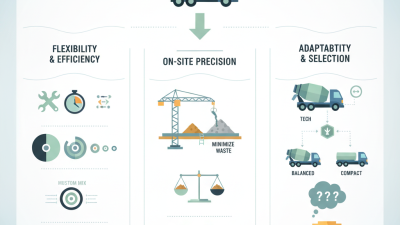
Connor Deering, a recognized leader at Cemen Tech, describes the model clearly: “A volumetric mixer is a mobile batch plant.” That idea matters. Ingredients remain separated until mixing begins, allowing crews to produce fresh concrete close to the pour. Less waste can follow. Faster adjustments are possible.

But equipment alone does not guarantee performance. Buyers should check calibration records, aggregate storage, water metering, operator training, and regional spare-parts access. A polished website proves little. Site references matter more.

This guide also considers practical risks. International shipping can delay specialized components. Local aggregates may change mix behavior. Climate, road access, and customs procedures can affect delivery schedules. Some suppliers communicate these limits openly; others do not.

That difference deserves attention.

The rankings are not absolute. A supplier suited to a large infrastructure contract may be excessive for small repair work. Pricing can also shift with fuel costs, cement availability, exchange rates, and local regulations. These imperfections require careful review.

For global buyers, the strongest choice combines measurable quality with honest communication. Volumetric concrete works best when technology, materials, people, and planning remain closely connected.
2026 Top Volumetric Concrete Suppliers for Global Buyers

What Volumetric Concrete Suppliers Do and Why They Matter

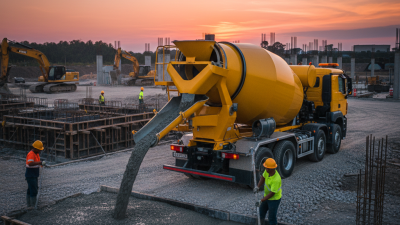
Volumetric concrete suppliers provide mobile batching systems that mix concrete at the construction site. Their trucks carry separate compartments for cement, aggregates, water, and admixtures. A calibrated mixer measures each material before production begins. This allows crews to produce only the volume required for a pour.

Their work extends beyond delivering equipment. Experienced suppliers help buyers select mixer capacity, pumping options, control systems, and spare parts. They may also train operators to adjust water content when aggregate moisture changes. On a busy site, this knowledge can protect slump, strength, and placement speed. Small errors matter.

Quality depends on disciplined procedures. Suppliers should provide batch records, calibration guidance, material specifications, and clear maintenance schedules. Buyers should ask how technicians handle worn augers, blocked lines, or inaccurate sensors. These problems are not rare. A good supplier responds with practical support, not vague promises.

Volumetric systems matter because they reduce waste and improve scheduling flexibility. Remote projects can produce fresh concrete without waiting for repeated deliveries from a central plant. This is useful for road repairs, foundations, and smaller structural pours. However, the method is not automatic. Poor mix design, weak operator training, or inconsistent aggregates can reduce performance. Global buyers should verify local standards, service coverage, and documentation before purchasing. Sometimes, the cheapest machine becomes the most expensive decision.


2026 Top Volumetric Concrete Suppliers for Global Buyers

What Volumetric Concrete Suppliers Do and Why They Matter

Why this matters: Volumetric concrete suppliers measure and mix cement, aggregates, water, and admixtures on site. Markets with higher cement consumption generally require more flexible concrete logistics, accurate batching, and reliable access to fresh material.

Data shown are estimated cement production volumes for 2023, a practical indicator of the scale of concrete-related supply requirements. Source: U.S. Geological Survey, Mineral Commodity Summaries 2024, Cement.

How to Evaluate Volumetric Concrete Suppliers in 2026

2026 Top Volumetric Concrete Suppliers for Global Buyers

How to Evaluate Volumetric Concrete Suppliers in 2026

Evaluating volumetric concrete suppliers in 2026 requires field evidence, not attractive machinery photos. Start with production accuracy. Ask for recent batch tickets, calibration records, approved mix designs, and independent test results. The supplier should show slump, air content, temperature, and 28-day strength data. These records reveal more than promised hourly output. ACI guidance supports documented testing and controlled batching for reliable concrete performance.

Climate performance also needs measurable proof. The International Energy Agency reported about 2.4 gigatonnes of cement-related CO2 emissions in 2022, nearly 7% of global emissions. Request fuel consumption per cubic metre, cement content, recycled-water practices, and waste records. A volumetric unit may reduce unused concrete, but poor scheduling can erase that advantage. Check delivery radius, backup equipment, spare parts, and operator training. One overlooked breakdown can delay an entire pour.

Tips: Visit a live pour before signing. Compare three recent projects. Call project engineers, not only sales staff. Ask what failed last season. Honest answers matter. Also verify local standards, insurance, worker training, and digital batch traceability. Supplier websites often look precise. They are not always precise. That is worth remembering.

Top Volumetric Concrete Suppliers for Global Buyers

Global buyers need more than a low quotation when choosing volumetric concrete suppliers. They need steady quality, clear documentation, and dependable site support. A reliable supplier uses mobile batching equipment to produce concrete near the pour location. This method can reduce waste and improve scheduling on remote or changing projects. However, results depend on accurate weighing, clean materials, and trained operators. Ask for batch records, material certificates, and recent project references. Practical evidence matters.

During supplier evaluation, confirm the available mix designs, production capacity, and delivery range. Check whether the supplier can adjust water content for local weather and aggregate conditions. Calibration records should be current and easy to review. Experienced teams can explain slump control, curing needs, and testing procedures without hiding behind technical language. They should also provide realistic lead times. No supplier is perfect. A delayed pour or inconsistent mix can still happen, so response plans deserve careful attention.

Tips: Request a trial batch before large orders. Compare test results, not only prices. Clarify who handles on-site quality checks and rejected loads. Inspect equipment photos, but do not rely on photos alone. Ask direct questions about maintenance, spare parts, and operator training. A useful supplier will welcome reasonable verification. Sometimes buyers focus too heavily on production volume. That can overlook communication quality, which often determines whether a global project stays on track.

Regional Standards, Delivery Capacity, and Export Readiness

Global buyers should assess volumetric concrete suppliers through regional standards, delivery capacity, and export readiness. A strong supplier understands that concrete requirements vary between markets. Mix designs may follow ASTM, EN, BS, or local specifications. Local engineering review remains essential.

Ask for recent test reports, calibration records, and batch traceability. These documents show more than polished sales claims. Check whether the supplier can adjust cement content, aggregate grading, and water ratios for local conditions. Coastal humidity and winter temperatures can change performance. Small details matter.

Delivery capacity is equally practical. Confirm mixer output per hour, fleet size, service areas, and backup vehicles. A supplier promising twenty loads may struggle with traffic, equipment failure, or restricted site access. I have seen schedules fail because unloading space was never measured. That mistake is easy to avoid.

Export readiness requires careful paperwork. Buyers should verify commercial invoices, packing lists, certificates of origin, equipment specifications, and maintenance instructions. Customs clearance may also require translated documents or local conformity evidence. Remote technical support is valuable when a mixer arrives before the installation team. However, shipping time, spare parts, and operator training are sometimes underestimated. A supplier may be technically capable but still unprepared for cross-border delivery.

Pricing, Contracts, and Due Diligence for International Buyers

2026 Top Volumetric Concrete Suppliers for Global Buyers

International buyers should compare delivered concrete costs, not advertised cubic-meter prices. Request a written breakdown covering materials, loading, transport, pumping, fuel adjustments, taxes, and waiting time. A low quotation may exclude port handling or remote-site access. Ask for pricing validity, currency, payment milestones, and the adjustment formula for cement or fuel changes. Keep the assumptions visible.

Contracts need practical protection. Specify concrete grade, slump range, delivery windows, testing methods, rejected-load procedures, and responsibility for delays. Include clear Incoterms, insurance duties, dispute resolution, and governing law. For cross-border projects, confirm whether local permits or import documentation affect delivery. A small wording gap can become an expensive argument. Short clauses are safer.

Due diligence should examine more than a polished website. Request recent test reports, production capacity, calibration records, safety documents, financial references, and evidence of similar export projects. Verify the legal entity, bank details, manufacturing address, and authorized signatory independently. A video call is useful, but it proves little alone. Visit the plant when the project value justifies it. No checklist catches every problem. Buyers should also test the supplier’s response to bad news, such as a delayed shipment or failed batch. That reaction often reveals more than sales promises. Pricing models remain imperfect, especially where fuel and exchange rates move quickly. Recheck them before signing.