
Financing

If you are interested in financing to fund your Bay-Lynx purchase, we recommend that you connect with Easylease Corp., a Canadian-based leasing and finance company that offers premier equipment leasing and financial services. They are focused on making it easier than ever before for companies to overcome cash flow and resource constraints to acquire the assets they need to grow their business.

Leasing through Easylease Corp. can offer several benefits:

  • Conserve Cash Leasing
  • 100% Financing
  • No Pre-Payment of Taxes
  • Preserve Lines of Credit
  • Potential Income Tax Benefits
  • Pay as You Profit
  • Match Revenue with Expenditures
  • Simple, Convenient Process
  • Tailored Payments

Click here for your Canadian instant lease quote >>

For US customers, Click here for your instant lease application >>

Why Choose a Side Tipper Truck for Your Business?

Choosing the right hauling equipment can shape project margins, delivery speed, and daily safety. A Side Tipper Truck deserves attention because it unloads material quickly beside the vehicle, reducing unnecessary reversing and positioning.

Market reports show strong demand, but their figures are not identical. Grand View Research estimates the global dump truck market reached approximately USD 55.1 billion in 2023. It also projects a 7.4% compound annual growth rate from 2024 to 2030. IMARC Group reports a different market value and forecast. These differences reflect varying definitions, regions, and vehicle categories. That matters.

A Side Tipper Truck can be useful on road construction, quarry, mining, and bulk-material projects. Picture a truck beside a narrow work zone, tipping aggregate without turning across active traffic. The practical gain may be measured in minutes. Over hundreds of cycles, minutes become operating capacity.

Chris Sleight, managing director of Off-Highway Research, has emphasized a simple industry reality: “Construction equipment demand is strongly influenced by infrastructure investment.” His point applies directly here. Buying decisions should match local workloads, material density, road conditions, and maintenance support.

The choice is not automatically correct.

Operators should compare payload, hydraulic performance, body durability, fuel consumption, tyre costs, and cycle times. Real operating records are more persuasive than attractive brochures. A lower purchase price may hide higher downtime. Conversely, advanced equipment may not justify its cost on irregular projects. Careful evaluation remains essential.
Why Choose a Side Tipper Truck for Your Business?

What Is a Side Tipper Truck and How Does It Work?

Why Choose a Side Tipper Truck for Your Business?

What Is a Side Tipper Truck and How Does It Work?

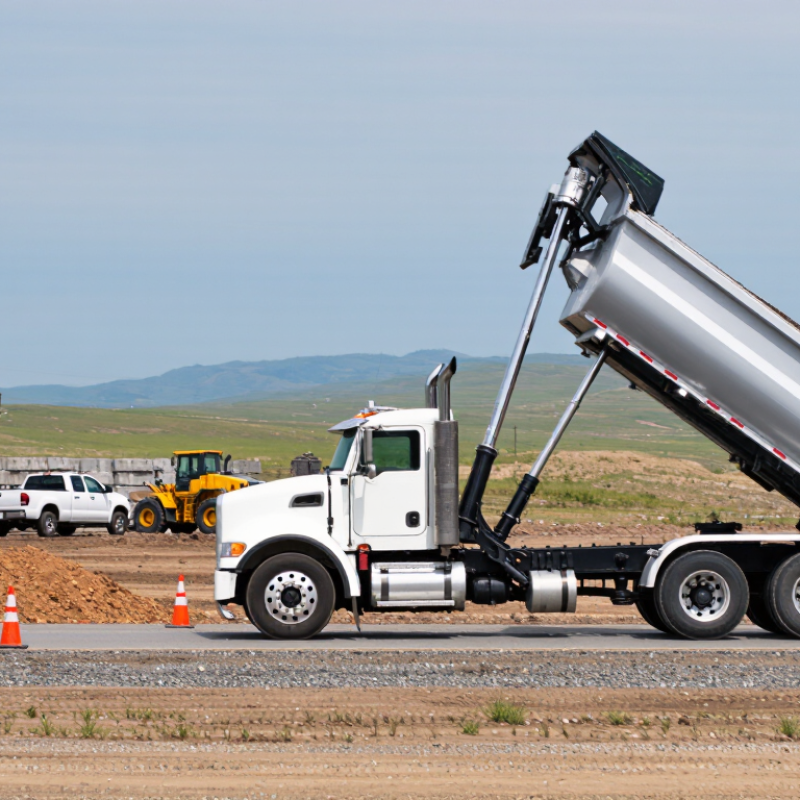
A side tipper truck carries loose materials and unloads them through a lateral tipping movement. Unlike a rear tipper, it raises the cargo body sideways. A hydraulic cylinder, powered through the truck’s hydraulic system, pushes the body upward. Hinges on one side guide the movement. Gravity then helps sand, gravel, soil, or agricultural materials slide out. The driver controls the lifting sequence from the cab. The body returns to its frame after unloading.

This design can work well where rear space is limited. It may unload beside a road, loading bay, or narrow work area. In daily operations, stable ground matters greatly. An uneven surface can shift the center of gravity during tipping. Load weight must also stay within the vehicle’s rated capacity. Overloading is not just inefficient. It can strain the hydraulic system, tires, frame, and brakes. The system sounds simple, but small mistakes can become expensive.

Tips: Inspect hydraulic hoses, hinges, and locking points before each shift. Keep the load balanced and avoid sudden steering while the body is raised. Check the site for overhead cables, soft ground, and nearby workers. Operators should follow practical training and the vehicle manufacturer’s instructions. A short unloading cycle saves time, but rushing inspections is a poor trade. Even experienced drivers can miss a damaged fitting on a dusty morning.

Why Choose a Side Tipper Truck?

A side tipper truck unloads by hydraulically tilting its body to the left or right, allowing material to be discharged quickly where rear unloading space is limited. The chart shows representative payload capacities for common side tipper truck classes.

Key point: Heavy-duty side tippers can carry substantially more material, while light and medium models offer better maneuverability for construction, agricultural, and urban applications. Actual payload depends on body design, chassis configuration, road regulations, and material density.

Key Business Benefits of Using a Side Tipper Truck

Why Choose a Side Tipper Truck for Your Business?

A side tipper truck can improve daily material handling on construction, mining, and agricultural sites. Its lateral unloading action spreads material beside the vehicle, reducing reversing and repositioning time. This matters on narrow roads or uneven ground.

A 2024 report from the American Transportation Research Institute recorded average trucking costs of $2.26 per mile in 2023. Faster unloading can help control labor, fuel, and idle-time expenses. The saving is not automatic. Poor route planning can remove much of the advantage.

Side tipping also supports smoother site operations. Operators can unload along a trench, stockpile, or road edge with better visibility. The design may reduce dependence on extra loaders for small drops. Still, load distribution requires attention. An uneven load can affect stability, especially on soft ground.

Industry safety guidance from occupational transport authorities stresses level surfaces, clear exclusion zones, and trained operators. These details protect people and equipment. They also protect uptime, which is often overlooked.

Tips: Compare cycle times before and after purchase. Record loading, travel, unloading, and waiting minutes. Check hydraulic maintenance costs every month. Choose a body size that matches your usual material, not your biggest occasional load. Test the truck on your actual site. A spreadsheet may look perfect. Mud often disagrees.

Industries and Jobs Best Suited to Side Tipper Trucks

Why Choose a Side Tipper Truck for Your Business?

Side tipper trucks suit jobs moving large volumes of loose material over short and medium distances. Quarry operators can use them for crushed stone, sand, and aggregate. The U.S. Geological Survey reported about 1.9 billion metric tons of crushed stone and 960 million metric tons of construction sand and gravel produced in the United States during 2023. These figures show why fast unloading matters on busy quarry and roadwork sites.

Road contractors often use side tippers for embankments, drainage layers, and asphalt base materials. The load can discharge beside the truck, reducing reversing near barriers or narrow work zones. Farming operations may also benefit when transporting grain, soil, compost, or animal feed between fields and storage areas. The FAO’s 2023 statistical review recorded global cereal production above 3 billion tonnes, reflecting the scale of seasonal bulk transport.

Mining and civil engineering teams need careful site assessment. Uneven ground can make side unloading unsafe. Clearance may also be limited near power lines, trees, or temporary structures. So does timing. A truck that unloads quickly may still lose productivity through poor loading plans or long queues. In my experience, operators sometimes focus too much on body capacity and overlook axle limits, moisture, and material flow. That assumption can fail. Choosing a side tipper should follow the actual route, payload, ground conditions, and daily cycle time.

How to Choose the Right Side Tipper Truck for Your Needs

Why Choose a Side Tipper Truck for Your Business?

Choosing the right side tipper truck starts with your actual materials, routes, and loading habits. FHWA’s Freight Analysis Framework projects U.S. freight tonnage to increase from about 20.7 billion tons in 2022 to 28.7 billion tons by 2050. That growth may increase demand for faster unloading equipment.

Do not choose by body volume alone. A 20-cubic-meter body carrying aggregate at 1.6 tonnes per cubic meter holds roughly 32 tonnes. That load may exceed the truck’s permitted payload, depending on its GVWR, axle layout, and local rules. Check the manufacturer’s payload chart, then confirm axle limits with a certified weighbridge. Material density changes daily. Moist soil can surprise you. Side clearance also matters on narrow construction sites. Review tipping angle, hydraulic cycle time, ground stability, and cab visibility before purchase. These details affect productivity and safety more than a large-looking body.

Tips: Record ten typical loads before deciding. Compare actual scale tickets with fuel use and unloading time. Select a reinforced body for rock, but avoid unnecessary steel weight for lighter materials. A fleet manager should also inspect the hydraulic system, frame joints, and tire condition during a supervised demonstration. I would not rely on brochure capacity alone; real site conditions often expose the gap between rated performance and practical performance.

Why Choose a Side Tipper Truck for Your Business? - How to Choose the Right Side Tipper Truck for Your Needs

Selection Dimension Typical Options or Range Best Fit for Business Needs Key Advantages Important Checks Before Purchase
Primary Application Construction materials, mining, quarrying, agriculture, infrastructure work, or waste handling Improves loading efficiency and reduces unnecessary unloading movement Confirm the material density, average load cycle, road conditions, and unloading location
Rated Payload Approximately 10–30 tonnes for common medium- and heavy-duty configurations Supports higher productivity while helping control the number of trips Do not select capacity only by maximum volume; payload must match axle limits and material density
Body Volume Approximately 12–35 cubic metres, depending on payload and body design Use a larger body for low-density materials and a smaller body for dense aggregates Provides flexibility for sand, gravel, soil, coal, grain, and similar bulk materials Calculate volume using the material’s bulk density to avoid underloading or overloading
Side-Unloading Direction Left side, right side, dual side, or three-way side tipping Allows unloading where rear tipping is restricted or unsafe Check clearance from walls, barriers, overhead structures, and adjacent traffic lanes
Operating Terrain Paved roads, mixed roads, construction sites, quarries, mines, or off-road areas Choose a road-oriented configuration for highway work and a reinforced configuration for rough terrain Improves traction, stability, and service life in demanding conditions Review ground clearance, suspension, axle configuration, tire type, and approach angle
Axle Configuration Common layouts include 4x2, 6x4, 8x4, and other regional configurations Balances traction, load distribution, maneuverability, and operating cost Verify permitted axle weights and turning requirements in the operating region
Hydraulic Tipping System Single-cylinder or multi-cylinder hydraulic systems with different lifting capacities Use a system rated for the body length, payload, and tipping frequency Provides controlled and efficient unloading at suitable side angles Check cylinder protection, hydraulic pressure, hose routing, maintenance access, and cycle time
Side-Tipping Angle Typically around 35–50 degrees, depending on body design and hydraulic equipment Choose an angle that allows the material to flow freely without excessive vehicle lean Helps discharge sticky or compacted bulk materials more effectively The truck must be parked on stable, sufficiently level ground during tipping
Body Material and Floor High-strength steel, wear-resistant steel, or reinforced structural steel Use wear-resistant construction for rock and abrasive aggregates; lighter construction for general cargo Extends body service life and can reduce downtime caused by abrasion damage Compare plate thickness, reinforcement layout, corrosion protection, and repair availability
Loading Compatibility Compatible with wheel loaders, excavators, conveyors, or manual loading operations Reduces loading time and minimizes the risk of impact damage Check sideboard height, top-opening clearance, loading reach, and recommended bucket size
Safety Equipment Hydraulic locks, body-position sensors, stability controls, warning alarms, and reflective markings Prioritize safety features for congested construction sites and frequent tipping operations Helps reduce accidental movement, unsafe tipping, and operator errors Confirm compliance with applicable vehicle, workplace, and road-safety requirements
Cab and Operator Visibility Standard cab, extended cab, enhanced visibility package, or camera-assisted configuration Choose improved visibility for crowded yards, urban projects, and reversing-intensive work Supports safer maneuvering and more comfortable long-shift operation Evaluate mirror coverage, camera placement, seat adjustment, controls, and blind spots
Fuel and Operating Efficiency Influenced by payload, engine output, route gradient, tire selection, and idle time Can lower fuel consumption and improve cost per delivered tonne Estimate fuel cost using actual cycle distance, load factor, waiting time, and maintenance needs
Legal and Regulatory Compliance Vehicle dimensions, axle load, emissions, lighting, braking, and tipping-safety requirements Choose a configuration certified for the country or region where it will operate Reduces registration delays, fines, route restrictions, and operational interruptions Verify local regulations before finalizing payload, dimensions, and axle configuration
Maintenance and Serviceability Service intervals, spare-parts access, hydraulic inspection points, and body repair requirements Select a design that can be inspected and repaired by available technicians Reduces downtime and supports predictable operating costs Review maintenance schedules, warranty coverage, common wear parts, and technical support access
Total Cost of Ownership Purchase price plus fuel, tires, maintenance, insurance, financing, downtime, and resale value Provides a more accurate view of long-term profitability Use expected annual mileage, average payload, utilization rate, and service costs in the calculation

Note: Specifications are typical planning ranges for side tipper trucks. Actual payload, body volume, dimensions, tipping angle, and legal limits vary according to vehicle configuration, material density, and regional regulations.

Operating Costs, Maintenance, and Safety Considerations

A side tipper truck can reduce unloading time on busy construction sites. Its lateral discharge also suits narrow roads and uneven stockpiles. However, productivity depends on hydraulic cycle time and operator skill. A poorly planned route can erase those gains quickly. The 2024 American Transportation Research Institute report placed average trucking costs near $2.26 per vehicle mile in 2023. Repair and maintenance represented roughly $0.20 per mile. These figures show why payload planning matters more than headline purchase price.

Maintenance begins with the tipping body, hydraulic cylinders, hoses, and pivot points. Daily inspections should check leaks, cracked welds, uneven tyre wear, and loose tailgate hardware. Dusty aggregate can damage seals faster than expected. I have seen small hydraulic leaks become expensive downtime. Preventive servicing remains cheaper than emergency recovery, although service intervals vary with material and site conditions. Keep maintenance records with mileage, load type, and replaced components.

Safety requires stable ground, controlled loading, and clear exclusion zones. The Federal Motor Carrier Safety Administration links rollover risk with speed, road geometry, and shifting loads. A side tipper can unload beside obstacles, but its raised body still changes the vehicle’s centre of gravity. Operators need practical training, not only a signed checklist. The U.S. Bureau of Labor Statistics reported 1,075 fatal work injuries involving heavy and tractor-trailer truck drivers in 2023. That number should influence site rules, visibility checks, and reversing procedures. Even experienced drivers misjudge overhead cables.