What is a Volumetric Mixer Truck and How Does It Work?
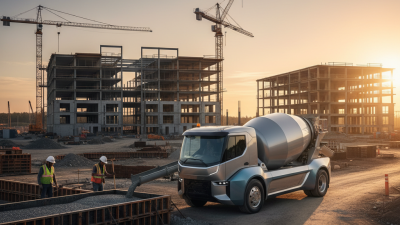
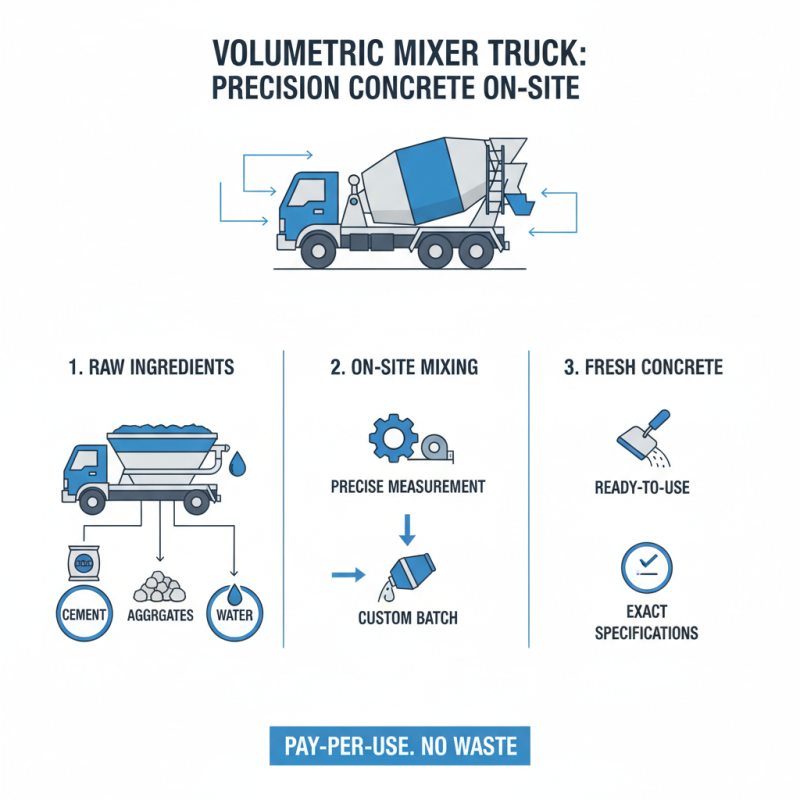
A volumetric mixer truck is a revolutionary tool in the construction industry. This equipment combines raw materials on-site, ensuring fresh concrete every time. Industry expert John Smith once said, "Volumetric mixer trucks change how we think about concrete delivery." These trucks offer remarkable flexibility and efficiency.
The volumetric mixer truck has a unique design. It features separate compartments for cement, aggregate, and water. As needed, these materials blend instantly. This innovation reduces waste and meets specific project requirements efficiently. Many contractors appreciate this adaptability, but not every user fully grasps the technology. Misunderstandings can lead to improper usage, which hinders project outcomes.
Understanding the volumetric mixer truck requires attention to detail. Training and experience are crucial for operators. While the concept is straightforward, executing it flawlessly is where challenges arise. A lack of familiarity with the mixer could result in wasted resources. Users must engage with the equipment to maximize its potential for their projects.
What is a Volumetric Mixer Truck?
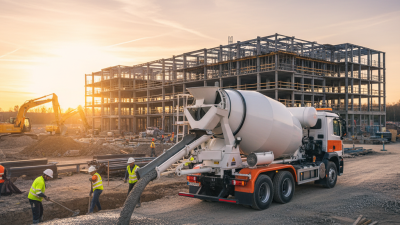
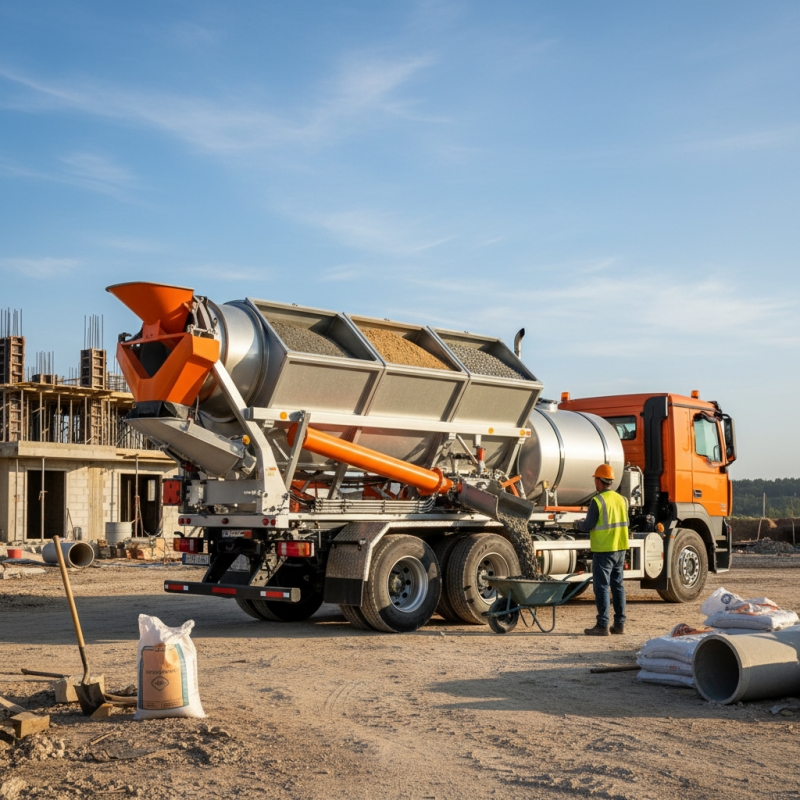
A volumetric mixer truck is a specialized vehicle designed to mix concrete on-site. It can produce different types of concrete, tailored to specific project needs. The truck carries separate components: dry materials, water, and additives. These components are stored in compartments, ensuring freshness until it’s time to mix.
As the truck arrives at the job site, the operator selects the required mix design. Then, the ingredients are mixed in the truck’s on-board mixer, creating the desired concrete consistency. This process allows for flexibility, particularly when project specifications change unexpectedly. However, it also requires operators to have a deep understanding of mixing ratios and material properties, which can be challenging.
The volumetric mixer reduces waste and improves efficiency. Yet, it can face difficulties in achieving uniformity, especially with larger batches. Sometimes, variations in ingredient quality can affect the final product. Attention to detail is crucial in ensuring high-quality concrete. Without proper care, the outcome may not meet expectations.
Key Components of a Volumetric Mixer Truck
Volumetric mixer trucks are essential for concrete delivery. They mix concrete on-site, ensuring freshness and consistency. Understanding their key components helps in maximizing their potential.
One crucial part is the mixer itself. It features a rotating drum that blends dry materials with water. This process shapes the final product's quality. Another component is the material storage compartments. They hold cement, aggregates, and water separately. This allows for precise control over the mixing ratios.
The control system plays a vital role too. Operators use it to set mix designs and monitor the process. A well-functioning control system ensures accurate recipe adherence. However, not every operator is fully trained. This can lead to mix inconsistencies. Additionally, maintenance is often overlooked. Regular checks are necessary for the truck's performance and longevity. Understanding these components helps users make better decisions when using volumetric mixer trucks.
How Volumetric Mixer Trucks Operate
Volumetric mixer trucks are a unique blend of concrete mixing and transport. Their operation centers around precise measurement. This ensures that every batch of concrete meets exact specifications. The truck carries the raw ingredients: cement, aggregates, and water. Each component has its own storage area within the truck.
When the truck arrives on site, it begins mixing the concrete on-demand. This is where the magic happens. Each ingredient is measured and combined in real-time. The operator can adjust the ratios if needed. This flexibility can lead to variations in mix designs, which may not always yield the best results. Sometimes, the mix might not be perfect, leading to issues in the final product’s strength.
Efficiency is a notable feature of these trucks. They minimize waste by creating just the right amount of concrete. However, operating them requires a trained hand. Mixing at the wrong speed or in the wrong proportions can affect consistency. It's important to maintain clarity in operation to avoid mistakes. Understanding these nuances can lead to better outcomes in construction projects.
Advantages of Using Volumetric Mixer Trucks
Volumetric mixer trucks offer significant advantages for concrete delivery and mixing. These trucks combine various materials directly at the job site. This ensures fresh concrete is delivered right when needed. The precise control of material ratios allows for customized concrete mixes, meeting specific project requirements.
Another key benefit is reduced waste. Traditional methods often result in excess material that must be disposed of. With volumetric mixers, only the required amount is mixed. This not only saves money but also minimizes environmental impact. However, not every job may require precision mixing on-site. Some projects might benefit from pre-mixed concrete delivered in standard amounts. This could lead to slower installations if site conditions change.
Time efficiency also stands out. The ability to mix concrete on-site reduces waiting times. Workers can dedicate their efforts elsewhere while the mixer prepares the material. Yet, one might need to consider the truck's space and maneuverability on tight sites. Balancing between efficiency and site constraints can be challenging.
Common Applications for Volumetric Mixer Trucks
Volumetric mixer trucks are versatile tools in the construction industry. They mix concrete on-site, offering flexibility for various applications. These trucks can produce concrete in small to medium batches, making them ideal for diverse projects. They are particularly useful for residential developments, road construction, and repair works. According to a recent industry report, on-site mixing can reduce waste by up to 30%. This not only saves money but also promotes sustainable practices.
One common application is for small-scale projects, such as driveways and patios. Here, volumetric mixers provide precise measurements. This accuracy ensures the right mix, preventing delays. Additionally, they are valuable in remote locations where traditional batching plants may not be accessible. The ability to customize the concrete mix on-site addresses specific requirements. However, it's essential to manage the mixer’s operational time, as delays can impact project timelines.
Another growing application is in emergency repairs. Sometimes, road surfaces or structures require immediate attention. Volumetric mixer trucks can deliver fresh concrete quickly, minimizing downtime. This speed is crucial in urban areas where traffic disruption must be limited. However, operators must ensure proper maintenance to prevent mechanical failures. In areas with frequent weather changes, the effectiveness can also be compromised, requiring careful monitoring of the mixing process.
What is a Volumetric Mixer Truck and How Does It Work? - Common Applications for Volumetric Mixer Trucks
| Dimension |
Value |
| Overall Length |
30 feet |
| Overall Width |
8.5 feet |
| Overall Height |
13 feet |
| Mixing Capacity |
10 cubic yards |
| Water Capacity |
800 gallons |
| Mixing Type |
Continuous mixer |
| Common Applications |
Road construction, precast manufacturing, paving |
| Material Types |
Concrete, slurry, self-leveling compounds |
| Power Source |
Diesel engine |
| Average Weight |
26,000 lbs |