If you are interested in financing to fund your Bay-Lynx purchase, we recommend that you connect with Easylease Corp., a Canadian-based leasing and finance company that offers premier equipment leasing and financial services. They are focused on making it easier than ever before for companies to overcome cash flow and resource constraints to acquire the assets they need to grow their business.
Leasing through Easylease Corp. can offer several benefits:
Click here for your Canadian instant lease quote >>
For US customers, Click here for your instant lease application >>
When embarking on a construction project, one of the most critical decisions involves the selection of the right concrete lorry. With the concrete industry experiencing significant growth, projected to reach a market size of over $800 billion by 2026, the importance of choosing the appropriate equipment cannot be overstated. A concrete lorry plays a pivotal role in ensuring the timely and efficient delivery of concrete, directly impacting project timelines and overall success. Recent studies indicate that construction delays attributed to equipment issues can lead to cost overruns averaging 20%, underscoring the necessity for careful consideration in equipment selection.
Selecting the right concrete lorry involves not only understanding the specific needs pertinent to your project, such as capacity and mixing efficiency but also considering advancements in technology and sustainability. The industry is witnessing a shift towards eco-friendly concrete solutions, with studies showing that utilizing modern, energy-efficient concrete lorries can reduce carbon emissions by up to 30%. This shift not only aligns with global sustainability goals but also offers a competitive edge in project execution. By following strategic tips for choosing a concrete lorry, you can ensure that your project not only adheres to time and budget constraints but also meets the evolving demands of modern construction practices.

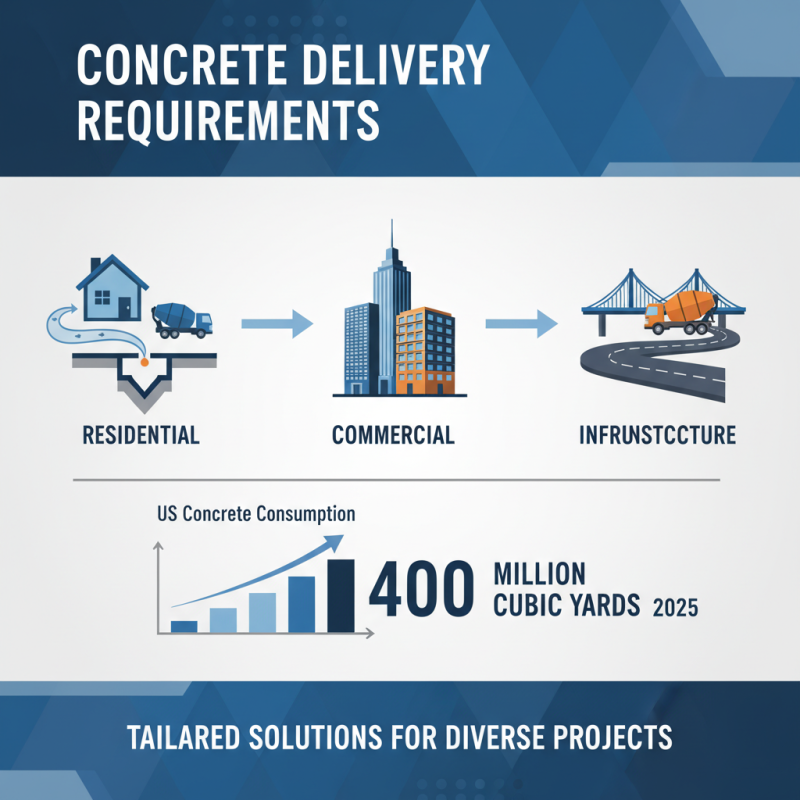
When embarking on a concrete project, understanding specific requirements for concrete delivery is paramount. The needs can vary greatly depending on the scope of the project, whether it involves residential construction, commercial buildings, or infrastructure development. According to a recent industry report by the Portland Cement Association, concrete consumption in the United States is projected to reach nearly 400 million cubic yards annually by 2025, emphasizing the growing demand for tailored delivery solutions that meet distinct project demands.
Key factors to consider include the quantity of concrete required, the timeline for delivery, and the distance from the supply source. A study by the American Concrete Institute reveals that timely delivery can significantly impact overall project efficiency, with delays often resulting in increased costs and labor inefficiencies. Additionally, the required concrete mix and any special additives must be evaluated to ensure compatibility with the project objectives. For example, high-strength concrete or quick-set varieties may be necessary based on the specific structural requirements or environmental conditions associated with the build.
Understanding these project requirements not only helps in selecting the appropriate concrete lorry but also ensures that the concrete meets the necessary quality standards. The National Ready Mixed Concrete Association points out that proper management of concrete delivery can reduce wastage and optimize the use of resources, contributing to overall project sustainability. Prioritizing clear communication of your needs with suppliers will lead to better outcomes and enhance the likelihood of project success.
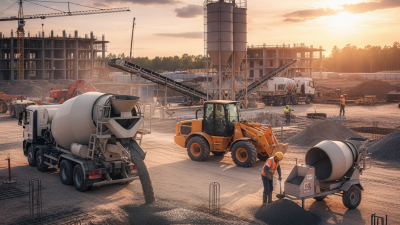
When evaluating different types of concrete lorries available, it’s crucial to consider the specific needs of your project. There are various kinds of concrete lorries, including standard mixer trucks, volumetric mixers, and ready-mix trucks. Each type has its own advantages and is suited for different scenarios. Standard mixer trucks are ideal for large projects where consistent concrete mix is required, while volumetric mixers allow for on-site mixing, providing flexibility in concrete quantities.
One key tip is to assess the capacity and size of the concrete lorry. Depending on the scale of your project, you may require a large truck with a greater load capacity or a smaller lorry for tighter job sites. Additionally, consider the truck's delivery speed and its ability to access your project's location. If you're working in a confined space or have specific timing requirements, these factors can significantly influence your overall project efficiency.
Another important aspect to evaluate is the truck's maintenance record and reliability. When choosing a concrete lorry, ensure that the vehicle has been well maintained to prevent delays caused by breakdowns. Look for lorries that are equipped with modern features for better control and safety, which can also enhance the quality of the concrete delivered. Understanding these factors and assessing your project needs will help you make an informed decision about the right concrete lorry for your requirements.
| Tip Number | Tip Description | Lorry Type | Best For | Load Capacity (m³) |
|---|---|---|---|---|
| 1 | Assess project scale and required volume. | Standard Concrete Lorry | Medium to large construction projects | 6-10 |
| 2 | Consider mixing technology (drum vs. volumetric). | Volumetric Concrete Lorry | On-site mixing and flexibility | Varies based on mix |
| 3 | Evaluate delivery timeliness and logistics. | Ready-Mix Concrete Lorry | Urban projects with tight schedules | 8-15 |
| 4 | Inspect the lorry's maintenance and condition. | Articulated Concrete Lorry | Steep or uneven terrains | 10-14 |
| 5 | Inquire about the driver’s experience and qualifications. | Mobile Mix Lorry | Remote sites and small batches | 4-6 |
| 6 | Clarify the mixing options available. | Truck-Mounted Concrete Pump | High-rise buildings and long-distance pours | 7-12 |
| 7 | Check for additional equipment like pumps and chutes. | Concrete Mixer Trailer | Portable applications and small projects | 2-4 |
| 8 | Review environmental considerations and emissions. | Electric Concrete Lorry | Eco-friendly projects | 6-10 |
| 9 | Compare rental and purchase costs. | Twin-Shaft Mixer Lorry | High-strength concrete needs | 8-12 |
| 10 | Seek recommendations and read reviews. | Self-Loading Concrete Lorry | Self-sufficient projects | 3-6 |
When selecting a concrete lorry for a project, three critical factors should be prioritized: capacity, mixing capabilities, and delivery options. The capacity of a concrete lorry typically ranges from 4 to 12 cubic meters, with most projects favoring trucks that can deliver between 6 to 8 cubic meters of concrete at a time. According to the American Concrete Institute, adequately matching the lorry's capacity to project specifications not only ensures efficiency but also helps minimize waste, which can significantly enhance overall project cost-effectiveness.
Mixing options are equally essential when considering a concrete lorry. Advanced trucks often come equipped with high-strength mixers that maintain the concrete's integrity during transport. Data from the National Ready Mixed Concrete Association shows that using a truck with dual mixing capabilities can boost consistency and workability, crucial for achieving desired performance standards. Projects requiring specialized concrete types, such as high-strength or rapid-setting varieties, benefit particularly from lorries equipped with advanced mixing technology, which ensures accurate proportioning of materials.
Delivery options should not be overlooked, as the logistics of when and where concrete is needed can significantly impact project timelines. Industry reports indicate that on-site concrete delivery can improve productivity by reducing downtime for construction crews. Moreover, some lorries are designed for specific terrains and conditions, further enhancing their utility for diverse project environments. Understanding these factors will guide construction managers in selecting a concrete lorry that not only meets their project's immediate needs but also aligns with broader operational efficiencies.
When selecting a concrete lorry, assessing the reliability and reputation of concrete suppliers is crucial for any construction project. According to a 2021 report by the American Concrete Institute, approximately 30% of construction delays are attributed to supply chain issues, including unreliable concrete delivery. A reputable supplier can mean the difference between a seamless project and costly setbacks. When evaluating potential suppliers, it is essential to look for those with a proven track record of timely deliveries and quality products, as verified by customer testimonials and industry ratings.
Additionally, industry standards, such as those set by the National Ready Mixed Concrete Association, emphasize the importance of supplier reliability. Suppliers who adhere to these standards are more likely to provide high-quality materials that meet specific project requirements. It is also beneficial to check whether they have undergone regular audits or certifications, as this reflects their commitment to maintaining high operational standards. Engaging with local contractors or industry networks can further provide insights into a supplier’s reputation, helping to build a more comprehensive understanding of who will be most reliable for your concrete needs.
When embarking on a concrete project, one of the primary considerations is budgeting for the concrete lorry you plan to use. The cost of hiring a concrete lorry can vary significantly based on several factors, including the type of concrete, the volume needed, and the duration of the hire. It’s crucial to evaluate these aspects thoroughly to ensure that you are making a cost-effective choice that aligns with your project's specifications.
In addition to the base rate of hiring a concrete lorry, consider potential additional costs such as delivery fees, waiting charges, or surcharges for evening or weekend deliveries. These can add up quickly and disrupt your budget if not anticipated. A detailed cost analysis should include not just the obvious expenses but also contingencies for unexpected changes in your project scope or schedule. By planning ahead and factoring in all potential costs, you can avoid financial surprises and ensure that your concrete project stays within budget.