
If you are interested in financing to fund your Bay-Lynx purchase, we recommend that you connect with Easylease Corp., a Canadian-based leasing and finance company that offers premier equipment leasing and financial services. They are focused on making it easier than ever before for companies to overcome cash flow and resource constraints to acquire the assets they need to grow their business.
Leasing through Easylease Corp. can offer several benefits:
Click here for your Canadian instant lease quote >>
For US customers, Click here for your instant lease application >>
Choosing the right Bulk Feed Transport Vehicles is a critical decision for many agricultural businesses. These vehicles play a vital role in efficiently delivering feed to farms. The success of your operations largely depends on this choice, making it crucial to assess various factors carefully.
When selecting bulk feed transport vehicles, consider capacity, durability, and cost-effectiveness. A vehicle's capacity should align with your transportation needs, ensuring efficiency during transport. Durability is essential because feed transport can be demanding. Look for vehicles that withstand harsh conditions.
Reflecting on previous experiences can guide your decision. Consider what has worked and what hasn't. Are there features you overlooked last time? Remember, the right vehicle can enhance your logistics but requires careful thought. Choosing wisely means understanding your specific needs and the market options available.
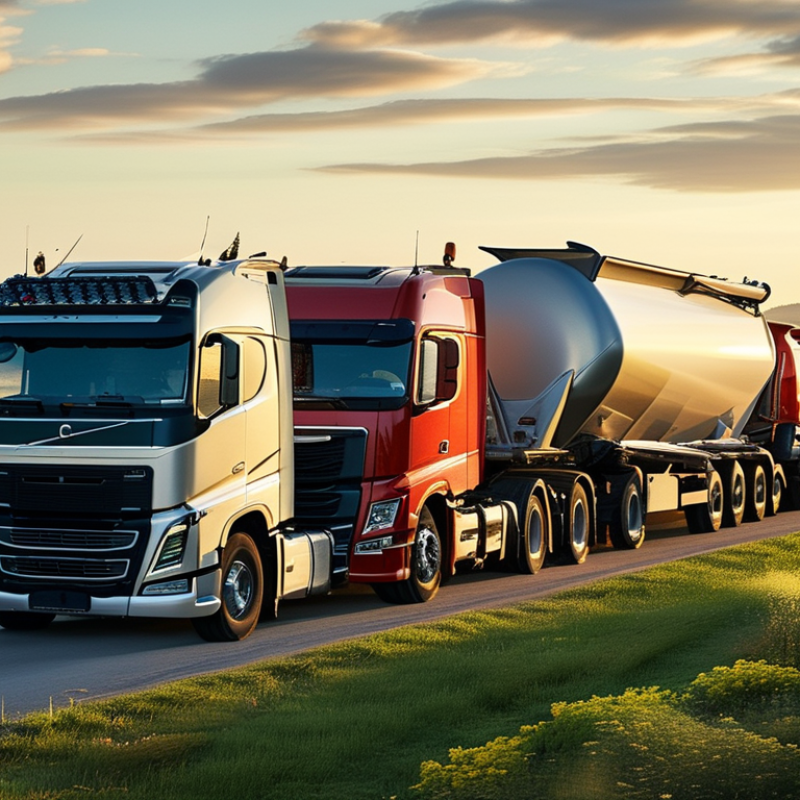
When selecting bulk feed transport vehicles, understanding their specific types is essential. Various vehicles cater to different feed types and transport conditions. For example, hopper bottom trailers are ideal for transporting dry bulk feeds. They efficiently unload and minimize feed damage. According to industry reports, using the right vehicle can reduce loading times by 30%.
Tippers are another common choice. They are particularly suited for heavy feed materials. These vehicles can unload bulk feed quickly, which streamlines operations. Many transport companies prefer them for their durability and ease of use. However, they may face challenges on rough terrain. This can lead to increased maintenance costs.
Tip: Always consider the vehicle's loading capacity. It should match your requirements closely to avoid inefficient trips. Monitoring your vehicle’s performance is crucial. Regular checks can prevent unexpected downtime. All this information emphasizes the importance of choosing the right transport vehicle. It impacts costs, efficiency, and overall reliability.
| Vehicle Type | Capacity (tons) | Fuel Type | Load Type | Typical Use |
|---|---|---|---|---|
| Tanker Truck | 22 | Diesel | Liquid Feed | Transportation of liquid animal feed |
| Bulk Trailer | 30 | Diesel | Dry Feed | Transporting dry granular feed |
| Dump Truck | 10 | Diesel | Bulk Feed | Transportation of feed in bulk |
| Pneumatic Trailer | 25 | Diesel | Powdered Feed | Transporting powdered animal feed |
| Flatbed Truck | 15 | Diesel | Mixed Loads | Transporting varied types of feed |
When considering bulk feed transport vehicles, evaluating vehicle capacity and efficiency is crucial. According to the American Transportation Research Institute, optimizing load capacity can significantly reduce transportation costs. A vehicle that carries 25% more feed can lead to a 20% decrease in costs per ton. This underscores the importance of choosing trucks with the right capacities for bulk feed transport.
Efficiency doesn’t only involve capacity. Fuel consumption plays a key role. A 2020 report by the U.S. Department of Energy emphasized that modern vehicles designed for bulk transport can improve fuel efficiency by 15-20%. This ensures lower operational costs while minimizing environmental impact. However, choosing the right vehicle often includes assessing the specific feed types being transported. Different feeds may require unique handling, affecting vehicle choice.
Some vehicles may not handle certain feed materials well, leading to spoilage. Size and weight restrictions vary by region, also affecting efficiency. Having detailed knowledge about these aspects is essential for success in bulk feed logistics. The industry demands constant reflection and adaptation to find the best solutions. Accurate data helps, but every vehicle and transport scenario is unique.
When selecting bulk feed transport vehicles, evaluating cost factors is critical. The initial purchase price can be deceptive. While a lower-priced vehicle might seem attractive, it may lack features that enhance efficiency or durability. Maintenance costs often accumulate over the vehicle's lifespan. It is essential to consider the total cost of ownership, not just the upfront investment.
Fuel efficiency plays a significant role in long-term expenses. Vehicles that consume less fuel may have a higher price tag but can save considerable amounts over time. Look for models that offer better miles per gallon. The potential for increased loads can also influence cost. A vehicle that can carry more feed can reduce the number of trips needed, ultimately lowering transportation costs.
Beyond monetary aspects, reflect on the vehicle's impact on operations. A vehicle that breaks down frequently can halt business flow. Reliability is a vital factor and sometimes overlooked in budget discussions. Gathering expert opinions can provide insights into the best options available. Make informed decisions based on data and experience, ensuring that your selection meets both immediate and future needs effectively.
Choosing the right transport vehicle for bulk feed is crucial. Safety features play a significant role in this decision. Look for vehicles with robust braking systems and reliable visibility options. These elements can prevent accidents, ensuring that drivers have full control at all times. A well-designed vehicle minimizes the risk of spills during transit.
Regulations are critical as well. Understanding local and state laws is essential. Some areas require specific safety equipment, like reflective tape or emergency lighting. It's important to comply with these regulations to avoid penalties. An improper vehicle can lead to costly fines and even accidents.
Additionally, think about the vehicle's construction. Materials should withstand wear and tear from transporting bulk feed. A poorly constructed vehicle might fail under pressure, compromising safety. Regular maintenance checks are necessary to uphold safety standards. Consider these factors carefully to enhance safety for both the driver and the cargo.
When selecting bulk feed transport vehicles, maintenance is a critical factor. A vehicle that is easy to maintain can significantly reduce downtime. Regular inspections and servicing should be manageable. This ensures that the vehicle remains in good working condition for longer periods.
Longevity is another key element in making your choice. The construction quality and materials used in the vehicle influence its lifespan. Durable components often mean fewer replacements are needed. Operators should consider vehicles with proven track records. However, the cost of maintenance can vary. Factor in both short- and long-term expenses when evaluating options.
Pay attention to user reviews and industry standards. Feedback from other operators can provide insights into real-world performance. Seek information from experts in bulk feed transportation. Sometimes, a less popular vehicle might offer better reliability. Don't overlook local support options, as they can enhance service quality.