Why Choose Step Feeders for Your Manufacturing Needs?
Step Feeders have emerged as essential components in modern manufacturing processes. According to industry expert Dr. Emily Carson, "Step feeders streamline production and enhance efficiency." These systems help automate the feeding of parts and materials, reducing downtime and manual labor. As manufacturers aim for higher output, the importance of reliable, precise equipment like step feeders becomes undeniable.
The choice of step feeders can significantly impact overall production quality. Many industries, from automotive to electronics, rely on their consistent performance. These feeders ensure that materials are delivered to machines in a controlled manner. However, not all step feeders are created equal. Some may struggle with material flow or inconsistent feeding. Thus, manufacturers should carefully select systems that meet their specific needs.
Investing in high-quality step feeders can lead to improved productivity. However, not every manufacturer embraces this technology right away. Some may hesitate due to cost or the learning curve required for implementation. It’s crucial to weigh these considerations against the long-term benefits of enhanced efficiency and reduced waste. Ultimately, the decision to adopt step feeders can shape the future of manufacturing operations.
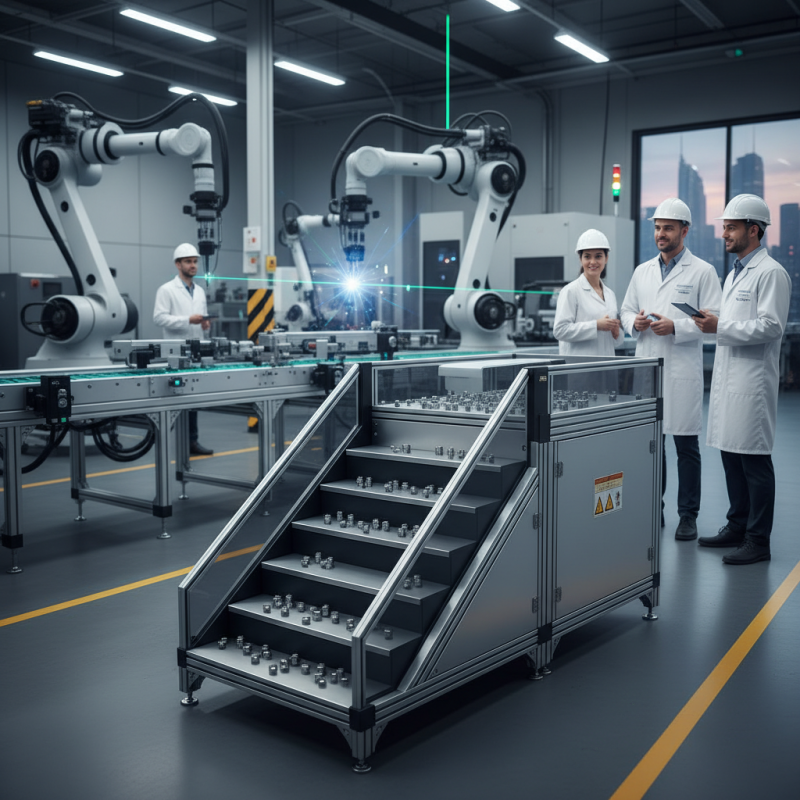
Advantages of Step Feeders in Manufacturing Efficiency
Step feeders are becoming increasingly popular in manufacturing due to their numerous advantages. They enhance manufacturing efficiency by ensuring a steady flow of materials to production lines. This steady supply minimizes downtime, allowing companies to maximize output. Step feeders are designed to handle various materials, from small parts to larger components. Their versatility makes them suitable for different applications.
In addition to improving efficiency, step feeders can significantly reduce labor costs. They automate the feeding process, decreasing the need for manual handling. This leads to less human error and improved safety in the workplace. Companies can allocate labor resources to more complex tasks. However, it is essential to ensure that step feeders are appropriately calibrated. Misalignment can lead to jams and inefficiencies, requiring regular checks and adjustments.
Step feeders also allow for precise part placement. By controlling the flow of materials, they ensure that parts reach the assembly line in the correct orientation. This precision can minimize errors during assembly. However, manufacturers must be aware that not all materials are ideal for step feeding. Some materials may require additional adaptations, and it's vital to assess compatibility before implementation.
Advantages of Step Feeders in Manufacturing Efficiency
Key Features of Step Feeders That Enhance Productivity
Step feeders stand out in manufacturing environments for their efficiency and design. Their ability to carry materials, parts, or components through a systematic feeding process enhances overall productivity. These feeders use a controlled step-action mechanism that ensures items are fed at precise intervals. This precision reduces waste and improves manufacturing flow.
A key feature of step feeders is their adaptability to various materials. Whether handling small components or larger items, they can adjust to meet the requirements of different production lines. This flexibility often leads to increased output. Moreover, step feeders require minimal maintenance, which can be a game-changer for busy manufacturing facilities. With fewer breakdowns, operations run smoothly and consistently.
While step feeders offer many benefits, they can present challenges. For instance, they may not be suitable for every type of material. Certain delicate items may suffer damage during the feeding process. It’s essential to evaluate the specific needs of your operation. Continuous improvement is a must for maximizing the advantages of these systems. Adaptability and thorough understanding are crucial for long-term success in manufacturing processes.
Applications of Step Feeders Across Various Industries
Step feeders are essential in various manufacturing sectors. They are designed for precision and efficiency. These feeders are ideal for handling parts with varied shapes and sizes. The adaptability of step feeders makes them suitable for numerous applications, including automotive, electronics, and pharmaceuticals.
In the automotive industry, step feeders streamline component assembly. They ensure the proper orientation of parts, reducing errors. For electronic devices, step feeders manage small components efficiently. They increase production speed and minimize waste. In pharmaceuticals, precise dosing is critical. Step feeders provide reliable delivery of ingredients, adhering to strict regulations.
Tips for choosing the right step feeder include assessing the type of materials you'll handle. Consider the feeder’s size and output capacity. Evaluate your production needs, as this impacts efficiency. Regular maintenance is crucial for optimal performance. Remember, not every feeder suits every application. You may find specific designs don't meet all your requirements perfectly. Continuous evaluation can help improve the process.
Comparative Analysis: Step Feeders vs. Traditional Feeding Systems
Step feeders present a compelling alternative to traditional feeding systems in manufacturing. Unlike conventional systems, step feeders offer a more effective method for handling fragile components. Their design reduces the risk of damage during transport, making them a suitable choice for sensitive materials. In contrast, traditional feeders may rely on brute force, which can lead to breakage. The gentle bowl movement in step feeders is beneficial for delicate machinery parts, where precision is paramount.
While step feeders excel in specific applications, they do have limitations. They may require more initial setup time and adjustments compared to traditional systems. Moreover, maintenance can be a consideration for some manufacturers. If not regularly monitored, the step feeder’s performance may decline, leading to inconsistencies in production. Some users might find that traditional systems are adequate for their simpler needs. Therefore, it’s essential to evaluate the specific demands of your production line when choosing between these systems. A decision made without careful consideration could result in suboptimal performance.
Maintenance and Longevity of Step Feeders in Manufacturing Settings
Step feeders are essential in manufacturing settings due to their unique design and functionality. They effectively manage the flow of materials, ensuring efficiency in production processes. However, their maintenance and longevity pose challenges that require attention. Regular inspections are crucial. Checking for wear and tear helps prevent failures. Neglecting maintenance can lead to costly downtime.
Routine cleaning is another vital aspect. Dust and debris can accumulate, affecting performance. Operators must ensure that these feeders are kept clean and lubricated. Implementing a scheduled maintenance plan is beneficial. This not only extends the life of the machines but also enhances productivity.
Training staff on the operation and care of step feeders is often overlooked. Knowledgeable personnel can identify issues early. They can troubleshoot minor problems before they escalate. Investing time in employee education prevents many common mistakes. The small effort put into training pays off in the long run. Persistent issues may indicate a need for design reconsideration. Manufacturers must be willing to evolve their processes continuously.