What is Stamping Press Machine and How Does It Work?
The Stamping Press Machine is a pivotal tool in various manufacturing sectors. According to a report by Grand View Research, the global stamping press market is projected to reach $28.4 billion by 2025. This growth highlights the increasing reliance on this technology for efficiency and precision in production processes.
Industry expert Dr. Emily Chen notes, "The stamping press machine is integral for achieving high volume output with consistent quality." Understanding how this machine operates is crucial for manufacturers aiming to enhance productivity. Despite its advantages, some challenges persist, such as maintenance issues and operator skill requirements.
As the demand for automation rises, manufacturers must consider the intricacies of Stamping Press Machines. The balance between technology adoption and workforce development remains a key point of reflection. Continuous improvement in both machine efficiency and operator proficiency is essential for success in this evolving industry.
What is a Stamping Press Machine?
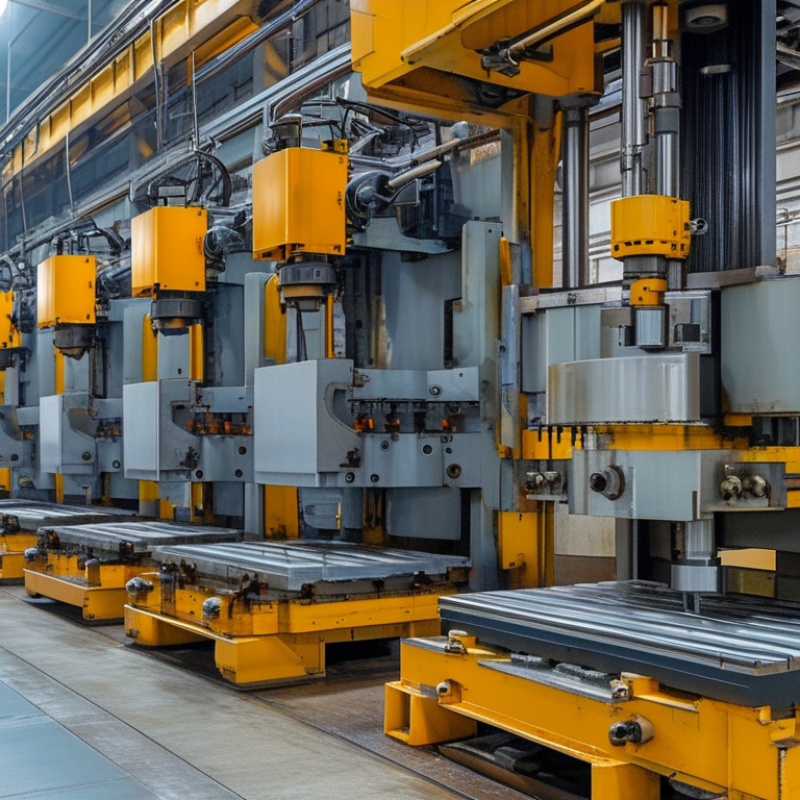
A stamping press machine is a crucial tool in manufacturing. It utilizes a stamping process to shape metal sheets. This machinery exerts high pressure to create components. Industries often rely on it for mass production and precision. The efficiency it offers is unmatched, making it a staple in factories.
According to a report by MarketsandMarkets, the global market for stamping machinery is projected to grow from $22.5 billion in 2021 to $30.6 billion by 2026. This growth highlights the increasing need for automated solutions in manufacturing. The rise of electric stamping presses is noteworthy. They are more energy-efficient than conventional models. As industries seek sustainable practices, this transition is essential.
However, challenges remain. Many operators lack the necessary training to run these machines safely. This can lead to accidents and production delays. Additionally, older machines are often less reliable, requiring frequent maintenance. Companies must weigh the benefits of new equipment against their budgets. As demand grows, the need for skilled operators and state-of-the-art technology becomes more pressing.
Overview of Stamping Press Machine Components
The stamping press machine is essential in manufacturing, consisting of various components that work together seamlessly. These components include the frame, the bed, the ram, and the drive mechanism. The frame provides the necessary support, ensuring stability under pressure. The bed secures the workpiece, while the ram delivers powerful strokes to form, cut, or shape materials.
The drive mechanism can be mechanical or hydraulic, impacting the machine's efficiency. A report from MarketsandMarkets predicts the stamping press market will reach $43 billion by 2027, highlighting its growing significance across industries. The effectiveness of these components contributes to reduced cycle times and improved production rates, which is crucial in a competitive landscape.
**Tip:** Regular maintenance of the stamping press elements can prevent downtime. Ensure that all components are well-lubricated and free of debris to optimize performance.
While advancements in stamping technology increase precision, it's essential to monitor the wear and tear on components. Over time, even high-quality parts can exhibit fatigue. Staying proactive about inspections can mitigate issues before they escalate.
**Tip:** Implement a scheduled inspection routine to assess the condition of critical components regularly. This practice is vital for maintaining operational efficiency and prolonging the machine’s lifespan.
What is Stamping Press Machine and How Does It Work? - Overview of Stamping Press Machine Components
| Component | Function | Material | Key Features |
| Frame | Houses other components and provides stability | Welded steel | Rigid and durable |
| Ram | Moves up and down to apply force | Cast iron or steel | High strength, various stroke lengths |
| Die Set | Shapes the material during stamping | Tool steel | Precision engineered, replaceable |
| Control System | Regulates machine operations | Electronic components | User-friendly interface, programmable |
| Clutch Mechanism | Engages and disengages the ram | Metal alloys | Responsive, low maintenance |
| Safety Guards | Protects operators from accidents | Plastic or metal | Durable, meets safety standards |
Basic Principles of Stamping Press Operation
Stamping press machines are essential in modern manufacturing. They operate by using a combination of force and mechanical motion. Understanding the basic principles behind their operation is crucial for efficiency and safety.
At the heart of a stamping press is a ram that moves downwards. This ram carries the die, which shapes the material into the desired form. The material, often sheet metal, is fed into the machine. It gets pressed between the die and the ram, resulting in precise cuts or shapes. This process can be repeated rapidly, allowing for high-volume production. However, ensuring proper alignment and maintenance is essential. Misalignments can lead to flaws in products.
Tips: Regular inspections help identify issues early. Always prioritize safety when operating machinery. It's easy to overlook small problems, but they can have significant impacts. Stamping presses also require skilled operators. Not every fault is easy to spot. Training is as crucial as the machine itself. Understanding how the machine works can lead to improved performance.
In the industrial world, attention to detail is vital. A small error can cause waste and increased costs. Operators must stay vigilant. Proper setup and calibration can make a big difference. Always test materials before large runs to avoid mistakes. Learning from past errors enhances overall efficiency.
Performance Analysis of Stamping Press Machines
This bar chart illustrates key performance metrics of stamping press machines, highlighting their speed, force applied, energy consumption, and production rate.
Different Types of Stamping Press Machines
Stamping press machines are essential in various manufacturing processes. They create shapes and parts by applying pressure to metal sheets. Understanding different types of stamping presses helps businesses choose the right tools for their needs.
Mechanical stamping presses are the most common. They use a motor to drive a flywheel, generating high force quickly. This type is ideal for high-speed operations. However, they require regular maintenance.
Hydraulic stamping presses offer more flexibility. They use hydraulic fluid pressure to achieve powerful strokes. While they handle thicker materials well, they operate at slower speeds.
Servo-driven stamping presses combine precision and speed. They provide adjustable force throughout the stamping cycle. This adaptability can lead to efficient production, but they often require a higher initial investment.
Each type has unique advantages and challenges. Manufacturers must balance speed, cost, and precision. Choosing the right machine can impact overall productivity. Understanding these attributes helps in making informed decisions. Without proper research, companies might face inefficiencies in their operations.
Applications and Benefits of Stamping Press Machines
Stamping press machines play a crucial role in various manufacturing sectors, including automotive, aerospace, and electronics. Their primary application is sheet metal forming, where they convert flat metal sheets into desired shapes. According to industry reports, the global stamping press market is expected to reach $28 billion by 2028, growing at a CAGR of 4.2%. This growth indicates the increasing reliance on efficient production processes driven by automation and precision.
The benefits of stamping press machines are significant. They enhance production speed, allowing for high-volume manufacturing. They also ensure precision, reducing material waste and improving product quality. A study revealed that companies using advanced stamping technologies reported a 15% increase in overall efficiency. However, operators often overlook maintenance, which can lead to unexpected downtimes. Regular inspections and updates can mitigate this risk.
Tips: Always keep your stamping press machines clean. Accumulated debris can affect performance. Consider investing in training for your operators. Well-trained staff can identify minor issues before they become major problems. Regular performance reviews can help optimize operations and improve safety measures. Balancing efficiency with caution is key in this industry.