
If you are interested in financing to fund your Bay-Lynx purchase, we recommend that you connect with Easylease Corp., a Canadian-based leasing and finance company that offers premier equipment leasing and financial services. They are focused on making it easier than ever before for companies to overcome cash flow and resource constraints to acquire the assets they need to grow their business.
Leasing through Easylease Corp. can offer several benefits:
Click here for your Canadian instant lease quote >>
For US customers, Click here for your instant lease application >>
In the landscape of plumbing and water management, the Pressure Backflow Preventer plays a critical role. This device safeguards the potable water supply from contamination. The Environmental Protection Agency (EPA) reports that backflow incidents account for significant public health risks, affecting thousands of communities annually. Ensuring safe drinking water is paramount, and a pressure backflow preventer is essential for any facility.
Many industries, including agriculture and manufacturing, face strict regulations regarding backflow prevention. The American Water Works Association (AWWA) emphasizes that over 5,000 waterborne illness outbreaks in the U.S. are attributed to contaminated water sources. Yet, the awareness of pressure backflow preventers remains inadequate in many sectors. Many facilities lack the proper installations needed for protection.
Neglecting this vital component can lead to devastating consequences, both for public health and a business's reputation. Investing in a pressure backflow preventer is not just a precaution; it is a necessary step toward ensuring that water quality standards are met and maintained. The time has come to recognize the importance of this device in safeguarding our most valuable resource.
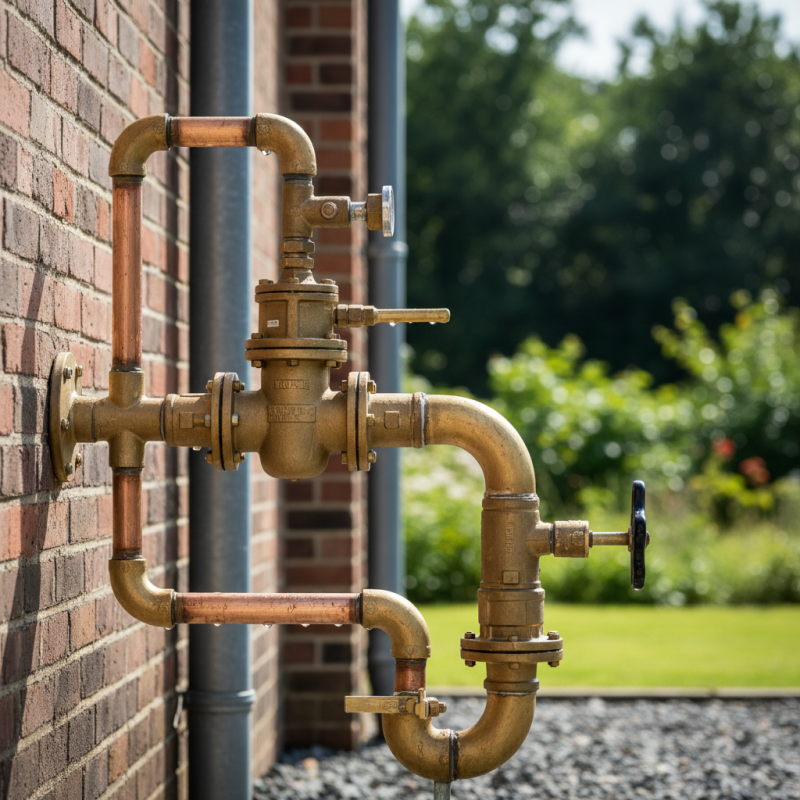
A pressure backflow preventer is a crucial device used in plumbing systems to prevent contaminated water from reversing its flow. Water can flow back into your clean supply due to pressure changes. This often happens during firefighting or when main lines break. The device ensures that dirty water does not mix with your clean drinking water.
Understanding how a pressure backflow preventer works can help you appreciate its importance. It typically includes a valve that only allows water to flow in one direction. If any backflow occurs, the valve closes tightly. This prevents pollutants and chemicals from entering your potable water supply. Such devices are often required by local regulations to maintain public health standards.
Installing this system may seem straightforward, but its effectiveness depends on proper maintenance. Over time, debris and mineral buildup can impair function. Regular inspections are necessary to ensure reliability. Skipping these checks can lead to serious consequences. Reflecting on this, homeowners should prioritize their plumbing systems to safeguard health and meet safety codes.
A pressure backflow preventer is essential in any plumbing system. It stops contaminated water from flowing back into clean water supplies. When water pressure drops, pollutants can enter the drinking water. This can cause severe health risks.
Understanding how a pressure backflow preventer works is crucial. The device uses a simple mechanism—a valve that closes when water reverses direction. So, if there's a drop in pressure, the valve ensures that water flows only in one direction. This is vital for systems connected to irrigation or chemical supply lines.
Installation should be done with care to ensure reliability. Regular maintenance checks can spot any issues. Sometimes, professionals miss small leaks or malfunctions. These oversights can lead to serious contamination. Training and knowledge help avoid these risks. Adopting a proactive approach enhances safety in your water supply.
A Pressure Backflow Preventer (BFP) is crucial for safeguarding your water supply. It prevents contaminated water from flowing back into clean water systems. According to the American Society of Civil Engineers, backflow incidents significantly contribute to water pollution, creating health risks. Installing a BFP can mitigate such threats.
One key benefit of a BFP is compliance with local regulations. Many municipalities require these devices to protect public health. Failure to adhere may result in substantial fines. Additionally, a properly installed BFP can improve water pressure in your system. This ensures a steady supply, especially during peak usage. Reports indicate that homes with reliable water pressure have fewer plumbing issues.
Moreover, a BFP offers peace of mind. Knowing your drinking water is protected enhances homeowner confidence. However, it’s vital to maintain the device regularly. Neglecting maintenance can lead to malfunctions, increasing risk. Experts recommend annual inspections to ensure the BFP functions correctly. Balancing installation and upkeep is key in achieving optimal protection.
This chart depicts the key benefits of installing a pressure backflow preventer, illustrating various factors that highlight its importance in plumbing systems.
Pressure backflow preventers are vital components in various systems, ensuring the safety of drinking water sources. They are commonly used in irrigation, fire protection systems, and commercial plumbing. In irrigation, they prevent contaminants from returning to the main water supply. This ensures that the water used for crops remains free from harmful substances. In such applications, proper installation and maintenance are crucial for functionality.
Fire protection systems also rely on pressure backflow preventers. They keep the water flow directed towards suppressing fires, without allowing reverse flow into the public water supply. Every year, many municipalities require these devices to protect their water systems. Understanding local regulations can improve safety measures.
In commercial plumbing, these preventers serve a similar purpose, safeguarding potable water. They are essential for protecting plumbing fixtures from contamination. However, some may overlook their maintenance. Regular checks are necessary to catch potential issues early. A failure in this device can lead to serious health risks, so vigilance is key.
| Application | Description | Benefits | Typical Use Cases |
|---|---|---|---|
| Irrigation Systems | Used to prevent contamination from backflow in agricultural irrigation. | Protects water supply, ensures safe irrigation practices. | Farms, Golf Courses, Parks. |
| Fire Protection Systems | Prevents contamination of potable water in fire suppression systems. | Ensures reliable operation and safety of fire systems. | Commercial Buildings, Industrial Facilities. |
| Residential Plumbing | Protects the home’s potable water from sewage or chemicals. | Enhances safety in homes, prevents health risks. | Households, Apartment Complexes. |
| Industrial Processes | Used to prevent backflow of pollutants in manufacturing processes. | Maintains integrity of production, protects workers. | Manufacturing Plants, Chemical Facilities. |
Maintenance of pressure backflow preventers is essential for ensuring clean and safe water systems. Regular inspections are critical. Check for signs of wear, corrosion, or leaks. These issues can compromise the device's effectiveness. If you notice anything unusual, addressing it promptly is vital.
Flush the system periodically. This helps remove debris and sediment that can cause blockages. Use a gentle cleaning solution if necessary. Routine checks on pressure gauges are also important. They help you monitor pressure levels. If the pressure deviates significantly, it could signal a problem.
Do not ignore minor issues. Seemingly small leaks can escalate if left unchecked. In some cases, a simple adjustment can resolve a problem. Always refer to applicable guidelines for troubleshooting. However, if the problem persists, seeking professional help may be necessary. It's in your best interest to maintain your backflow preventer properly. Ignoring it can lead to bigger headaches down the road.