Financing

If you are interested in financing to fund your Bay-Lynx purchase, we recommend that you connect with Easylease Corp., a Canadian-based leasing and finance company that offers premier equipment leasing and financial services. They are focused on making it easier than ever before for companies to overcome cash flow and resource constraints to acquire the assets they need to grow their business.

Leasing through Easylease Corp. can offer several benefits:

  • Conserve Cash Leasing
  • 100% Financing
  • No Pre-Payment of Taxes
  • Preserve Lines of Credit
  • Potential Income Tax Benefits
  • Pay as You Profit
  • Match Revenue with Expenditures
  • Simple, Convenient Process
  • Tailored Payments

Click here for your Canadian instant lease quote >>

For US customers, Click here for your instant lease application >>

Why Is On Site Concrete Mixing Essential for Modern Construction Projects?

The construction industry is experiencing a shift towards efficiency and sustainability. On site concrete mixing plays a pivotal role in this transformation. Reports indicate that on site concrete mixing can reduce material waste by up to 30%. This efficiency not only saves costs but also supports environmentally friendly construction practices.

Industry expert John Smith emphasizes the importance of this practice. He states, “On site concrete mixing allows for tailored mixes that meet specific project requirements.” This adaptability is crucial in modern projects that often face unique challenges. Furthermore, using local materials can enhance the overall quality of the construction.

However, challenges exist. Consistency in mix quality can vary. Also, the logistics of transporting equipment may complicate operations. Despite these issues, the benefits of on site concrete mixing align with the industry's push for innovation and sustainability. Embracing this approach is essential for future success.

Why Is On Site Concrete Mixing Essential for Modern Construction Projects?

Importance of On-Site Concrete Mixing in Construction Efficiency

Why Is On Site Concrete Mixing Essential for Modern Construction Projects?

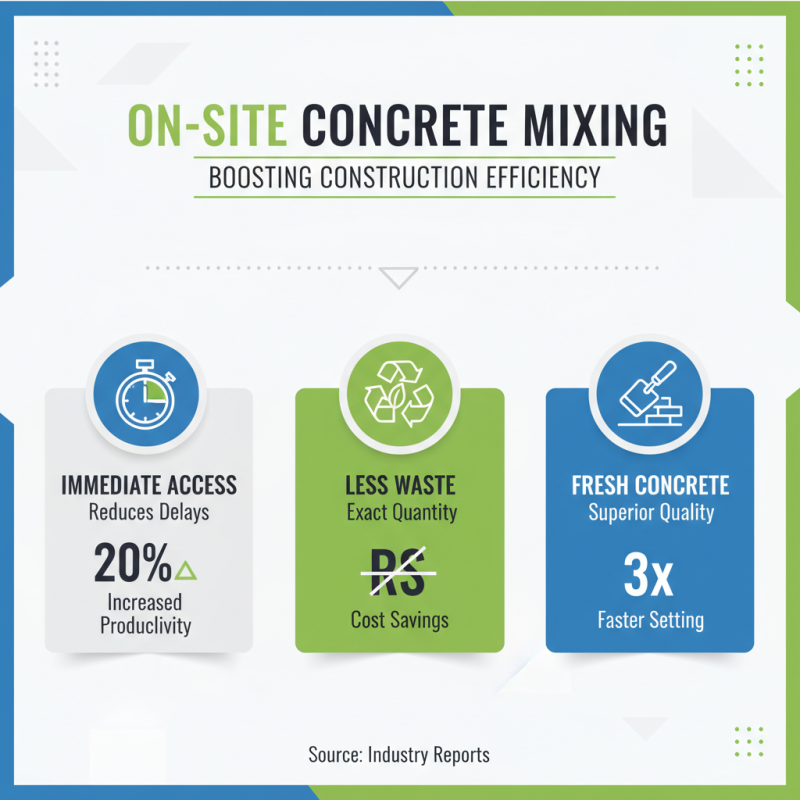
On-site concrete mixing plays a crucial role in enhancing construction efficiency. It allows for immediate access to fresh concrete, minimizing delays in the supply chain. According to industry reports, construction projects can see a productivity increase of up to 20% with on-site mixing. This approach reduces waste, as the exact amount of concrete needed can be prepared on demand.

However, there are challenges. Inadequate planning can lead to over or under-mixing. Other times, weather conditions affect the setting times. This variability can impact project timelines. Efficient on-site mixing requires skilled operators who know how to adjust for these factors.

Additionally, the concrete’s quality depends on proper mixing techniques. Inconsistent quality can lead to structural issues down the line. Studies indicate that ensuring uniform consistency is vital for maintaining the durability of the build. Construction teams must remain vigilant, constantly reassessing their methods to avoid these pitfalls.
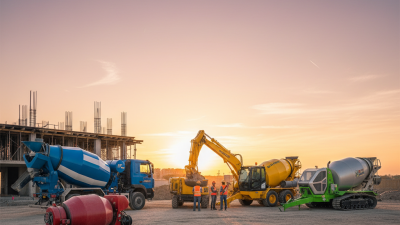
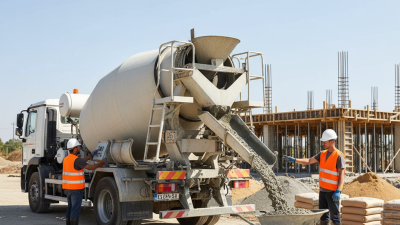
Cost-Effectiveness of On-Site Concrete Mixing Solutions

On-site concrete mixing offers significant cost-effectiveness for modern construction projects. When you mix concrete directly at the site, you reduce transportation costs. There’s no need for trucks to deliver pre-mixed concrete. This can save time and money. Additionally, you can adjust the concrete mix on the spot. This flexibility ensures that you meet specific project requirements without over-purchasing materials.

One tip for maximizing your savings is to calculate your concrete needs accurately. Use a reliable formula to measure the volume required. Another tip is to consider the environmental impact. Reducing transport emissions by mixing on-site contributes to sustainability. However, some challenges may arise, such as inconsistent quality. It's essential to monitor the mixing process closely to prevent issues.

Keep in mind that while on-site concrete mixing is cost-effective, it's not without its complexities. Training staff to use mixing equipment properly is crucial. Ensure all workers understand safety protocols. Sometimes, the initial investment in equipment can be daunting. Nonetheless, the long-term savings can outweigh these costs in most cases.

Quality Control Benefits of Mixing Concrete On-Site

On-site concrete mixing has become a vital aspect of modern construction. It allows for tighter control over the concrete's quality. By mixing materials on-site, project managers can adjust the mix according to immediate needs. This adaptability is crucial for achieving desired strength and durability. Moreover, the freshness of the ingredients ensures consistent performance.

Different projects have different requirements. Mixing concrete on-site helps to meet these specific demands. However, challenges may arise. For instance, weather conditions can affect the mixing process. A sudden rainstorm might alter the hydration rates. Proper planning and monitoring are essential. It's important to anticipate such issues to minimize their impacts.

Furthermore, ensuring quality involves regular testing and oversight. Even small variations in the mix can lead to undesirable results. Therefore, it is necessary to conduct routine checks. This can be a time-consuming task, but the benefits are significant. Quality control not only improves the structure but also enhances safety. Taking these extra steps cultivates a culture of responsibility among the team.

Flexibility and Adaptability of On-Site Concrete Mixing Techniques

On-site concrete mixing offers remarkable flexibility for modern construction. Projects require unique mixtures for specific tasks. Mixing concrete on site allows for tailored solutions. According to a report by the American Concrete Institute, 70% of construction delays stem from delivery issues. This is where on-site mixing shines. It reduces reliance on external suppliers and cuts down waiting times significantly.

Adaptability is another key aspect. Construction sites often face changes, from design adjustments to weather conditions. On-site mixing can quickly respond to these variations. For instance, a study published in the Journal of Construction Engineering found that on-site mixing can lower costs by up to 15% when compared to traditional methods. Yet, this system is not without its challenges. Human error can lead to inconsistencies. Moreover, equipment malfunction can slow down operations.

Despite these concerns, on-site concrete mixing remains a preferred choice. It empowers teams to adjust mixes in real-time. A flexible approach can enhance project efficiency while ensuring quality. However, continuous training and maintenance are vital. They play a crucial role in minimizing potential mistakes. Balancing these factors is necessary for success.

Environmental Advantages of On-Site Concrete Production

On-site concrete mixing is increasingly recognized for its environmental benefits. Producing concrete directly at the construction site reduces transportation emissions. Trucks hauling concrete contribute significantly to air pollution. Less transit means a smaller carbon footprint.

Using local materials is another advantage. When mixing on-site, builders can source aggregates nearby. This practice not only cuts down on transport but also supports the local economy. The concrete produced is often fresher and tailored to project needs.

However, on-site mixing isn't without challenges. It requires careful planning and skilled labor. There can be issues with quality control and consistency. Such hurdles remind us that while benefits are clear, the execution must be precise.