What is a Metal Bottle Cap and How to Choose the Best?
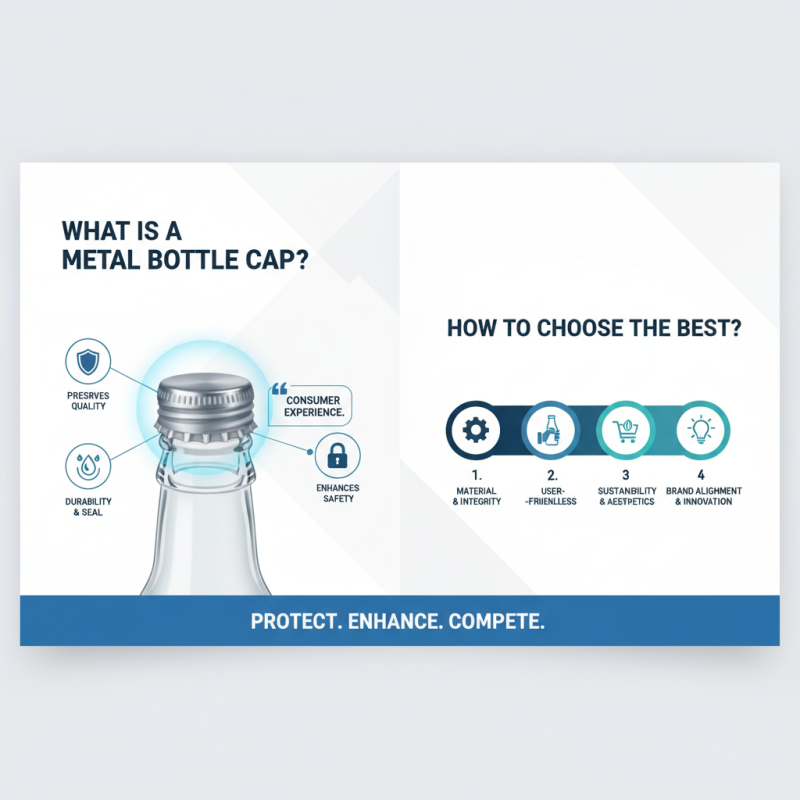
In the world of packaging, the significance of a Metal Bottle Cap cannot be overstated. These caps play a crucial role in preserving the quality and safety of beverages. Renowned packaging expert, Dr. Emily Roberts, once stated, “The choice of a cap can make or break the consumer's experience.” Her insight emphasizes the importance of selecting the right cap for every bottle design.
Considering the variety of metal bottle caps available, choosing the best one can be overwhelming. Factors like material, seal integrity, and user-friendliness must be taken into account. Metal bottle caps offer durability and effective sealing, yet not all caps are created equal. Consumers need to reflect on what they prioritize in packaging: sustainability, aesthetics, or functionality.
Each brand has unique requirements in their packaging solutions. The right Metal Bottle Cap not only protects the product but can also enhance brand appeal. As the industry evolves, it’s essential to remain adaptable and informed. A thoughtful selection process can lead to a better user experience and a competitive edge in the market.
What Are Metal Bottle Caps and Their Common Applications?
Metal bottle caps are essential components in numerous industries, primarily in beverage packaging. They serve to seal bottles securely, ensuring product freshness and preventing contamination. Common materials used include steel and aluminum, known for their durability. According to market research, the global metal cap market is expected to reach approximately $28 billion by 2025, driven by rising demand from the beverage sector.
These caps find extensive applications not just in soft drinks, but also in pharmaceuticals and cosmetics. In beverages, they provide a tamper-proof seal, which boosts consumer confidence. The steel variant is often preferred for carbonated drinks due to its strength, while aluminum caps are lightweight and resistant to rust. Data from the Packaging Association indicates that nearly 70% of bottled beverages utilize metal closures, highlighting their widespread acceptance.
However, as the industry grows, challenges persist. Sustainability in production and recycling remains an essential concern. While metal caps are recyclable, not all consumers are aware of proper disposal methods. Efforts to improve awareness about recycling and the environmental impact of waste are crucial. The industry must continuously strive to educate consumers and enhance production processes for sustainability.
Key Materials Used in Manufacturing Metal Bottle Caps
Metal bottle caps are an essential component in beverage packaging. They ensure product freshness and safety. Various materials are used to manufacture these caps. The most common are aluminum and tinplate. Each material has unique advantages and drawbacks.
Aluminum caps are lightweight and resistant to corrosion. They offer excellent sealing properties, making them suitable for carbonated drinks. However, they can be prone to denting, which may affect their effectiveness. Tinplate, on the other hand, is heavier but provides extra durability. It’s often used for products that require a stronger seal. While tinplate caps can be more robust, they can also be less resistant to rusting, especially if the coating is compromised.
Choosing the right material requires careful consideration of the product and its environment. Factors such as storage conditions and intended use play a significant role. Think about the end-user experience as well. A cap that is difficult to open may frustrate customers. Therefore, it’s important to balance durability with ease of use, creating a cap that meets both safety standards and consumer satisfaction.
Factors to Consider When Choosing the Best Metal Bottle Caps
Choosing the right metal bottle cap is essential for maintaining product quality. Several factors must be considered. The material of the cap is critical. Aluminum and steel are common choices. According to a 2023 market report, aluminum caps provide excellent seal integrity while being lightweight. Steel caps offer enhanced durability, which is vital for carbonated beverages.
Another important aspect is the liner type. Different liners can offer varying degrees of protection from contamination. A study by the Beverage Packaging Association highlighted that 70% of consumers prefer caps that ensure freshness. The choice of closure also impacts consumer experience. Easy-to-open designs can increase customer satisfaction, which is crucial in today’s competitive market.
Finally, consider the cap size and compatibility with bottles. A mismatched cap can lead to leaks and spoilage. Research indicates that proper sizing can reduce product recalls by up to 30%. These factors are essential in selecting the best metal bottle caps, affecting both product performance and customer loyalty.
Metal Bottle Caps Analysis
Industry Standards and Quality Control for Metal Caps
Metal bottle caps play a crucial role in product integrity and safety. Their quality is governed by industry standards. Understanding these standards is essential for selecting the best caps for your needs.
Industry standards, such as those set by ASTM and ISO, dictate the materials and manufacturing processes. Reliable metal caps must withstand environmental factors and maintain a secure seal. Testing for durability and resistance to corrosion is vital. Poor-quality caps can lead to product spoilage and safety issues.
Tips: Always check for certifications related to quality and safety. Engage suppliers who prioritize quality control in their manufacturing process. Also, consider the cap's design – a well-engineered cap enhances user experience and product trust.
Choosing a cap involves evaluating aesthetics and functionality. Ensure it fits securely on your bottle to prevent leaks. However, not all caps are compatible with every liquid. Be cautious about the material used in caps. It should never react adversely with the contents. Always prioritize safety and effectiveness in your selection.
Recent Trends in Metal Bottle Cap Design and Sustainability Practices
Recent trends in metal bottle cap design focus on sustainability and innovation. Studies show that consumers increasingly prefer eco-friendly packaging. Approximately 66% of global consumers are willing to pay more for sustainable products. Metal caps are often seen as a better choice than plastic due to their recyclability and durability.
Innovative designs are emerging in the market. Many manufacturers explore the use of recycled materials, reducing carbon footprints. According to research by the Beverage Industry, metal caps now feature advanced sealing technologies, enhancing product freshness. However, there are challenges. Not all manufacturers prioritize sustainability. Some still rely on conventional production methods that harm the environment.
The shift toward green practices is visible but not complete. Many organizations push for improved recycling infrastructure for metal caps. It's essential to reflect on the entire life cycle of a product. While metal caps offer benefits, their production and disposal can present issues. More efforts are needed to ensure that they contribute to a sustainable future.