
If you are interested in financing to fund your Bay-Lynx purchase, we recommend that you connect with Easylease Corp., a Canadian-based leasing and finance company that offers premier equipment leasing and financial services. They are focused on making it easier than ever before for companies to overcome cash flow and resource constraints to acquire the assets they need to grow their business.
Leasing through Easylease Corp. can offer several benefits:
Click here for your Canadian instant lease quote >>
For US customers, Click here for your instant lease application >>
Choosing among the top Plastic Cup Making Machine manufacturers worldwide requires more than comparing brochures. A reliable supplier should demonstrate stable forming cycles, accurate heating zones, clean mold changes, and consistent cup-wall thickness. Factory experience matters when a machine runs thousands of cycles each day. Small defects become expensive quickly. A weak rim, uneven base, or excessive trimming waste can damage an otherwise attractive project.
Dr. James L. Throne, a respected thermoforming specialist, offers a useful principle: “Thermoforming performance depends on controlling the process, not simply increasing speed.” This idea deserves attention. A fast machine is not automatically a productive machine. Buyers should examine servo control, material compatibility, energy consumption, cooling design, automation, and after-sales support. They should also request sample production using their own sheet material and cup dimensions. Real tests reveal more than polished demonstrations.
This guide compares leading manufacturers through practical criteria, including engineering capability, delivery experience, maintenance support, and documented quality procedures. It also considers how suppliers handle tooling changes, spare parts, operator training, and production troubleshooting. Rankings can never be perfectly permanent. Market conditions change. Some smaller manufacturers may offer excellent value but have limited international service networks. That weakness should not be ignored. Conversely, a famous brand may still provide an unsuitable configuration. Careful buyers should verify references, inspect technical specifications, and review total operating costs before choosing a Plastic Cup Making Machine manufacturer. The best decision is not always the cheapest or fastest. It is the one that performs reliably under real production pressure.
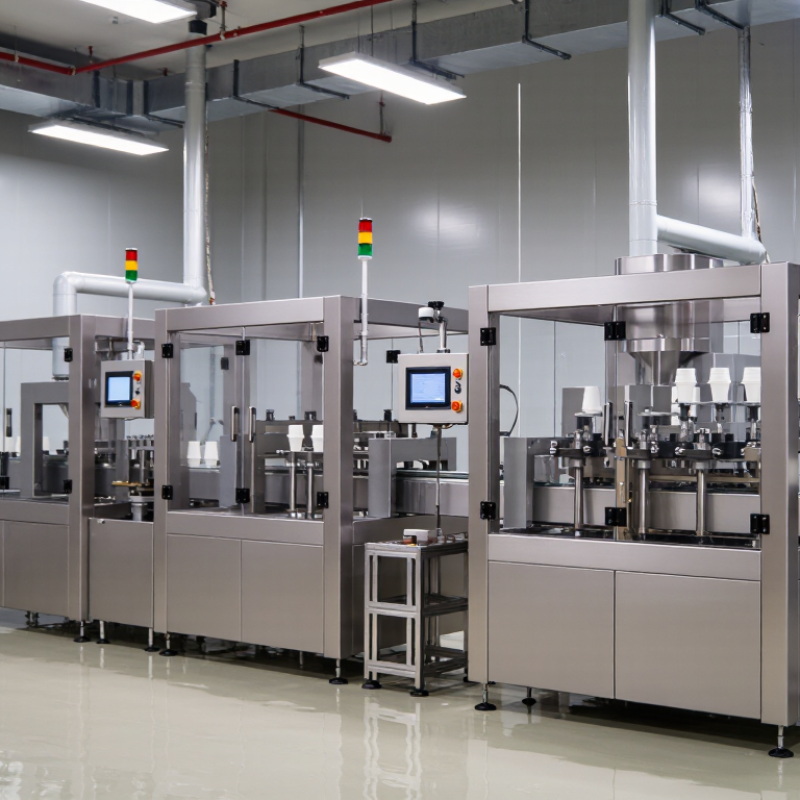
A plastic cup making machine is industrial equipment that forms heated plastic sheets into cups. It commonly uses thermoforming, where heat softens the sheet before molds shape it. The machine then cools, trims, and stacks the finished cups. It looks simple. It is not.
A typical system includes a sheet feeder, heating stations, forming molds, cutting tools, and a stacking unit. Operators adjust temperature, forming pressure, cooling time, and material thickness. Small changes can affect rim strength, wall thickness, and cup clarity. In my experience, stable feeding often matters as much as machine speed. A fast line is not useful when cups arrive unevenly.
Different machines suit different production needs. A compact unit may serve small batches, while larger equipment supports continuous production. Buyers should inspect mold compatibility, changeover time, energy use, cleaning access, and operator controls. Food-contact production also requires suitable materials and documented quality procedures. These details deserve careful verification.
The first setting is rarely perfect. Material behavior can change with room temperature, sheet storage, and mold wear. Regular inspections help identify cracks, uneven edges, or incomplete forming before they spread through a batch. Some manufacturers focus heavily on output figures, but practical reliability needs closer attention. A machine should produce consistent cups, not merely impressive numbers.
A plastic cup making machine is a thermoforming system that heats plastic sheet, forms it in a mold, cuts the cups, and transfers them for stacking. The chart shows typical production-output ranges commonly specified for different machine configurations. Actual output depends on cup size, material, mold cavities, forming cycle, and automation level.
Top Plastic Cup Making Machine Manufacturers Worldwide?
How Plastic Cup Making Machines Work
Plastic cup making machines usually begin with a flat sheet of plastic. A heating unit softens the sheet until it becomes flexible. The softened material moves over a forming mold. Vacuum pressure, compressed air, or both pull the sheet into the mold’s shape. Cooling then hardens the cup before a cutting station separates it from the surrounding sheet.
The machine controls several details at once. Temperature sensors monitor each heating zone. Servo motors guide the sheet and control forming speed. A trimming system removes uneven edges. Experienced operators check cup weight, wall thickness, rim shape, and stacking accuracy. A small temperature change can create thin spots near the base. That problem is easy to miss during a quick inspection. No cycle is perfectly stable. Material batches, room temperature, and mold condition can affect results.
Tips: Keep the mold clean and inspect vents regularly. Calibrate sensors on a planned schedule. Check sample cups during production, not only afterward. Use consistent sheet thickness whenever possible. Record defects with their temperature, pressure, and speed settings. This makes troubleshooting more reliable, although records do not replace careful observation. Allow enough cooling time. Rushing this stage may cause warped rims or unstable stacks.
Brand-neutral comparison of common commercial plastic cup machine configurations and operating characteristics
| Machine Configuration | Primary Forming Method | Common Cup Materials | Typical Production Range | Typical Cup Capacity | Typical Sheet Thickness | Main Operating Stages | Best-Suited Applications |
|---|---|---|---|---|---|---|---|
| In-Line Thermoforming Machine | Heated plastic sheet is indexed into a forming station, shaped by vacuum and/or compressed air, and then cut in the same production line. | PET, PP, PS, PLA and other thermoformable sheet materials. | Approximately 30–120 cycles per minute, depending on mold cavities, cup size and automation level. | About 100–700 mL | Approximately 0.20–1.20 mm | Sheet feeding; infrared or ceramic heating; plug assist when required; vacuum/pressure forming; trimming; stacking. | High-volume production of drinking cups, dessert containers, food tubs and takeaway packaging. |
| Roll-Fed Thermoforming Machine | Plastic film or sheet is unwound from a roll, heated, formed in a mold and trimmed continuously or intermittently. | PP, PS, PET, PLA and multilayer packaging films. | Approximately 20–100 forming cycles per minute, with output influenced by mold layout and web width. | About 80–500 mL | Approximately 0.15–0.80 mm | Roll unwinding; tension control; preheating; forming; edge trimming; scrap collection; stacking. | Thin-wall cups and high-speed food-service packaging where material utilization is important. |
| Sheet-Fed Thermoforming Machine | Pre-cut plastic sheets are loaded individually or by an automatic feeder and formed under vacuum or pressure. | PP, PET, PS, HIPS and biodegradable thermoforming sheets. | Approximately 10–50 cycles per minute, depending on sheet handling and mold size. | About 100–1,000 mL | Approximately 0.30–2.00 mm | Sheet loading; heating; forming; cooling; trimming; part removal. | Medium-volume production, thicker cups, specialty containers and short production runs. |
| Pressure Thermoforming Machine | Compressed air is added to vacuum forming to improve definition, sidewall detail and dimensional consistency. | PP, PET, PS, PLA and high-clarity packaging sheet. | Approximately 20–90 cycles per minute, depending on mold design and pressure system. | About 100–700 mL | Approximately 0.20–1.00 mm | Sheet heating; air pre-stretching or plug assist; vacuum and compressed-air forming; cooling; cutting. | Clear cups, printed-rim products, textured walls and containers requiring precise details. |
| Injection Molding Machine | Plastic pellets are melted, injected into a metal mold under pressure, cooled and ejected as finished cups. | PP, PS, PET-based molding grades and other injection-molding polymers. | Approximately 20–100 cycles per minute; cavity count and cooling time strongly affect output. | About 100–1,000 mL | Usually approximately 0.50–2.50 mm, depending on design and resin. | Pellet drying when required; plasticizing; injection; holding pressure; cooling; mold opening; ejection. | Reusable cups, rigid containers, products with integrated features and applications requiring consistent wall geometry. |
| Rotary Thermoforming Machine | Heating, forming, trimming and stacking occur at different stations arranged around a rotating platform. | PP, PET, PS, PLA and other sheet-based thermoforming materials. | Approximately 20–80 cycles per minute, depending on the number of stations and mold cavities. | About 100–700 mL | Approximately 0.20–1.20 mm | Sheet or web loading; staged heating; forming; cooling; trimming; automatic discharge. | Stable, repeatable production of cups and containers where modular processing stations are beneficial. |
| Cup Forming and Rim-Rolling Line | A formed cup is transferred through a dedicated rim-finishing station that curls or rolls the edge for improved rigidity and handling. | Primarily PP, PS and PET thermoformed cups. | Approximately 30–100 cups per minute, depending on forming cavities and rim-finishing design. | About 150–700 mL | Approximately 0.25–1.00 mm | Thermoforming; trimming; rim rolling or curling; inspection; stacking; optional sleeving or packing. | Drink cups and food containers requiring a smooth, reinforced and user-friendly rim. |
| Integrated Forming, Printing and Stacking Line | Cups are thermoformed and then decorated using in-line offset, dry-offset or other compatible printing equipment before stacking. | PP, PS and selected PET cup grades with suitable surface properties. | Approximately 20–80 cups per minute, depending on print colors, registration accuracy and forming speed. | About 100–700 mL | Approximately 0.25–1.00 mm | Sheet heating; forming; trimming; surface treatment when needed; printing; curing or drying; inspection; stacking. | Branded food-service packaging, promotional cups and products requiring integrated decoration. |
Note: Production figures are typical engineering ranges for commercial equipment and are not guaranteed machine ratings. Actual output depends on material grade, cup geometry, mold cavity count, sheet thickness, heating profile, cooling capacity, cycle time and automation configuration.
Comparing plastic cup making machine manufacturers requires more than checking hourly output. A serious evaluation starts with cup quality, repeatability, and energy use. The OECD’s Global Plastics Outlook reports that global plastic waste reached 353 million tonnes in 2019. This pressure makes material efficiency important. Ask manufacturers for measured scrap rates, not optimistic estimates.
Production trials reveal practical differences. Check cycle stability, wall-thickness control, mold-change time, and compatibility with recycled or thinner sheet. Request a live test using your intended material and cup design. Energy data should be stated per 1,000 cups, with heating and compressed air included. Some quotations exclude these costs. That can distort the comparison.
Service capability matters equally. Review technician response times, spare-parts availability, software support, and operator training in your region. Machine safety should align with recognized international requirements, supported by clear documentation. The PMMI 2024 Global Packaging Trends research highlights automation, efficiency, and sustainability as continuing investment priorities. However, automation is not automatically better. A complex system may increase downtime when local skills are limited. I would also inspect two years of customer references, including difficult production cases. Reports guide decisions, but factory evidence remains stronger. Mistakes happen. Manufacturers willing to disclose limitations often deserve closer attention.
Plastic cup making machine manufacturers worldwide serve high-volume beverage, foodservice, and packaging producers. Their equipment commonly uses thermoforming, sheet heating, mold forming, trimming, and automated stacking. A reliable manufacturer explains each stage clearly. They should also provide production data for cup size, wall thickness, material type, and cycle speed.
Factory visits reveal more than brochures. Look for clean assembly areas, organized wiring, guarded heating zones, and accessible maintenance points. Ask how the machine handles recycled content, temperature changes, and thin-wall forming. Practical manufacturers provide mold testing, operator training, spare parts, and documented troubleshooting procedures. Their engineers should explain energy use without hiding operating limits.
No machine is perfect. A fast cycle may increase material waste or require closer temperature control. A lower purchase price can create higher maintenance costs later. I would request sample cups made with the intended material before signing a contract. Check rim strength, stacking accuracy, trimming quality, and surface appearance. Independent references also matter, although even a positive reference may not fit every factory. Manufacturers that discuss weaknesses openly often inspire more confidence than those promising effortless production.
Choosing the right plastic cup making machine manufacturer requires more than comparing hourly output. According to Plastics Europe’s Plastics – the Fast Facts 2024, packaging represented about 39% of European plastics demand in 2022. This scale makes reliability, material efficiency, and waste control practical purchasing concerns.
Request production samples using your actual resin, cup size, wall thickness, and stacking design. A machine rated for 60,000 cups per hour may perform differently with recycled content or thin walls. Check forming temperature stability, mold-change time, servo control, and reject rates. Ask for verified energy use per 1,000 cups, not only installed power. Grand View Research estimated the global plastic packaging market at over 400 billion U.S. dollars in 2023, but market growth does not guarantee consistent machine quality. Factory acceptance tests should measure output, dimensional accuracy, leakage, and downtime. A perfect machine does not exist. I have seen attractive specifications hide slow changeovers and difficult maintenance.
Tips: Compare total cost over five years. Review spare-parts availability, remote support, operator training, and warranty limits. Visit a working installation when possible. Ask for maintenance logs, not polished videos. Confirm electrical standards, guarding, documentation, and local service capability before signing. The wrong machine can still run well, but waste more material and staff time. That detail is easy to miss.