What is a Junction Cabinet and Its Benefits for Global Buyers?
A Junction Cabinet is an essential component for many industries, offering a range of practical benefits. Designed to house electrical connections and components, it ensures safety and efficiency. For global buyers, understanding its significance can lead to better purchasing decisions.
These cabinets provide robust protection against environmental factors. They safeguard critical equipment from dust, moisture, and extreme temperatures. This durability is vital for maintaining operational integrity in various sectors. Moreover, Junction Cabinets facilitate organized wiring and connections, reducing the risk of electrical hazards.
However, buyers often overlook certain aspects. While the benefits are clear, choosing the right Junction Cabinet requires careful consideration. Factors like size, material, and specific application must align with the project’s needs. Additionally, investing in high-quality cabinets from reputable suppliers can enhance reliability and performance. Thus, a detailed evaluation is crucial for maximizing value and ensuring long-term success.
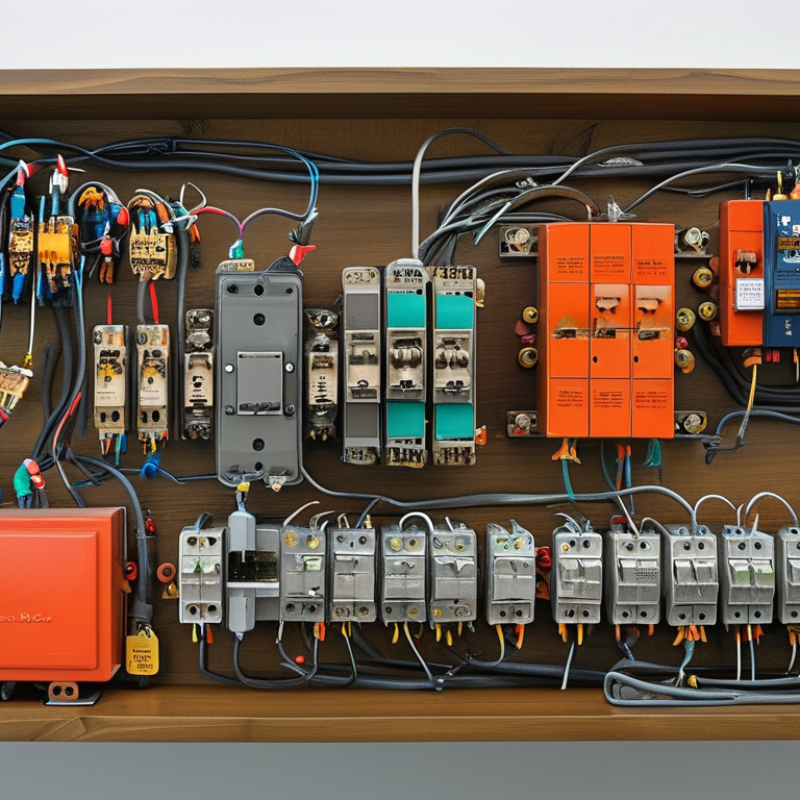
What is a Junction Cabinet?
A junction cabinet is a crucial component in electrical and networking installations. It serves as a safe enclosure for various wiring and connections. These cabinets protect sensitive electrical components from environmental factors and physical damage. They are often used in industrial settings and commercial buildings.
Junction cabinets come in various sizes and materials. This versatility allows them to fit different applications. The choice of material can affect durability and performance. For instance, metal cabinets offer enhanced protection compared to plastic ones. However, weight and cost are essential factors to consider. Understanding specific project needs is vital.
While junction cabinets provide numerous benefits, challenges may arise. Installation can be complex, requiring skilled labor. Moreover, maintaining these cabinets requires periodic checks. Users must ensure connections remain secure and free from corrosion. Addressing these issues early can prevent costly downtime.
Junction Cabinet Benefits for Global Buyers
Key Features of Junction Cabinets
Junction cabinets play a crucial role in efficient electrical systems. They serve as protective enclosures for wiring and electrical components. Designed to withstand various environmental factors, these cabinets are essential for ensuring safety and longevity.
One key feature of junction cabinets is their robust construction. Typically made from durable materials like stainless steel or aluminum, they resist corrosion. According to recent industry reports, the global junction cabinet market is projected to grow by 5% annually. This indicates a rising demand for systems that prioritize safety and reliability.
Moreover, junction cabinets come with customizable options. Users can select size, mounting style, and internal configurations to fit specific needs. This flexibility allows for optimized use in diverse settings, from industrial plants to commercial buildings. Additionally, the accessibility of these cabinets can enhance maintenance efficiency, reducing downtime for crucial systems. However, installation remains a challenge for some, emphasizing the need for proper training and support.
Benefits of Junction Cabinets for Global Buyers
Junction cabinets play a crucial role in the electrical and telecommunications sectors. They serve as robust enclosures for essential electronic components. For global buyers, the benefits of these cabinets are significant. A recent industry report highlighted that the demand for junction cabinets is projected to grow by 6% annually through 2025. This growth is largely driven by the rise of renewable energy installations and increased urbanization.
Junction cabinets offer enhanced protection against environmental factors. They shield vital components from moisture, dust, and extreme temperatures. This protection extends the lifespan of equipment, which is crucial for maintaining operational efficiency. Additionally, the cabinets can be customized to fit various applications, allowing for greater flexibility in design. Many global buyers are increasingly seeking such tailored solutions.
Tip: Consider the material used in junction cabinets. High-quality materials can improve weather resistance and durability.
Investing in junction cabinets can lead to long-term cost savings. Reduced maintenance and replacement expenses are key benefits. However, buyers must weigh the initial investment against potential savings. Custom solutions might come at a premium but can offer significant returns over time. Think critically about your needs before making decisions.
Tip: Conduct a cost-benefit analysis to understand longer-term savings.
Applications of Junction Cabinets in Various Industries
Junction cabinets play a crucial role across various industries by providing a safe and organized environment for electrical connections. In manufacturing, these cabinets house control panels and wiring for machinery. This ensures that operations run smoothly and prevents faults that could lead to costly downtime. Properly installed junction cabinets reduce maintenance needs, allowing manufacturers to focus on productivity.
In the telecommunications sector, junction cabinets are utilized to protect sensitive equipment from environmental factors. They serve as a hub for distributing signals, enhancing network efficiency. The cabinets ensure that connections remain secure, which minimizes interruptions. However, as technology advances, some installations may become outdated. Regular assessments can help determine if upgrades are necessary.
Utilities also benefit from junction cabinets, as they ensure reliable connections in power distribution systems. They protect critical components from weather and tampering. While the benefits are significant, there’s a growing concern regarding the accessibility of these installations. Ensuring they are not only secure but also serviceable is essential. Balancing security with accessibility often requires careful planning and continual review.
Considerations for Purchasing Junction Cabinets
When considering the purchase of junction cabinets, several critical factors come into play. Typically, these cabinets are used for housing electrical connections and facilitating network infrastructure. According to a recent market report, the global junction cabinet market is projected to grow at a CAGR of 5.7% from 2022 to 2027. This growth indicates an increasing reliance on efficient power distribution solutions.
Buyers should examine the material quality. Weather-resistant materials extend lifespan and reduce maintenance needs. A cabinet made from stainless steel can withstand harsh environments better than plastic counterparts. Additionally, securing proper certifications ensures reliability and compliance with industry standards.
Tip: Always check for the ingress protection (IP) rating. A higher IP rating indicates better protection against dust and moisture.
Another consideration is sizing. An undersized cabinet may lead to overheating and equipment failure. Industry reports indicate that proper thermal management is crucial, as overheating accounts for up to 30% of equipment failure in electrical systems.
Tip: Assess future scalability needs. Planning for additional equipment can save costs in the long run.
What is a Junction Cabinet and Its Benefits for Global Buyers? - Considerations for Purchasing Junction Cabinets
| Feature | Description | Benefits | Considerations |
| Material | Typically made from steel or aluminum | Durability and resistance to environmental factors | Ensure proper material selection based on environment |
| Size | Available in various sizes to accommodate different needs | Flexibility in installation and usage | Measure required space accurately before purchase |
| Protection Level | IP ratings indicate resistance to dust and water | Enhanced safety for electrical components | Choose appropriate IP rating for specific applications |
| Ventilation | Features vents or cooling systems | Prevents overheating of electrical equipment | Evaluate the need for cooling based on equipment load |
| Security Features | Lockable doors and secure mountings | Protection against theft and tampering | Consider the level of security required for the installation site |