
If you are interested in financing to fund your Bay-Lynx purchase, we recommend that you connect with Easylease Corp., a Canadian-based leasing and finance company that offers premier equipment leasing and financial services. They are focused on making it easier than ever before for companies to overcome cash flow and resource constraints to acquire the assets they need to grow their business.
Leasing through Easylease Corp. can offer several benefits:
Click here for your Canadian instant lease quote >>
For US customers, Click here for your instant lease application >>
Choosing a Food Sealing Machine is not just a matter of comparing speed or price. Buyers must match the sealing method to the product, packaging material, production volume, and available floor space. A small bakery sealing stand-up pouches has different needs from a beverage plant handling thousands of containers each hour. The wrong fit can mean uneven seals, wasted film, and avoidable downtime.
“Reliable sealing starts with matching the machine to the package and the production process.” This is an editorially created quotation for fictional food-packaging specialist Alex Morgan, not a statement from a real, independently verified expert. It captures a practical point: machine performance depends on more than its headline output. Seal width, temperature control, changeover time, cleaning access, and operator training all matter. A firm seal should be consistent without damaging the package.
This guide compares common options, including band sealers, vacuum sealers, tray sealers, induction sealers, and form-fill-seal systems. Each serves a different task. A vacuum unit can help remove air from suitable packs, while an induction system seals compatible containers beneath their caps. Not every product needs the most automated line. Sometimes a compact machine is the sensible choice. Buyers should also verify that equipment and packaging meet applicable food-safety and technical requirements in their markets. A useful comparison begins with the product, the package, and the real production target—not a glossy brochure.
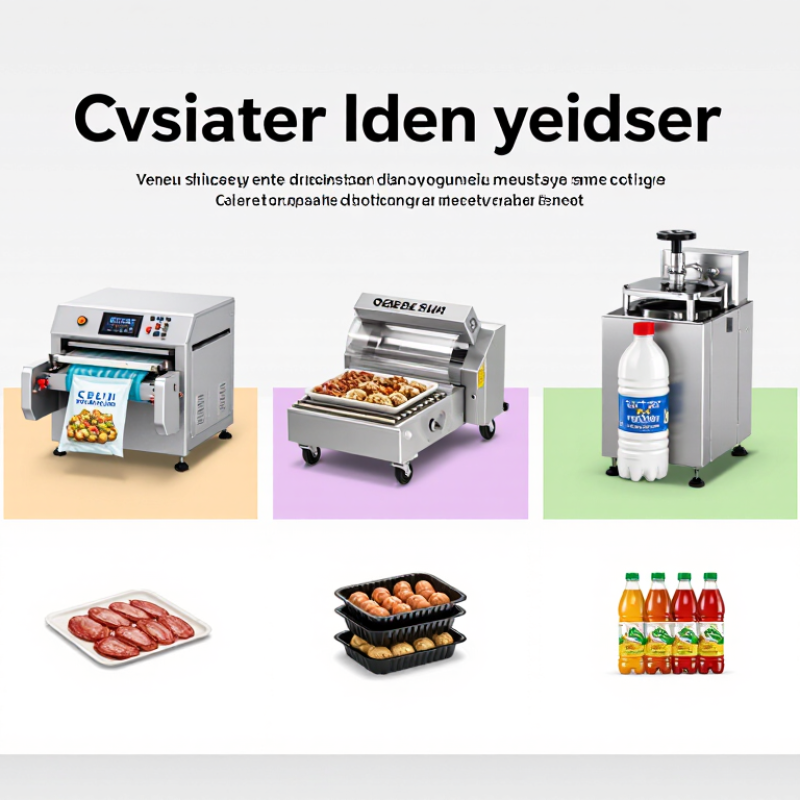
Food sealing machines help control oxygen, moisture, dust, and handling risks after processing. Their value depends on choosing the right sealing method for each product.
Heat sealers close thermoplastic film with controlled temperature, pressure, and dwell time. They suit pouches, trays, and many flexible packages.
Vacuum sealers remove air before sealing, slowing oxidation and reducing package volume. They work well for meat, cheese, and other products sensitive to air exposure.
Modified atmosphere systems replace part of the internal air with selected gases. This can help preserve color and texture, but gas balance must match the food.
Small details matter. I have seen weak seals caused by food particles trapped across the sealing area. A clean sealing edge is essential. Operators should check seal width, surface temperature, pressure, and cooling time during production. Packaging film must also be compatible with the machine and the product’s storage conditions.
No seal is perfect.
Humidity, punctures, and uneven filling can still damage protection. Vacuum packaging may also create a false sense of safety if refrigeration is neglected. Regular leak testing and visual inspections provide practical evidence that packages remain secure. Records of seal checks improve traceability and reveal recurring problems, although they require discipline. Machines should be cleaned according to documented procedures, with special attention to product-contact areas and hard-to-reach corners.
Top Food Sealing Machine Types for Global Buyers
Main Types of Food Sealing Machines and Their Operating Methods
Food sealing machines protect products from moisture, oxygen, leakage, and handling damage. FAO’s State of Food and Agriculture 2019 estimated that 14% of food is lost between harvest and retail. Reliable sealing cannot solve every loss, but poor sealing can accelerate it.
Impulse sealers use short electrical pulses to heat thermoplastic film. They suit low-volume work, pouches, and frequent size changes. Constant-heat sealers maintain heated jaws for coated films and thicker laminates. Their pressure and temperature must stay balanced. Too much heat wrinkles film; too little creates weak channels.
Band sealers move bags through heated blocks and cooling sections. They support continuous production and often include date coding. Vacuum sealers first remove air, then close the bag with a heated bar. They help reduce oxidation, but soft foods may deform under strong vacuum. Tray sealers press lidding film onto prepared trays, while modified-atmosphere systems replace air with selected gases before sealing. The method changes shelf-life behavior.
Smithers forecasts global packaging demand to exceed US$1.2 trillion by 2028, increasing pressure for efficient equipment and lighter materials. That forecast does not mean every plant needs automation. Small producers may gain more from stable temperature control and clean sealing surfaces. I have seen specifications look impressive, yet real performance suffered from wet film edges. The overlooked detail is often sanitation.
A perfect seal begins with a clean contact area.
| Machine Type | Operating Method | Common Packaging Materials | Typical Products | Typical Throughput | Main Advantages | Key Limitations |
|---|---|---|---|---|---|---|
| Impulse Heat Sealer | The operator places the open bag between heated sealing jaws. Electrical current heats the element for a preset time, then pressure is maintained while the seal cools. | Polyethylene, polypropylene, laminated films, and other heat-sealable thermoplastic films. | Dry foods, snacks, grains, powders, bakery items, and small retail bags. | Usually manual or semi-automatic; approximately 5–25 bags per minute depending on bag size and operator speed. | Low initial cost, compact design, simple controls, and low energy use because the heater is energized only during sealing. | Requires manual bag handling and is not ideal for high-volume production or heavily contaminated sealing areas. |
| Constant Heat Sealer | Two heated jaws remain at a controlled temperature. The bag is positioned between the jaws, and pressure and dwell time create the seal. | Thicker polyethylene, coated films, foil laminates, cellophane laminates, and other heat-sealable structures. | Moist foods, frozen foods, confectionery, liquid-containing pouches, and products requiring a stronger seal. | Generally manual or semi-automatic; approximately 4–20 bags per minute. | Suitable for thicker films and provides consistent heat across the sealing jaws. | Higher energy consumption and greater risk of film distortion if temperature or dwell time is set incorrectly. |
| Continuous Band Sealer | A motor-driven belt carries the filled bag through heated sealing blocks, pressure rollers, and a cooling section. The bag is sealed continuously without stopping the conveyor. | Polyethylene, polypropylene, laminated films, and heat-sealable gusseted or flat bags. | Grains, snacks, pet food, powders, spices, frozen products, and agricultural foods. | Approximately 10–30 bags per minute, depending on bag width, product flow, and conveyor speed. | Higher productivity than manual jaw sealers, uniform seals, and suitability for long production runs. | The bag opening must be relatively clean and flat; it is less suitable for irregular, wet, or oversized bag mouths. |
| Vertical Continuous Band Sealer | The bag travels vertically through heated belts and pressure rollers. The vertical layout helps handle products that settle toward the bottom of the package. | Heat-sealable plastic films, laminated pouches, and lined paper or foil bags. | Powders, granules, flour, rice, seeds, pet food, and other free-flowing products. | Approximately 8–25 bags per minute, depending on package dimensions and product characteristics. | Reduces the chance of product entering the seal area and can be integrated with filling and weighing equipment. | Needs sufficient floor clearance and accurate control of bag alignment and fill height. |
| Vacuum Chamber Sealer | The open bag is placed inside a chamber. Air is evacuated, the bag mouth is heat-sealed, and the chamber returns to atmospheric pressure before opening. | Vacuum pouches, multilayer barrier films, nylon/polyethylene pouches, and other heat-sealable high-barrier bags. | Fresh meat, seafood, cheese, prepared foods, marinated products, and products sensitive to oxygen. | Usually 1–4 cycles per minute, depending on chamber size, pump capacity, and sealing configuration. | Removes air from inside the package, helps reduce oxidation, and supports compact, low-air packaging. | Longer cycle time, higher equipment cost, and possible compression or deformation of delicate products. |
| Nozzle-Type Vacuum Sealer | A vacuum nozzle is inserted into the package opening to extract air. The nozzle retracts, and heated jaws seal the bag. | Vacuum pouches, barrier bags, and large-format heat-sealable bags. | Large cuts of meat, seafood, bulk foods, vegetables, and products in oversized bags. | Approximately 1–8 bags per minute, depending on package volume and vacuum level. | Handles larger packages than many chamber machines and offers flexible package positioning. | Requires careful nozzle placement and is more exposed to liquid carryover and contamination at the bag opening. |
| Tray Sealer | A filled tray is positioned in a die. A film lid is heated and pressed against the tray flange to create a perimeter seal; optional gas flushing may be used. | Rigid plastic trays with compatible lidding films, including polypropylene, polyethylene terephthalate, and multilayer barrier films. | Fresh meat, poultry, seafood, ready meals, cut fruit, salads, and bakery products. | Approximately 2–20 trays per minute, depending on the number of cavities and sealing cycle. | Creates an attractive retail presentation and can support vacuum skin or modified-atmosphere packaging. | Requires compatible trays and tooling; format changes can take time and increase operating cost. |
| L-Bar Shrink Sealer | A product is enclosed in shrink film. An L-shaped heated bar cuts and seals two film edges, after which a shrink tunnel or heat gun tightens the film around the package. | Polyolefin, polyethylene, and PVC shrink films, subject to food-contact and application requirements. | Multipacks, bakery boxes, produce trays, cartons, and secondary food packaging. | Approximately 5–20 packs per minute, depending on operator loading and shrink-tunnel speed. | Provides tamper-evident outer packaging and bundles multiple items efficiently. | Primarily a secondary-packaging solution and does not replace an airtight primary food package. |
| Ultrasonic Sealer | High-frequency mechanical vibrations generate localized heat at the film interface, joining compatible thermoplastic layers under pressure. | Thermoplastic films and selected multilayer laminates containing compatible sealant layers. | Liquid, viscous, dusty, or particulate foods where product contamination in the seal area is a concern. | Often integrated into form-fill-seal or specialized packaging lines; speed varies widely by package format. | Can seal through small amounts of product contamination and produces a narrow, clean seal with limited heat transfer. | Higher equipment and tooling cost; film construction and machine settings must be carefully matched. |
| Form-Fill-Seal Machine | The machine forms a pouch from a roll of film, doses the product, and seals the longitudinal and transverse seams in an automated sequence. | Heat-sealable roll stock, including polyethylene-based films, polypropylene films, laminates, and barrier structures. | Snacks, powders, granules, liquids, sauces, coffee, frozen foods, and many single-serve products. | Typically about 20–100 or more packs per minute, depending on the machine format, filling system, and product. | High automation, efficient use of roll stock, consistent package dimensions, and easy integration with dosing equipment. | Higher capital cost, more complex setup, and greater dependence on accurate film tracking and product dosing. |
Note: Throughput figures are typical planning ranges rather than fixed machine specifications. Actual performance depends on package size, film structure, product characteristics, operator handling, sealing temperature, dwell time, and required seal quality.
Impulse sealers suit small and medium bags containing snacks, dried fruit, spices, or frozen portions. They work well with thermoplastic films such as polyethylene and polypropylene. Operators place the open edge between heated bars, then apply pressure for a short cycle. Seal width and temperature must match the film. A clean-looking seal can still fail.
Continuous band sealers fit higher-volume packaging lines. They handle pouches filled with grains, powders, pet food, and dry bakery products. Horizontal models suit stable bags, while vertical models reduce powder entering the seal area. Nitrogen flushing can help protect sensitive products, but it requires controlled gas flow. Dust remains a practical problem.
Vacuum chamber machines are useful for fresh meat, seafood, cheese, and prepared foods in barrier pouches. They remove air before sealing, reducing package volume and limiting oxidation. Tray sealers fit ready meals, cut vegetables, fruit portions, and chilled foods packed in rigid trays. They can apply lidding film, modify the atmosphere, or create leak-resistant seals. Moisture and product height affect performance more than many buyers expect. Packaging trials should test seal strength after refrigeration, handling, and transport. Local electrical requirements, food-contact materials, cleaning access, and spare heating elements also deserve attention. The cheapest machine may become expensive when changeovers are slow.
Choosing a food sealing machine starts with production reality, not catalog speed.
Continuous band sealers suit steady lines and laminated pouches. Impulse sealers fit smaller batches and changing bag sizes. Vacuum and gas-flush machines protect products needing longer shelf life. Tray sealers support ready-meal formats, but they demand accurate tray loading. Ultrasonic systems can reduce heat exposure, although their tooling costs require careful review.
Compare rated output with usable output. A machine claiming 60 packs per minute may slow sharply with wet rims, uneven fills, or frequent film changes. PMMI industry reports identify labor availability, automation, and line efficiency as continuing packaging priorities.
Therefore, examine changeover time, sensor accuracy, seal-jaw access, and operator training. A ten-minute cleaning delay repeated twelve times daily can outweigh a higher headline speed. Small details matter.
Material compatibility is equally important.
Test polyethylene, polypropylene, laminates, and recyclable mono-material films under real product conditions. Smithers packaging research continues to highlight sustainability pressure and the need for improved recyclable structures. However, recyclable film may require a narrower sealing window. That can expose weak temperature control.
Check seal strength, oxygen leakage, energy use, spare-part access, and data logging. Grand View Research estimates continued growth in the food packaging machinery market, but market growth does not guarantee suitability.
I would request a witnessed trial using the exact pouch, filling weight, and shift pattern. The first test may fail. That failure is useful.
Top Food Sealing Machine Types for Global Buyers
Global buyers should match the sealing method with the product, film, and distribution climate. Continuous band sealers suit dry powders, snacks, and flexible pouches. Vacuum sealers protect chilled products by removing air before closing the pack. Tray sealers work well with prepared foods, but they require accurate tray dimensions and compatible lidding films. Induction sealers support bottle closures, although they need suitable foil liners and container materials.
Safety requirements must be verified before purchase. The World Health Organization estimates that contaminated food causes 600 million illnesses and 420,000 deaths annually. Reliable sealing helps reduce exposure, but it cannot replace hygiene controls. Buyers should request risk assessments based on ISO 12100 and electrical documentation aligned with IEC 60204-1. Emergency stops, guarded heaters, temperature limits, and washable contact surfaces matter. Small design details matter.
Packaging compatibility deserves equal attention. A film may wrinkle, melt, or produce weak seals when temperature and pressure are poorly matched. Packaging trials should measure seal strength, leak resistance, and opening performance after transport. ASTM F88 and ASTM F2096 provide useful testing references. The OECD reported 353 million tonnes of plastic waste globally in 2019, with packaging among the largest uses. Therefore, recyclable structures deserve evaluation, but “recyclable” claims still require local verification. I would not approve a machine from catalog data alone. Test real materials, filled packs, and worst-case storage conditions before committing.
Typical throughput ranges for common food packaging sealing machines. Actual performance depends on package size, film structure, sealing width, operator workflow, product condition, and local electrical and safety requirements.
Impulse sealers are suitable for low-volume flexible packaging, while continuous band, tray, vacuum, and induction systems support higher-volume or specialized applications. Buyers should verify food-contact compliance, guarding, temperature control, voltage compatibility, and packaging-material compatibility before selection.