
Financing

If you are interested in financing to fund your Bay-Lynx purchase, we recommend that you connect with Easylease Corp., a Canadian-based leasing and finance company that offers premier equipment leasing and financial services. They are focused on making it easier than ever before for companies to overcome cash flow and resource constraints to acquire the assets they need to grow their business.

Leasing through Easylease Corp. can offer several benefits:

  • Conserve Cash Leasing
  • 100% Financing
  • No Pre-Payment of Taxes
  • Preserve Lines of Credit
  • Potential Income Tax Benefits
  • Pay as You Profit
  • Match Revenue with Expenditures
  • Simple, Convenient Process
  • Tailored Payments

Click here for your Canadian instant lease quote >>

For US customers, Click here for your instant lease application >>

How to Choose the Best Plywood for Your Project Needs?

Choosing the right Plywood for your project is crucial. Plywood is a versatile material used in various applications, from furniture to construction. However, not all plywood is created equal. Understanding the differences among grades, types, and thicknesses is essential.

A project’s success can hinge on the proper selection of plywood. For instance, marine-grade plywood excels in moisture resistance, while standard plywood may warp in humid conditions. The right type can make or break the durability of your creation.

While many assume that price alone dictates quality, this isn’t necessarily true. Sometimes, cheaper options lead to greater expenses in the long run. It's worth considering what you truly need. Experimenting with different types can offer surprising insights. Recognizing these details is key to making an informed choice.
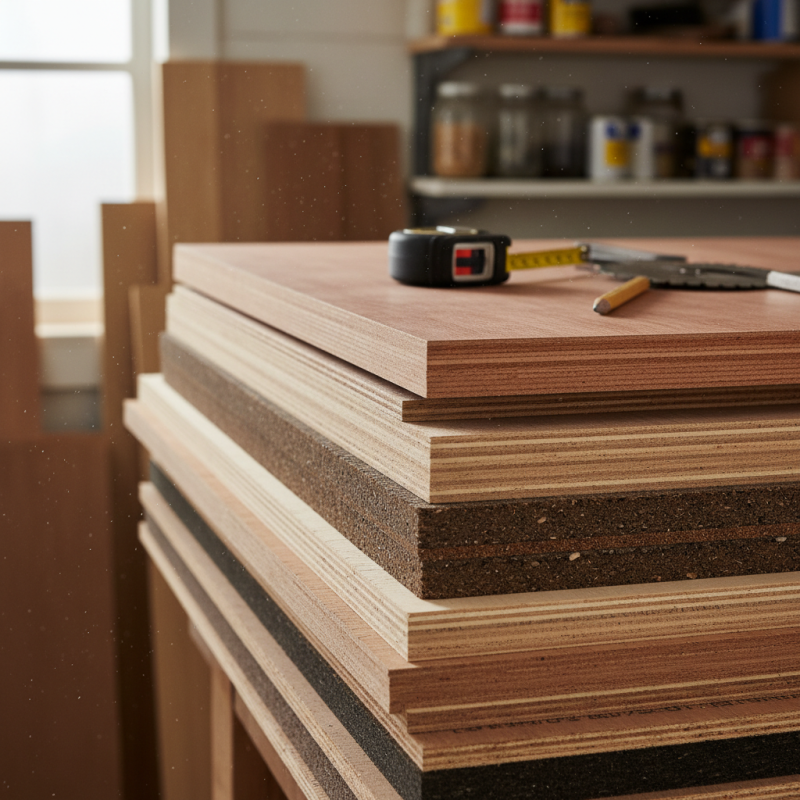
How to Choose the Best Plywood for Your Project Needs?

Understanding Different Types of Plywood and Their Uses

When selecting plywood, understanding the types available is crucial. Plywood is made from thin layers of wood veneer, glued together. Each type has unique properties suited for different projects. For example, marine plywood is designed for wet environments, making it ideal for boats and outdoor furniture. In contrast, construction-grade plywood is often used for structural applications. Knowing these distinctions helps in choosing the right type.

Tips: Always consider the environment where your plywood will be used. Will it face moisture? Choose marine or exterior-grade plywood. Also, thickness matters. Thicker plywood offers more stability and can carry more weight. Yet, it can be overkill for some projects.

Another option is birch plywood, known for its strength and smooth surface. It’s perfect for cabinetry and interior applications. However, it can be more expensive than other types. Reflect on what your budget allows and whether the benefits justify the cost. Making a well-informed choice ensures your project stands the test of time.

Types of Plywood and Their Common Uses

Evaluating Plywood Grades for Quality and Performance

When evaluating plywood grades, it’s essential to understand the implications of quality and performance. Plywood is classified into several grades, from A to D. Grade A is the highest, featuring a smooth surface and minimal imperfections. In contrast, Grade D has significant knots and defects. According to the Plywood Association, higher-grade plywood can carry a greater load and withstand environmental factors better than lower grades.

Choosing the right plywood affects durability and aesthetics. For example, a project requiring exposure to moisture benefits from exterior-grade plywood. This type generally contains phenolic adhesives, making it water-resistant. A study by the Forest Products Laboratory indicates that properly chosen plywood can last up to 25 years in appropriate conditions. However, some users overlook testing and certification standards.

Understanding the details of plywood grades enhances project outcomes. While higher grades may offer superior performance, cost considerations cannot be ignored. The price difference can be substantial, pushing some towards lower-quality options. This choice may lead to failures or reduced lifespan. It’s crucial to weigh these factors carefully. The ideal plywood grade aligns with project needs, usability, and budget constraints.

Assessing Thickness and Size Requirements for Your Project

Choosing the right thickness and size of plywood is critical for your project's success. According to industry reports, projects requiring structural integrity often benefit from thicker materials. Plywood options range from 1/8 inch to 1 inch or more, with ¾ inch being a common choice for flooring or cabinetry. Thicker plywood offers better load-bearing capacity, but it may not be necessary for lighter applications.

When assessing your project's needs, consider the span between supports. For example, a ½ inch plywood may suffice for shelf applications. However, if it spans more than 24 inches, opting for ¾ inch is advisable. It enhances durability and reduces flexing. Depending on the project’s scale, size also matters. Sheets usually come in 4x8 feet sizes, but custom sizes are available. Know your space constraints to avoid waste or undesirable cuts.

Remember, the type of project influences the choice. A decorative accent may not demand the same thickness as a load-bearing beam. Reflect on the specific requirements before making a purchase. This assessment can save time and costs in the long run. Ultimately, prioritizing the right thickness and size will lead to a more robust and visually appealing outcome.

Considering Environmental Factors in Plywood Selection

When choosing plywood, consider environmental factors carefully. The production process impacts forests, air quality, and water. Opt for plywood sourced from sustainable forests. Look for certifications that ensure responsible forestry practices. This supports ecosystems and reduces deforestation.

Understanding plywood's environmental impact is crucial. Some adhesives emit harmful VOCs. These can contribute to indoor air pollution. Choosing low-emission options benefits both health and the environment. It’s not just about the wood; it's also about how it’s manufactured.

Tips: Check for third-party certifications. This adds reliability to your choices. Research local suppliers who practice ethical logging. Analyze where your plywood comes from. Reflect on the life cycle of your materials. Remember, every choice shapes our planet's future.

Comparing Cost and Budget Constraints When Choosing Plywood

When choosing plywood for a project, understanding cost and budget constraints is essential. According to the 2022 Economic Forecast by the Wood Products Manufacturer Association, plywood prices have fluctuated significantly over recent years. The average cost per sheet can range from $25 to $100, depending on the grade and type. This broad price range can cause challenges in budget planning, especially for large-scale projects.

One key aspect is the balance between quality and price. Higher-grade plywood may provide better durability and aesthetic appeal, but it strains budgets. A report by the American Plywood Association suggests that using lower-grade plywood in hidden areas can reduce costs. Still, this approach could pose risks if not carefully implemented. Understanding the intended use of each plywood type is critical in making financially sound choices.

Frugal choices often come with trade-offs. For example, opting for cheaper plywood may lead to increased maintenance costs down the line. Various studies indicate that investing in higher-quality materials can mean fewer repairs and replacements. These decisions significantly impact overall project longevity and budget sustainability. Always consider both immediate expenses and long-term implications when selecting plywood for your needs.

How to Choose the Best Plywood for Your Project Needs?

Plywood Type Thickness (inches) Cost per Sheet ($) Best Use Durability Rating
Hardwood Plywood 0.75 50 Furniture High
Softwood Plywood 0.5 30 Construction Medium
Marine Plywood 0.625 70 Boats Very High
Birch Plywood 0.75 60 Cabinetry High
OSB (Oriented Strand Board) 0.5 25 Subflooring Low

Article Source: