If you are interested in financing to fund your Bay-Lynx purchase, we recommend that you connect with Easylease Corp., a Canadian-based leasing and finance company that offers premier equipment leasing and financial services. They are focused on making it easier than ever before for companies to overcome cash flow and resource constraints to acquire the assets they need to grow their business.
Leasing through Easylease Corp. can offer several benefits:
Click here for your Canadian instant lease quote >>
For US customers, Click here for your instant lease application >>
When embarking on construction projects, choosing the right electric cement mixer is crucial. This tool significantly impacts your workflow and results. An electric cement mixer simplifies mixing tasks, making both large and small projects efficient.
You may find various models available in the market. Each one has unique features and specifications. Some mixers are portable, while others have larger capacities. It can be challenging to determine which one suits your needs best. You might regret your choice if you don’t consider the specifics, like power and volume.
Evaluate your project requirements carefully. Think about the types of materials you'll mix and the frequency of use. A well-chosen electric cement mixer can save you time and effort. Still, a poor choice can lead to delays and frustration. Always do thorough research before making a decision.
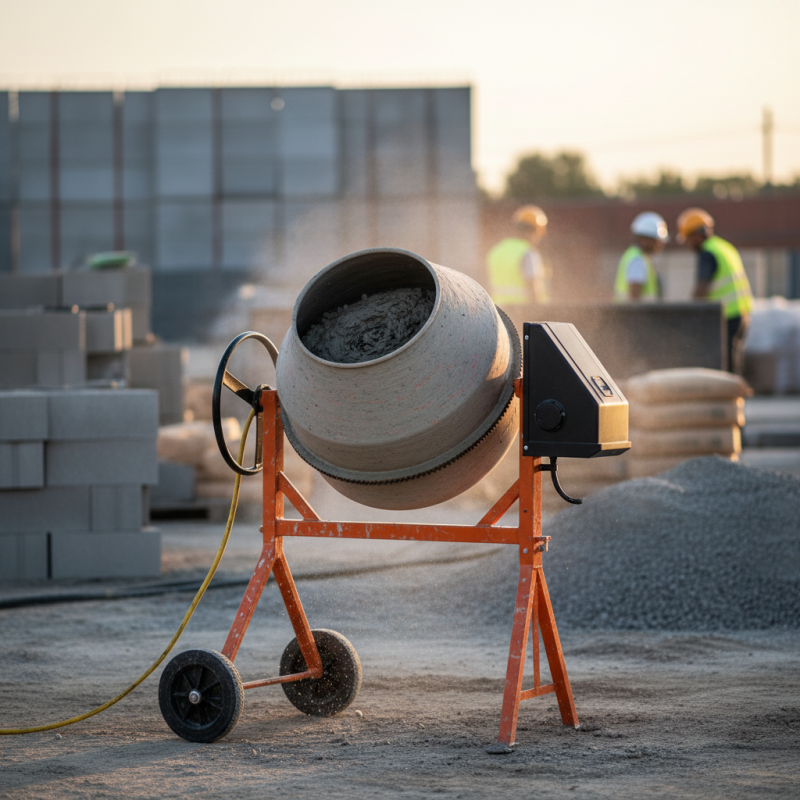
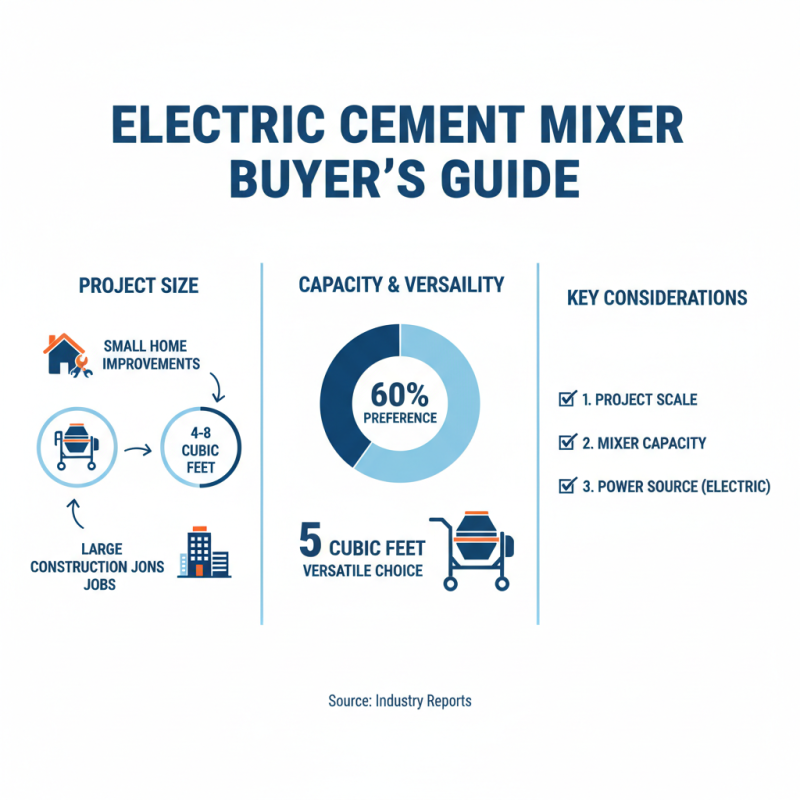
When selecting an electric cement mixer, understanding your project’s needs is crucial. Different projects require different capacities and features. For small home improvements, a portable mixer with a capacity of 2 to 3 cubic feet may suffice. However, larger construction jobs often need mixers that can handle 4 to 8 cubic feet. According to industry reports, approximately 60% of users prefer mixers with a 5 cubic feet capacity for versatility.
Consider the power of the mixer. Models with a higher wattage typically mix faster and more thoroughly. A 1.5 to 2.0 horsepower motor is ideal for heavy-duty jobs. Remember, heavier loads mean more stress on the equipment. Therefore, ensure that the motor specifications align with your project’s demands.
Tip: Always evaluate the mixer’s gear system. A direct drive is often more efficient than a chain drive, requiring less maintenance. Think about where you will use the mixer. If space is limited, opt for a compact design. Make a list of your specific requirements before purchasing. In some instances, compromising on features can lead to inefficiencies. Reflect on the overall value rather than just the price.
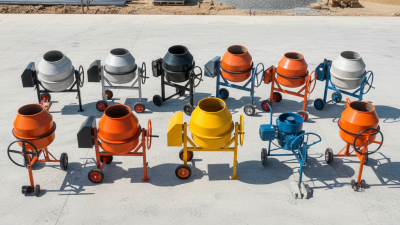
When selecting an electric cement mixer, focus on key features that will enhance your experience. The motor power is vital. A more powerful motor can handle heavier mixes and ensure quicker jobs. Check for the mixer’s capacity, too. A larger drum can mix more material at once but may be harder to maneuver. Balance is key.
Look for portability. Some models have wheels or a compact design, making transport easier. Pay attention to the construction quality. Sturdy materials can prolong the mixer’s life. Safety features are also essential. A reliable mixer should have built-in circuit breakers or automatic shut-offs to prevent accidents. Don't forget to consider the ease of cleaning. Simplicity in this area can make a big difference in your workflow.
Evaluate the noise level too. Some mixers are louder than others, which can be a concern in residential areas. It's worth testing the sound before buying. Tweaking your selection based on these details can help avoid frustration later. Think about how often you will need it and for what projects. This can guide your choice.
When selecting an electric cement mixer, understanding the various types available is crucial. There are
portable mixers, which are great for small to medium projects. These mixers are lightweight and easy to move.
They typically come with a drum capacity of around 3-5 cubic feet. This makes them ideal for homeowners or DIY enthusiasts.
However, they may struggle with larger batches.
On the other hand, stationary mixers are designed for bigger jobs.
They can handle larger volumes of concrete, often exceeding 10 cubic feet. While they may take up more space, their efficiency is unmatched.
If your projects require high output, this type is worth considering. Think about your project size. A mismatch can lead to frustration.
Another type is the mixer with a built-in stand. This design allows for easier access and can reduce fatigue during operation.
However, the price might be higher. Budget constraints can become a factor in your decision-making. Reflect on what works best for your needs.
Each type of mixer has its strengths and weaknesses. Choosing the right one can enhance your work efficiency significantly.
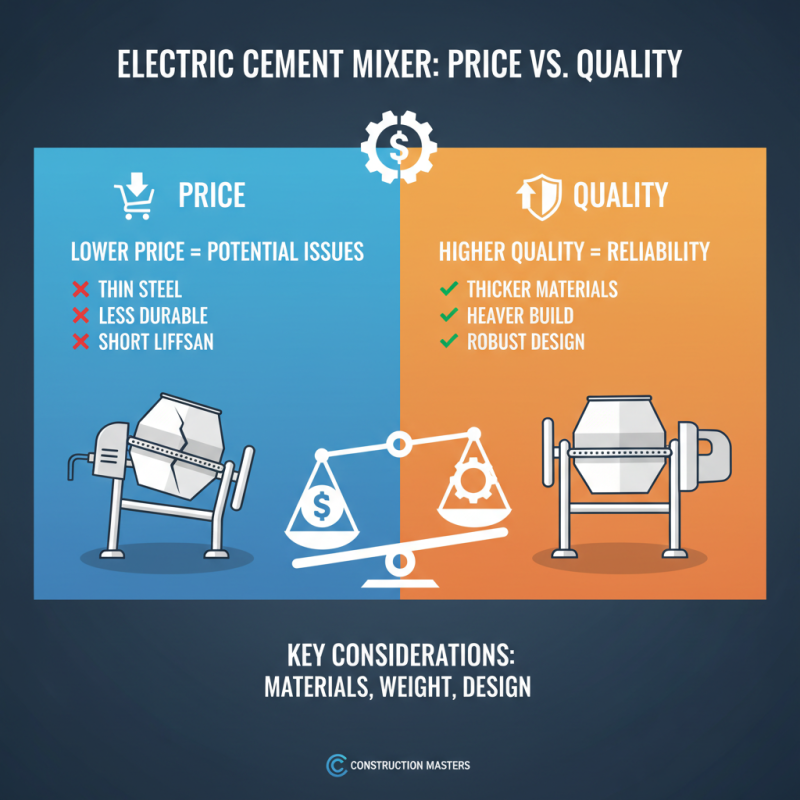
When choosing an electric cement mixer, price and quality often clash. A lower price might attract attention, but the mixer could lack durability. Consider the materials used in construction. Thickness, weight, and overall design matter. Cheaper models might use thinner steel, leading to issues.
On the other hand, higher quality mixers usually come with a bigger price tag. They tend to offer better performance over time. In addition, their parts may be easier to replace. It’s wise to evaluate your project needs. A high-quality mixer can save money in the long run. If a mixer can handle heavy loads without much wear, the initial cost is justified.
Research is essential. Look for reviews and user experiences. Often, a product’s reliability is reflected in its reviews. However, personal experiences can vary. Some users may have unrealistic expectations. A mixer that works well for one project might not suit another. Always reflect on how the mixer will be used. It helps narrow down options, ensuring a better fit for your requirements.
Maintaining your electric cement mixer is crucial for longevity. Regular maintenance ensures smooth operation. Start with cleaning after every use. Remove any leftover concrete to prevent clogs. Spinning the drum regularly helps keep it clear. Dust and debris can shorten your mixer's life.
Check the mixer’s motor often. Overheating can cause serious damage. Let it cool down after heavy usage. Lubricate moving parts to reduce wear. Pay attention to belts and gears; they need to be tight and free of debris. This attention to detail will keep your mixer efficient.
Don’t forget to store your mixer properly. An outdoor environment can lead to rust and damage. If you can, keep it indoors or cover it well. Look for signs of wear regularly. Addressing small issues early can prevent costly repairs later. Ignoring them can lead to bigger problems down the road. A bit of effort now can save time and money later.
| Feature | Importance | Recommendation |
|---|---|---|
| Motor Power (HP) | Higher power allows for mixing larger batches more efficiently. | Choose at least 1.5 HP for heavy-duty tasks. |
| Drum Capacity | Larger capacity is beneficial for larger projects. | Opt for 3 to 5 cubic feet for general use. |
| Weight | Heavier mixers tend to be more stable during operation. | Consider a mixer that is easily portable yet stable. |
| Ease of Use | User-friendly features save time and reduce accidents. | Look for models with adjustable tilting and easy controls. |
| Construction Material | Durable materials ensure longevity and reliability. | Steel drum models usually offer better durability. |
| Maintenance Features | Easier maintenance prolongs the life of the mixer. | Consider models with easy-to-replace parts and clear maintenance instructions. |