
Financing

If you are interested in financing to fund your Bay-Lynx purchase, we recommend that you connect with Easylease Corp., a Canadian-based leasing and finance company that offers premier equipment leasing and financial services. They are focused on making it easier than ever before for companies to overcome cash flow and resource constraints to acquire the assets they need to grow their business.

Leasing through Easylease Corp. can offer several benefits:

  • Conserve Cash Leasing
  • 100% Financing
  • No Pre-Payment of Taxes
  • Preserve Lines of Credit
  • Potential Income Tax Benefits
  • Pay as You Profit
  • Match Revenue with Expenditures
  • Simple, Convenient Process
  • Tailored Payments

Click here for your Canadian instant lease quote >>

For US customers, Click here for your instant lease application >>

How to Choose the Best Sheet Paper Bags Making Machine?

Choosing the right sheet paper bags making machine is crucial for any business in the packaging industry. This decision greatly impacts production efficiency and product quality. A high-quality machine can enhance your operations, while a poor choice can lead to setbacks. Understanding your needs is essential.

There are many factors to consider, including machine speed, durability, and ease of use. A reliable sheet paper bags making machine should be user-friendly and efficient. Look for one that fits your production volume. A machine that can handle a variety of paper types and sizes is a plus.

Not all machines are created equal. Some may promise high output but falter in real-world scenarios. Avoid relying solely on marketing claims. It’s vital to research and read reviews from other users. They provide insights into performance and reliability. Knowing what to prioritize can save time and money in the long run.
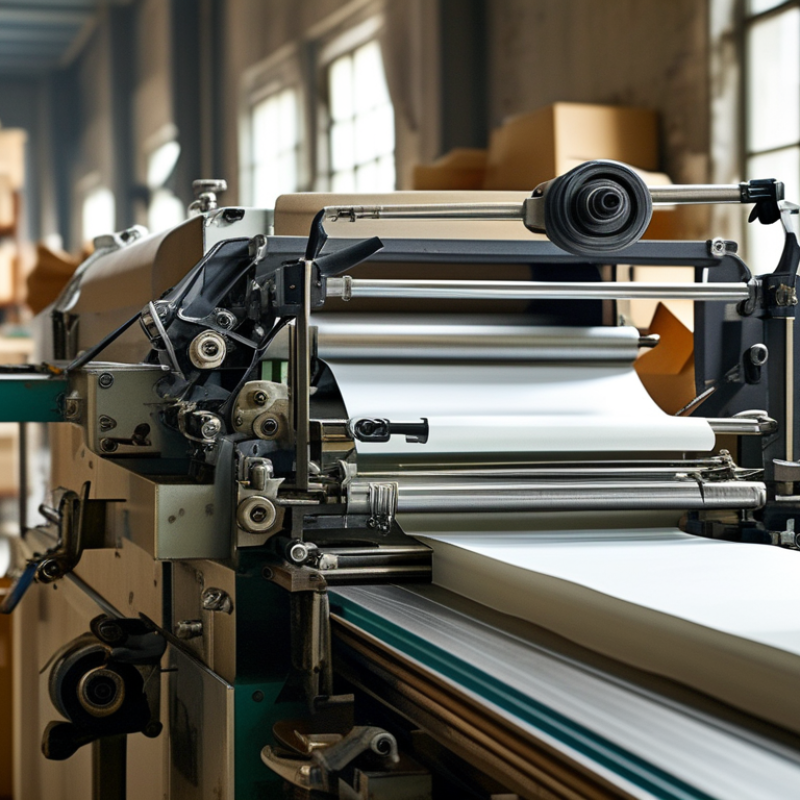
How to Choose the Best Sheet Paper Bags Making Machine?

Understanding Sheet Paper Bag Manufacturing Processes and Technologies

When considering sheet paper bag manufacturing, it's crucial to understand the processes involved. These bags are typically created using flat sheets of paper, which are fed into machines that perform cutting, folding, and gluing. Understanding the specific technologies available, such as automatic vs. semi-automatic machines, can significantly impact productivity and efficiency. Each option has its pros and cons, which require careful evaluation based on your production goals.

Tips: Pay attention to the machine's speed and capacity. A higher speed may seem beneficial, but it could also lead to more waste if not managed properly. Additionally, consider the types of paper that will be processed. Not all machines handle every paper type effectively.

Quality control is essential in this process. Regular checks should be implemented to catch any defects early. Machines may require adjustment or maintenance; neglecting this can result in inconsistent product quality. Rethink your approach to efficiency. Sometimes, slower processes yield better results, especially when ensuring accuracy in cutting and folding.

Key Features to Look for in Sheet Paper Bag Machines

When choosing a sheet paper bag making machine, consider its speed and efficiency. A good machine should produce bags quickly without sacrificing quality. Look for models that offer adjustable speed settings. This allows users to adapt production based on current needs. Machines that can handle various sheet sizes also add versatility. Flexibility is critical, especially for businesses that cater to diverse clients.


Examining the build quality is another important factor. The materials used in construction play a significant role in durability. Choose machines that are robust and feature reliable components. This reduces maintenance costs and downtime. Additionally, look for technology that enables easy operation. User-friendly interfaces can make a significant difference during busy production hours.


Lastly, consider the support and service offered. Access to timely customer support can prevent long interruptions. Machines often need troubleshooting or parts replacement. Reliable service can be a game changer. Overall, emphasizing these features can lead to a more informed decision, but every option has its pros and cons. Take the time to weigh these factors carefully.

Evaluating Production Capacity and Speed in Bag-Making Equipment

When evaluating production capacity and speed in bag-making equipment, several factors come into play. The ideal machine should strike a balance between efficiency and the complexity of operations. Standard speeds often range from 100 to 300 bags per minute. However, machines running too fast may compromise bag quality. It’s crucial to assess how speed impacts the overall production process.

Production capacity should be gauged not only in terms of speed but also durability. A machine that produces quickly but requires frequent maintenance can hinder output. Inconsistencies in bag size can also lead to waste. Additionally, consider how various materials affect production speed. Thicker materials might slow down the process despite the machine’s top speed.

It’s essential to seek a machine that aligns with your business needs. Reflect on how often you plan to upgrade or change production lines. Machines that offer adaptability can save future costs. Balancing between speed and production capacity is key for long-term efficiency and profitability in the bag-making sector. Finding this balance may require trial and error, and that's part of the learning process.

How to Choose the Best Sheet Paper Bags Making Machine?

Machine Model Production Capacity (Bags/Hour) Max Film Width (mm) Speed (m/min) Energy Consumption (kW)
Model A 400 600 80 15
Model B 300 500 75 12
Model C 200 400 70 10
Model D 500 800 90 18

Assessing Material Compatibility and Customization Options

Choosing the right sheet paper bags making machine involves careful assessment of material compatibility and customization options. When selecting a machine, consider the type of paper used. Different machines handle various thicknesses and compositions. Some machines work well with recycled paper, while others are designed for thicker, high-quality sheets. Understanding your specific needs shapes the machine selection process.

Customization options also play a key role. From bag sizes to printing methods, flexibility is important. Look for machines that allow you to adjust dimensions easily. Some models offer features that support custom designs, enhancing brand visibility. However, investing in such a machine requires deeper knowledge of both the capabilities and limitations of these customization features.

Reflect on the long-term needs of your production. Sometimes, a highly specialized machine may not be the best choice. If the demand fluctuates, versatility might be more beneficial. Assess the trade-offs between specialized functions and adaptable designs. This thought process is critical in making an informed decision.

Cost Analysis: Initial Investment vs. Long-term Operational Efficiency

When selecting a sheet paper bags making machine, cost analysis plays a crucial role. The initial investment often seems daunting. High-quality machines may have a steep price, but they tend to offer better performance and durability. Cheaper machines might save money upfront, but they often lead to higher long-term costs. Limitations in efficiency can cause delays and increase labor requirements.

Operational efficiency is the real game-changer. A reliable machine can produce uniform, high-quality bags consistently. This reduces material waste and lowers production costs over time. Additionally, efficiency translates to increased output. A machine that works continuously can significantly boost profits. However, businesses should also consider maintenance costs. Sometimes, machines with lower purchase prices require frequent repairs, which can negatively impact overall savings.

Before deciding, it's crucial to gauge the machine's performance and expected lifespan. Consider industry standards and seek expert advice. Reliability and operational efficiency should weigh heavily in your decision-making process. Sometimes, investing in a more expensive machine pays off in the long run. Careful evaluation of both initial and long-term costs can ultimately safeguard your investment and ensure sustainability.