Financing

If you are interested in financing to fund your Bay-Lynx purchase, we recommend that you connect with Easylease Corp., a Canadian-based leasing and finance company that offers premier equipment leasing and financial services. They are focused on making it easier than ever before for companies to overcome cash flow and resource constraints to acquire the assets they need to grow their business.

Leasing through Easylease Corp. can offer several benefits:

  • Conserve Cash Leasing
  • 100% Financing
  • No Pre-Payment of Taxes
  • Preserve Lines of Credit
  • Potential Income Tax Benefits
  • Pay as You Profit
  • Match Revenue with Expenditures
  • Simple, Convenient Process
  • Tailored Payments

Click here for your Canadian instant lease quote >>

For US customers, Click here for your instant lease application >>

How to Choose the Right Mixer Truck for Your Needs?

Choosing the right mixer truck is crucial in the construction industry. As Mike Johnson, a leading expert in construction logistics, once stated, "Selecting the right mixer truck can make or break a project." This insight highlights the importance of understanding your specific needs before making a decision.

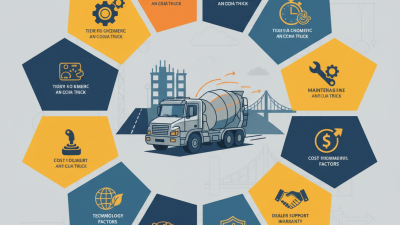
When buying a mixer truck, you must consider several factors. The size and capacity of the truck can greatly affect your operations. A smaller mixer truck may be agile and easier to maneuver on tight job sites. However, larger trucks can deliver more concrete in a single trip, improving efficiency.

It's easy to overlook maintenance costs. Some trucks require more upkeep than others, which can impact your budget. Additionally, evaluating the truck's fuel efficiency is vital. A more efficient mixer truck can save money in the long run. Ultimately, ensure you choose a truck that aligns with your unique project demands. This choice may look simple, but it requires deep consideration.
How to Choose the Right Mixer Truck for Your Needs?

Understanding Mixer Truck Types and Their Applications

When choosing a mixer truck, understanding the types available is crucial. There are several categories of mixer trucks, each designed for specific applications. Transit mixers are commonly used for delivering fresh concrete to construction sites. They can carry about 9 to 12 cubic meters of concrete, depending on their configuration. According to industry data, more than 70% of concrete produced in the U.S. is delivered via this type of truck.

Another type is the volumetric mixer. This truck can mix concrete on-site. It allows the operator to control the exact amount of concrete needed. This flexibility can reduce waste significantly. Studies indicate that volumetric mixers can decrease material costs by up to 15% in certain projects. However, operating this type requires skilled personnel, which can be a challenge.

Choosing the right mixer truck also involves understanding the specific needs of a project. The terrain, capacity, and type of concrete mix required can vary widely. Understanding these factors can prevent costly mistakes. Not all projects allow for transit mixers or volumetric mixers. Some job sites have limited access, prompting the need for smaller, more agile options. Reflecting on these aspects can lead to more informed decisions in mixer truck selection.

How to Choose the Right Mixer Truck for Your Needs?

Mixer Truck Type Capacity (Cubic Yards) Engine Power (HP) Common Applications
Standard Mixer Truck 8 - 12 250 - 400 Residential & Commercial Construction
Mini Mixer Truck 3 - 5 150 - 250 Small Scale Projects, Urban Areas
Volumetric Mixer Truck 10 - 11 200 - 350 On-site Mixing, Custom Mixes
Heavy-Duty Mixer Truck 12 - 14 400 - 500 Large Infrastructure Projects

Key Specifications: Capacity, Engine Power, and Build Quality

Choosing the right mixer truck involves understanding key specifications. Capacity is crucial. Most projects require a mixer truck that can handle substantial volumes of concrete efficiently. For instance, many construction sites prefer trucks with capacities ranging from 6 to 12 cubic meters. However, knowing the expected work volume can prevent under or over-investment in capacity. Avoid trucks that are too big or too small for your needs.

Engine power is another vital aspect. A strong engine ensures efficient operation on various terrains. Reports indicate that mixer trucks often utilize engines ranging from 180 to 350 horsepower. A powerful truck can save time and fuel, making it a better investment in the long run.

Build quality is equally important. Trucks should withstand harsh operating conditions. Look for features like reinforced frames and durable mixing drums. Research by industry experts suggests that quality construction can significantly reduce maintenance costs over time. However, some trucks may skimp on materials to lower prices, risking long-term reliability. Always examine reviews and test trucks before purchasing.

Evaluating Your Project Requirements: Volume and Delivery Distance

How to Choose the Right Mixer Truck for Your Needs?

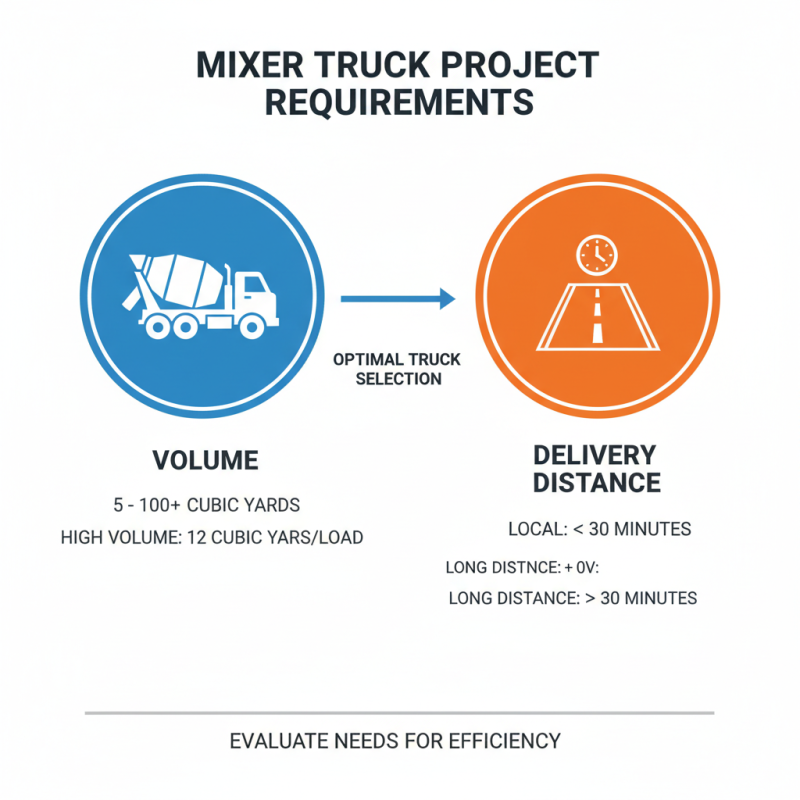
Choosing the right mixer truck begins with understanding your project requirements. One crucial factor is the volume of concrete you will need. According to industry reports, a typical construction project can require anywhere from 5 to over 100 cubic yards. If your project has high volume demands, you might need a larger truck with a capacity of up to 12 cubic yards per load.

Delivery distance is another vital consideration. Trucks can average about 20 miles per hour on job sites, but this can vary with traffic and road conditions. For instance, a project located more than 30 miles from the batching plant may require an alternative logistics strategy. Delays can affect the quality of the concrete. Moreover, understanding the time constraints of your project can lead to better planning.

It's also essential to think about the nature of your project. Will you need multiple loads? Are there challenges in access or terrain? Industry data shows that projects with poor access often incur higher transportation costs. This can be a pitfall if not accounted for early on. Reflect on these factors carefully and ensure you choose a mixer truck that aligns with your specific needs.

Assessing Budget: Costs of Purchase vs. Operating Expenses

How to Choose the Right Mixer Truck for Your Needs?

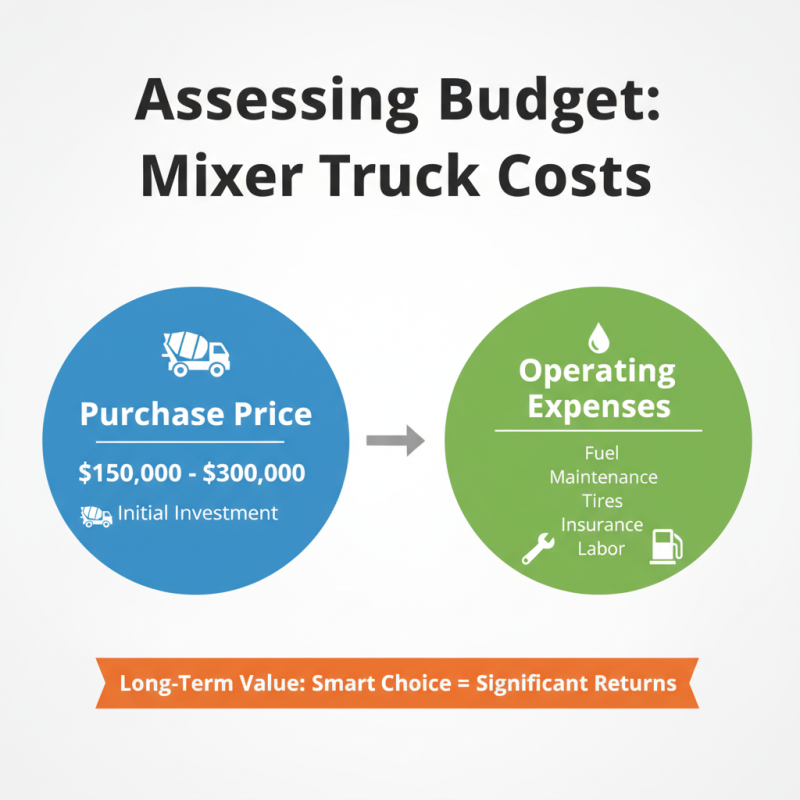
When assessing the costs associated with a mixer truck, both purchase and operating expenses play crucial roles. The initial investment of a mixer truck can range from $150,000 to $300,000, depending on specifications and technology. This might seem hefty upfront. However, a well-chosen truck can yield significant returns over time.

Operating expenses often account for a substantial portion of long-term costs. Fuel consumption averages about 8 to 12 gallons per hour. Maintenance expenses can be another surprise, averaging between $5,000 to $10,000 yearly. Ignoring these factors can lead to financial strain. Companies sometimes underestimate how these costs accumulate.

Considering these aspects can help in making informed decisions. The lifespan of a mixer truck is typically around 10 to 15 years. But unexpected repairs or inefficient models can drastically extend the time to recoup costs. Balancing initial investment with ongoing expenses requires careful thought. Make sure to assess both thoroughly.

Comparing Industry Standards and Compliance Regulations in Mixer Trucks

When selecting a mixer truck, understanding industry standards is crucial. Compliance with local regulations ensures safety and performance. Different regions have varying requirements for weight limits and emissions. Make sure to research local laws before making a decision.


Consider the size of the truck you need. A larger mixer truck may offer more capacity but can be harder to maneuver. Smaller trucks provide advantages in urban settings. Think about where you’ll be operating. It can directly impact your choice.


Tip: Check for certifications and compliance labels on trucks. This can save you from making a hasty decision. Tip: Assess the durability of materials used in construction. Look for trucks built to last under heavy loads. Remember that the cheapest option may not always meet necessary standards. Consider long-term value and maintenance needs.