Why Choose Carbon Steel Pipe for Your Next Project?
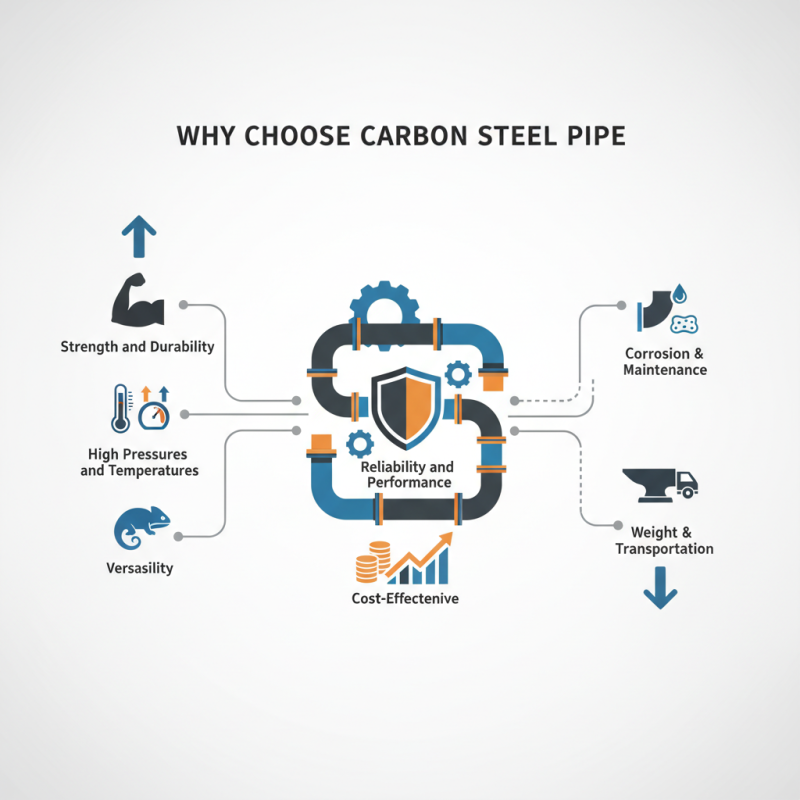
When it comes to project planning, choosing the right materials is crucial. Carbon Steel Pipe stands out as a top choice for various applications. Its strength and durability make it a reliable option in construction and manufacturing.
Many professionals prefer Carbon Steel Pipe due to its versatility. This material can withstand high pressures and temperatures, making it suitable for different environments. However, while it's robust, there are also considerations to keep in mind. Proper maintenance is essential to avoid corrosion over time.
In addition, carbon steel can be heavier than alternative materials. This factor can affect transportation and installation. Despite these aspects, the benefits of Carbon Steel Pipe often outweigh the challenges. Its ability to perform under stress and its cost-effectiveness attract many industry experts. Ultimately, this material represents a blend of reliability and performance in engineering projects.
Key Properties of Carbon Steel Pipe in Construction Projects
Carbon steel pipe is a preferred choice in construction due to its strength and versatility. This type of pipe offers excellent mechanical properties. It can withstand high pressure and stress, making it ideal for heavy-duty applications. The durability of carbon steel pipe contributes to long-lasting structures.
Another key property is its adaptability. Carbon steel can be easily fabricated into different shapes and sizes. This allows it to fit various project requirements. However, it is essential to consider that carbon steel is susceptible to corrosion. Regular maintenance and protective coating can mitigate this issue.
In addition, the cost-effectiveness of carbon steel pipe cannot be overlooked. It typically offers a lower initial investment compared to other materials. This could lead to budget-friendly projects. Yet, project managers should weigh this against potential long-term maintenance costs. Taking time to evaluate these factors is crucial for successful project execution.
Advantages of Using Carbon Steel Pipe Compared to Other Materials
Carbon steel pipes offer numerous advantages over other materials for industrial applications. They are known for their strength and durability, making them ideal for high-pressure systems. According to the American Iron and Steel Institute, carbon steel can withstand substantial stress, which is essential for pipelines carrying oil and gas. This durability often translates into longer service life compared to alternatives like PVC or copper.
Cost-effectiveness is another key advantage. The price of carbon steel pipes is generally lower than that of stainless steel and other alloys. According to a market analysis by Global Industry Analysts, carbon steel pipes can be up to 30% cheaper, providing significant savings over multiple projects. This affordability, combined with their strength, makes them a popular choice in construction and manufacturing.
Tip: Always consider the environment where the pipes will be installed. While carbon steel is strong, it may require protective coatings in corrosive environments.
Another factor to consider is maintenance. Carbon steel can rust if it is exposed to moisture. Regular inspections and protective measures are crucial. The National Association of Corrosion Engineers suggests applying a corrosion-resistant coating to enhance longevity. Despite these challenges, the right maintenance routine can greatly extend the life of carbon steel pipes.
Common Applications of Carbon Steel Pipe in Various Industries
Carbon steel pipes are widely used across various industries due to their strength and versatility. In construction, they are essential for structural frameworks, providing support for buildings and bridges. Their robust nature allows them to withstand heavy loads, making them a go-to choice for engineers. Additionally, these pipes are often found in gas and oil pipelines, where durability is critical for transporting materials safely.
In the automotive and manufacturing sectors, carbon steel pipes are used in the production of machinery and components. Their high resistance to wear and tear contributes to the longevity of products. However, not all applications are flawless. Corrosion can be a concern, depending on the environment and exposure to elements. Proper treatment and maintenance are vital to ensure performance.
The food and beverage industry also utilizes carbon steel pipes for various applications, such as transporting liquids. They have the necessary strength to handle high pressure. Yet, without suitable coatings, they risk contamination. Each industry has unique requirements, highlighting the importance of careful consideration when selecting materials.
Factors to Consider When Selecting Carbon Steel Pipe for Projects
When selecting carbon steel pipes, several factors come into play. The pipe's intended use is paramount. Different applications demand different standards. For example, high-pressure systems require robust materials to withstand stress. In contrast, structural projects may prioritize flexibility and ease of installation.
Another critical factor is the environmental conditions. Carbon steel can corrode in moisture-rich environments. Thus, protective coatings may be necessary. Understanding the local climate can help guide this choice. Additionally, the pipe's diameter and wall thickness need careful consideration. Thick walls offer better durability but may increase costs.
Also, consider the availability of the material. Sourcing carbon steel pipes can be a challenge in certain regions. This can lead to project delays. It’s essential to plan ahead and ensure that enough inventory is available. Not every supplier will have the specific grades needed. Ultimately, balancing these factors can lead to more effective project outcomes.
Maintenance and Longevity of Carbon Steel Pipe Systems
When considering materials for piping systems, carbon steel stands out for its durability and long-term reliability. Carbon steel pipes require careful maintenance to ensure they remain effective over time. Regular inspections are crucial. They help identify rust or corrosion that can develop due to exposure to moisture. Even slight damage can compromise the integrity of the system.
To promote longevity, it’s important to use protective coatings. These coatings can prevent oxidation and other environmental factors that accelerate wear. However, even with the best coatings, maintenance tasks can be overlooked. This may lead to costly repairs down the line. Operators should also keep an eye on leaks and pressure changes, as both issues indicate potential trouble spots.
Another essential aspect is proper installation. If not installed correctly, even carbon steel pipes can fail prematurely. Following guidelines and engaging with professionals can mitigate these risks. While carbon steel pipes have advantages, they are not without challenges. A proactive approach to maintenance will enhance the life span of your piping system.