7 Tips for Buying A3 A4 TPU UV DTF Film Sheets?
Buying A3 / A4 TPU UV DTF Film Sheets requires more than comparing prices or choosing the clearest package. Film size affects layout, printer efficiency, and material waste. A3 sheets suit larger artwork, while A4 sheets help with small orders and simple testing. The correct choice depends on your printer, ink system, curing conditions, and transfer surface.
Mark Coudray, a respected apparel-decoration consultant, offers a useful principle: “The transfer is only as good as the process behind it.” That warning matters when judging A3 / A4 TPU UV DTF Film Sheets. Check the TPU layer, adhesive consistency, print-side coating, release performance, and resistance to curling. Look closely. A glossy surface does not always mean reliable adhesion.
Supplier specifications should list thickness, recommended temperature, storage humidity, and compatible inks. Ask for samples before purchasing a full carton. Print a detailed logo with thin lettering, then test it on glass, metal, acrylic, or another intended surface. Watch for silvering, edge lifting, trapped air, or weak color after application. Small details reveal large problems.
Storage also matters. Keep sheets flat, sealed, and away from heat. Dust can create visible flaws. It sounds minor. It is not. Some buyers focus heavily on print clarity and overlook adhesive behavior. That is an easy mistake. A better buying decision combines technical data, sample testing, supplier support, and realistic production needs. Perfect results are never guaranteed, but careless selection makes failure more likely.
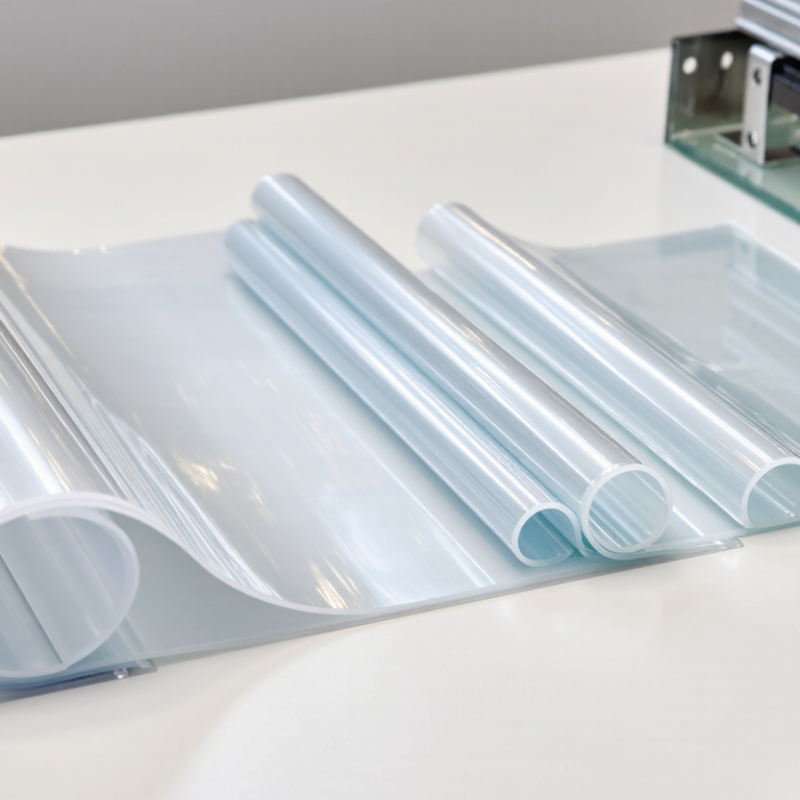
Understanding A3 and A4 TPU UV DTF Film Sheets
Understanding A3 and A4 TPU UV DTF Film Sheets begins with size, flexibility, and transfer behavior. A3 measures 297 × 420 millimeters, while A4 measures 210 × 297 millimeters. A3 suits larger graphics and grouped small designs. A4 reduces waste during sampling or short runs. TPU usually offers soft flexibility, useful for curved surfaces and detailed lettering. However, film thickness varies widely, often around 75–100 microns. Always verify the technical sheet before ordering.
According to Smithers’ 2024 digital print market analysis, digitally printed products continue shifting toward shorter runs and customized production. That trend makes A4 sheets practical for testing artwork, while A3 sheets can improve output efficiency. A 2024 MarketsandMarkets report projects the UV-curable inks market to grow from approximately USD 2.7 billion in 2023 to USD 3.8 billion by 2028. This growth reflects stronger demand for fast curing and durable decorative printing. It does not guarantee every film will perform equally.
Check surface gloss, adhesive activation temperature, storage humidity, and release quality. A clean peel matters. I test one sheet first. Some films curl after printing, especially when stored near heat or moisture. That detail is easy to miss. Confirm printer compatibility, ink adhesion, and pressing conditions with a small sample. I would also compare edge sharpness after washing, not only the fresh appearance. A cheaper sheet may save money initially, but unstable release can create hidden production losses.
Comparing Film Sizes, Materials, and Printing Compatibility
7 Tips for Buying A3 A4 TPU UV DTF Film Sheets
A3 sheets measure 297 × 420 mm, while A4 sheets measure 210 × 297 mm. A3 covers larger phone cases, panels, and curved décor with fewer joins. A4 reduces waste for labels and small test batches. Smithers’ 2024 digital-printing research highlights substrate compatibility as a major workflow factor. Size alone does not guarantee performance. Confirm your printer’s printable area first.
Tips
- Choose A3 for oversized artwork.
- Choose A4 for sampling.
- Check the TPU layer’s flexibility and recovery.
- Confirm the PET carrier’s thickness and flatness.
- Match the film to UV ink curing.
- Test adhesion on glass, plastic, coated metal, and leather-like surfaces.
- Inspect release after lamination.
Small tests matter.
TPU-based films usually bend better than rigid plastic films, but excessive heat can distort them. PET carriers often provide stronger dimensional stability during printing and lamination. A 2023 report from Grand View Research describes digital printing as a growing market, driven partly by short runs and customization. That trend makes sheet efficiency important. Still, market forecasts are not production guarantees.
I would compare three sheets under identical conditions: same artwork, curing power, pressure, and storage time. Check edge lifting after 24 hours. Also inspect fine lettering under angled light. Some films look excellent immediately, then reveal weak adhesion later. Temperature and humidity can quietly change results.
Checking Adhesion, Durability, and Surface Performance
Buying A3 or A4 TPU UV DTF film requires more than checking price. Adhesion, durability, and surface behavior decide the final result. Smithers’ 2024 digital printing analysis reports continued growth in short-run, customized printing. That growth makes consistent film quality more important. Tip 1: Test one sheet on glass, coated metal, plastic, and cotton. Tip 2: Apply firm pressure, then inspect edges after 24 hours. A clean edge matters.
Durability needs practical testing. Tip 3: Rub the transfer with a dry cotton cloth 50 times, then repeat with a damp cloth. Look for cracking, whitening, or color transfer. Tip 4: Bend the decorated surface slowly. A good film should flex without lifting. ASTM D3359 and ISO 2409 provide recognized adhesion-testing methods, although home tests cannot replace laboratory measurements. Tip 5: Check resistance after heat exposure, especially near windows or heated equipment. Small failures appear quickly.
Surface performance is easy to overlook. Tip 6: Inspect the release liner under angled light. Wrinkles, dust, and uneven gloss can create visible defects. Tip 7: Measure printing stability across several sheets, not one perfect sample. Industry testing guidance commonly recommends repeated samples because single results can mislead. My own practical mistake was judging adhesion immediately. It looked excellent, then weakened overnight. Temperature, humidity, ink coverage, and pressing time all influence performance. Sometimes, the “best” sheet needs more curing time.
Evaluating Sheet Quality, Packaging, and Storage Requirements
Buying A3 or A4 TPU UV DTF film sheets requires more than comparing prices. Sheet quality affects feeding, adhesion, color clarity, and transfer consistency. In practical testing, inspect the surface under angled light. It should look even, not oily or cloudy. Run a finger lightly across one corner. Excessive drag may indicate coating inconsistency. It is not proof alone. A small test matters. Check thickness, flatness, and clean edges. Sheets that curl in a dry room can misalign during printing, wasting ink and time. Ask for technical data, but verify it with sample transfers.
Packaging protects quality before use. Sheets should sit between rigid supports inside sealed, moisture-resistant wrapping. Loose stacks may develop bent corners or surface scratches during shipping. Look for batch identification, dimensions, quantity, and production date. Clear labeling improves traceability if a problem appears later. I once trusted an undamaged carton and found several sheets fused at the edges. The lesson was simple: inspect the inner pack, not only the outer box. Excessive vacuum pressure can also leave marks, although this varies by material.
Storage conditions deserve equal attention. Keep sheets flat, dry, and away from sunlight, heaters, dust, and solvent vapors. Moderate room temperature is safer than a hot warehouse. Do not open every pack at once. Let sealed packages reach room temperature before opening, reducing condensation risk. Use older stock first, but record opening dates. A clean shelf helps. Yet storage advice is never universal; coating formulas differ. Confirm the supplier’s range and test after prolonged storage, because a sheet can look perfect and still release poorly.
7 Tips for Buying A3 and A4 TPU UV DTF Film Sheets
Use the ISO 216 size reference below when checking sheet dimensions, cutting accuracy, packaging labels, and storage space. A3 and A4 sheets should be protected from moisture, heat, dust, and bending during transport and storage.
A3 and A4 dimensions are based on the ISO 216 paper-size standard. Store film sheets flat in a clean, dry environment and follow the supplier’s stated temperature and humidity limits.
Choosing a Reliable Supplier and Calculating Overall Value
7 Tips for Buying A3 A4 TPU UV DTF Film Sheets?
Choosing a reliable supplier starts with measurable consistency, not attractive pricing. Ask for a technical data sheet, batch number, storage guidance, and peel-temperature range. A3 sheets measure 297 × 420 mm, while A4 sheets measure 210 × 297 mm. Confirm whether the quoted size includes usable margins. A small unprintable edge can reduce real output.
Industry demand also supports careful supplier selection. Fortune Business Insights valued the global UV-curable ink market at about $1.86 billion in 2023 and forecasts $3.22 billion by 2032. Smithers’ digital print research also identifies workflow reliability and reduced waste as important purchasing factors. These figures do not guarantee film quality. They only show why stable consumables matter.
Calculate overall value with this formula: usable sheets × successful transfers ÷ total landed cost. Include film, ink, shipping, taxes, storage, and rejected sheets. Request a small sample batch before ordering cartons. Test fine lettering, curved surfaces, rubbing resistance, and overnight storage. A supplier offering 1,000 sheets may appear cheaper, but a 7% defect rate changes the result quickly. A spreadsheet can still mislead. I would record actual failure rates after production, not trust a single sample. Also compare response time, replacement terms, and documentation quality. Cheap film is expensive when deadlines fail.