Financing

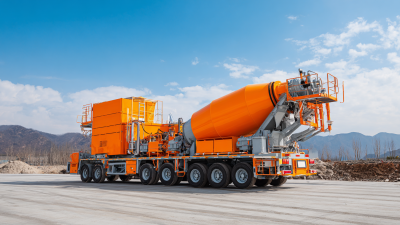
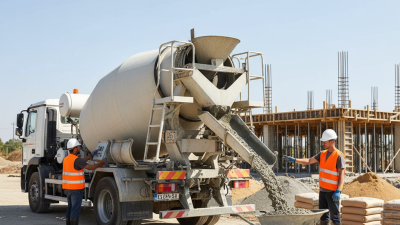
If you are interested in financing to fund your Bay-Lynx purchase, we recommend that you connect with Easylease Corp., a Canadian-based leasing and finance company that offers premier equipment leasing and financial services. They are focused on making it easier than ever before for companies to overcome cash flow and resource constraints to acquire the assets they need to grow their business.

Leasing through Easylease Corp. can offer several benefits:

  • Conserve Cash Leasing
  • 100% Financing
  • No Pre-Payment of Taxes
  • Preserve Lines of Credit
  • Potential Income Tax Benefits
  • Pay as You Profit
  • Match Revenue with Expenditures
  • Simple, Convenient Process
  • Tailored Payments

Click here for your Canadian instant lease quote >>

For US customers, Click here for your instant lease application >>

Best Concrete Mixer and Pump for Efficient Construction?

The construction industry continues to evolve, emphasizing efficiency and innovation. A concrete mixer and pump plays a crucial role in this progress. According to a recent report by the Concrete Pumping Association, nearly 70% of construction projects rely heavily on advanced mixing and pumping technologies. These tools enhance productivity and reduce labor costs.

Expert Mark Thompson, a well-respected industry analyst, states, “Selecting the right concrete mixer and pump can make or break a project.” His insights highlight the importance of choosing reliable equipment. Many contractors face challenges in finding the right balance between performance and cost. Often, they overlook factors like durability and ease of use.

Investing in high-quality options may seem costly upfront. However, the long-term benefits significantly outweigh these initial expenses. Fatigue with outdated machines can lead to project delays and increased costs. As the industry moves forward, prioritizing efficiency in concrete mixing and pumping is more critical than ever.
Best Concrete Mixer and Pump for Efficient Construction?

Types of Concrete Mixers and Their Applications in Construction

Best Concrete Mixer and Pump for Efficient Construction?

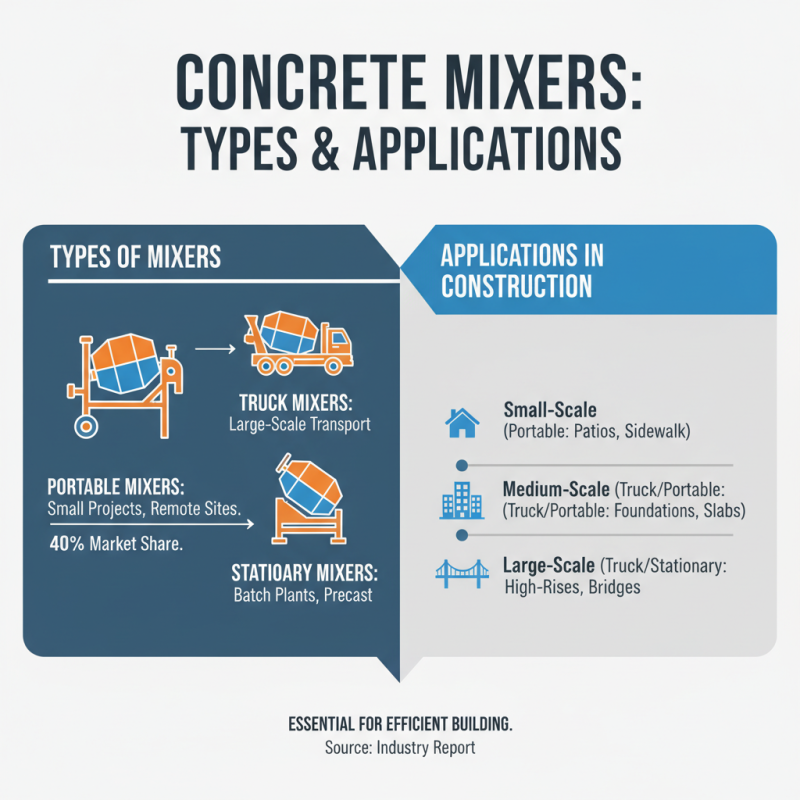
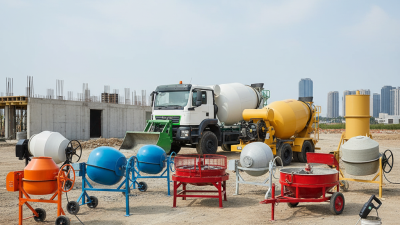
Concrete mixers are essential for construction efficiency. They come in various types, each suited for specific applications. A recent industry report states that portable concrete mixers dominate the market, accounting for over 40% of sales. These mixers are ideal for small projects and remote sites. Their design allows easy transportation and maneuverability, making them a popular choice for contractors.

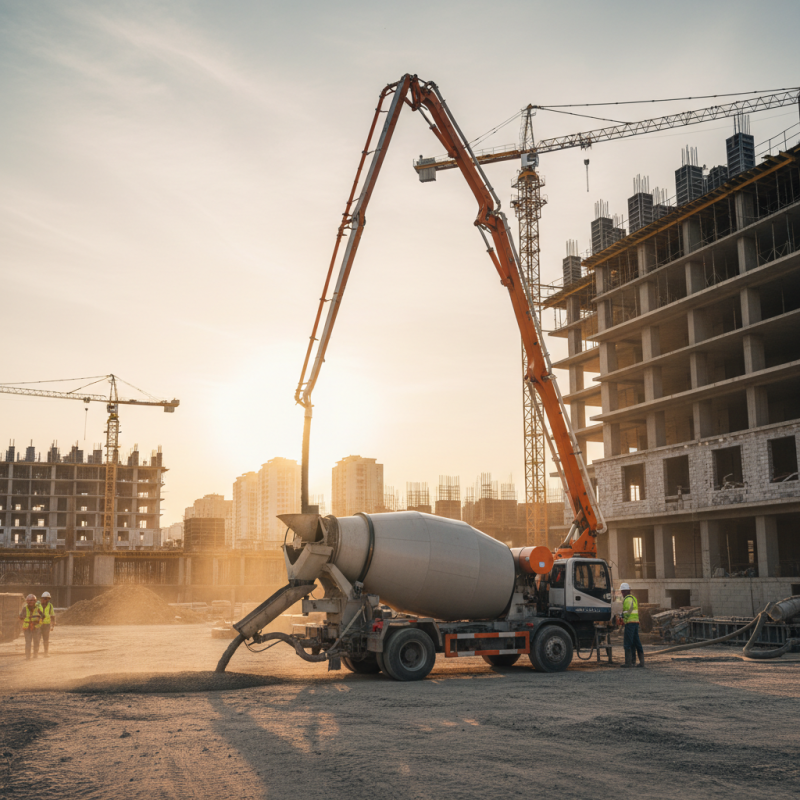
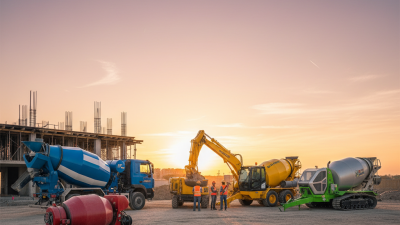
Stationary concrete mixers are designed for larger projects. They can deliver consistent concrete mixes in bulk. Surveys indicate that construction companies prefer these mixers for their reliability and capacity. However, they require more space and setup time. On the other hand, concrete pump mixers combine mixing and pumping capabilities, streamlining the process significantly. They are preferred in high-rise construction, where concrete needs to be delivered at great heights.

Despite the advances, challenges remain. Many operators struggle with maintenance, leading to unexpected downtime. Frequent inspection is necessary, yet often overlooked. Workers may also face difficulties in adjusting mix designs based on project requirements, which can affect overall quality. Continuous training is vital to ensure optimal equipment use and minimize these issues.
Key Features to Consider When Choosing a Concrete Mixer and Pump

When selecting a concrete mixer and pump, understanding key features is essential. One crucial aspect is capacity. A higher capacity mixer allows for more significant material volumes. Data shows that a 2 cubic meter mixer can save up to 20% on time compared to smaller models. However, larger equipment can become unwieldy on tight job sites.

Another important feature is the pump's pressure output. High pressure ensures smoother concrete flow and better delivery to formwork. Studies indicate that pumps with a pressure rating above 100 psi can reduce job site delays by as much as 30%. Still, it's vital to balance pressure with the material used to avoid pump strain.

Durability is another factor to weigh heavily. A mixer and pump must withstand various stressors like heavy loads and environmental factors. While advanced models offer durability, they might require more maintenance. A report from the concrete industry indicates frequent upkeep can lead to 15% higher operational costs over time. An informed choice considers both immediate performance and long-term reliability.

Comparison of Key Features in Concrete Mixers and Pumps

This chart compares key features of concrete mixers and pumps, focusing on aspects such as mixing capacity, max pumping height and distance, power, and weight. These metrics are crucial for selecting the right equipment for efficient construction.

Benefits of Using a Concrete Mixer and Pump for Efficient Construction

Using a concrete mixer and pump can greatly enhance efficiency on construction sites. The blending of concrete remains consistent, ensuring a uniform mixture each time. This leads to stronger, more durable structures. Additionally, the pump transports concrete over long distances easily. It speeds up the pouring process, saving valuable time.

However, it's essential to acknowledge potential challenges. Operators must be well-trained to manage the equipment properly. Misuse can lead to waste and inconsistent quality. Regular maintenance is crucial to prevent breakdowns. Having an efficient mix is only part of the equation; ensuring the pump operates smoothly is equally important. Construction teams often overlook this aspect, which can lead to delays.

Moreover, safety is a critical concern. The equipment can pose risks if not used correctly. Ensuring all team members are aware of safety protocols is vital. Despite the challenges, the benefits of using a mixer and pump are clear. They streamline operations and increase productivity, making them valuable tools on any site. Balancing efficiency with the need for careful operation is key to successful construction projects.

Top Brands and Models of Concrete Mixers and Pumps in the Market

When selecting a concrete mixer and pump for construction, understanding the top brands and models is crucial. The global concrete mixer market was valued at approximately $1.2 billion in 2022 and is expected to grow steadily. This indicates a rising demand for efficient equipment. Key features to consider include mixing capacity, pump pressure, and ease of operation.

Professionals often highlight the importance of reliability in these machines. Reports show that up to 30% of project delays are due to equipment failures. A suitable mixer-pump combination can save time and increase productivity. Models with advanced technology offer better fuel efficiency, reducing overall costs. However, some operators still face challenges with machine maintenance, which can be complex. Regular inspections and operator training are essential to minimize breakdowns.

Consider also that not all mixers provide the same quality of concrete. Variations in mixing efficiency can lead to inconsistent results. Feedback from contractors shows that integrating user experience into product selection improves outcomes. It’s worthwhile to evaluate models based on real-life performance. Reflect on past projects to identify what worked and what didn't. This analysis can guide future purchases and project planning.

Maintenance Tips for Enhancing the Lifespan of Concrete Mixers and Pumps

Maintaining concrete mixers and pumps is crucial for their longevity and efficiency. Regular checks on fluid levels can prevent overheating. For instance, ensuring the hydraulic oil remains at the proper level can enhance pump performance. A study by the American Concrete Institute indicated that proper maintenance can increase machinery lifespan by 30-40%.

Cleaning equipment daily helps to keep wear and tear at bay. Concrete residues can cause significant friction and build-up over time. A thorough wash reduces the risk of operational issues. Regular inspections for wear parts can identify potential failures early. Ignoring such signs may lead to costly repairs.

Calibration of mixing ratios is another aspect often overlooked. Incorrect ratios can lead to poor quality concrete, impacting the entire project. Maintaining accurate measurements ensures the mixer is used to its full potential. By following these tips, construction professionals can optimize their machinery's efficiency, ultimately providing better project outcomes.

Best Concrete Mixer and Pump for Efficient Construction

Model Type Capacity (cu ft) Power (HP) Weight (lbs) Recommended Maintenance Interval (Hours)
CM-100 Towable Mixer 4 5 400 50
CMP-200 Stationary Pump 8 10 800 100
CMP-300 Truck-Mounted Pump 10 15 1200 150
CM-150 Portable Mixer 5 7.5 500 60

Maintenance Tips for Enhancing the Lifespan of Concrete Mixers and Pumps

  • Regularly check and change the oil in the engine.
  • Clean the drum thoroughly after each use to prevent concrete buildup.
  • Inspect hoses and connections for leaks or wear and tear.
  • Lubricate moving parts as recommended by the manufacturer.
  • Store the equipment in a dry place to prevent rust.