Waste Incineration Power Plant Benefits for Global Buyers?
Waste Incineration Power Plants have become vital in managing waste and generating energy. As global populations grow, waste management is crucial. Traditional landfilling is no longer sustainable. Waste incineration offers a viable alternative.
These plants convert waste into energy, reducing reliance on fossil fuels. They minimize waste volume significantly, contributing to cleaner land and reducing greenhouse gas emissions. However, these benefits come with challenges. Public perception and environmental concerns must be addressed. Trust in technology and management is crucial for success.
Buyers worldwide have a unique opportunity. By investing in Waste Incineration Power Plants, they can promote sustainable development. They can access cleaner energy sources while tackling waste management issues. Yet, understanding the local context and regulatory environment is essential. The journey towards adopting this technology requires careful consideration.
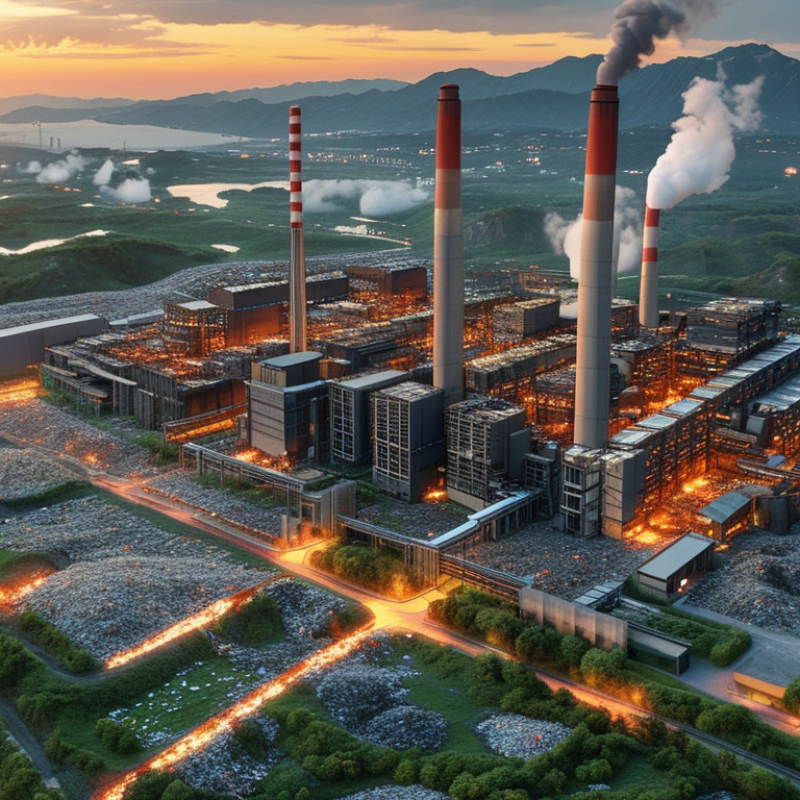
Benefits of Waste Incineration Power Plants for Global Buyers
Waste incineration power plants offer significant advantages for global buyers, particularly in waste management and energy production. These facilities convert waste materials into electricity while reducing landfill use. According to a recent industry report, incineration can decrease waste volume by up to 90%. This process turns waste into a reliable energy source, helping communities meet their growing energy demands.
Investing in waste incineration technology can yield economic benefits. Facilities often generate employment opportunities, contributing to local economies. A study by the International Energy Agency suggests that for every megawatt of energy produced, approximately 3-5 jobs are created. Furthermore, these plants help mitigate greenhouse gas emissions by reducing reliance on fossil fuels. This alignment with sustainability goals is appealing to many buyers.
Tips: Understand the local regulations before starting a project. Different regions have varying compliance standards. Evaluating the environmental impact of waste incineration is also crucial. Engaging experts can provide deeper insights into potential benefits and limitations. It's essential to analyze both short-term and long-term effects thoroughly to ensure compliance and community support.
Benefits of Waste Incineration Power Plants for Global Buyers
Economic Advantages of Waste-to-Energy Conversion in Various Regions
Waste-to-energy (WtE) plants convert waste into electricity or heat. This process offers significant economic advantages in many regions. According to a 2021 report by the International Energy Agency, WtE facilities can reduce landfill dependence while generating an estimated 10-20% of a region's energy needs.
In Europe, WtE plants have significantly boosted local economies. Data from the European Commission reveals that for every 1 million tons of waste processed, about 1,000 jobs are created. These facilities often utilize advanced technology to minimize emissions, ensuring compliance with rigorous environmental standards. However, these plants can be costly to build and maintain, which raises questions about funding and long-term sustainability.
Despite potential drawbacks, WtE remains a crucial solution. In regions facing waste management challenges, it presents a pathway to clean energy. A study by the Waste Management Association highlights how cities with WtE plants show a 30% decrease in waste sent to landfills. As capacity expands, regions must carefully weigh costs against the multiple benefits of this technology.
Environmental Impact: Reducing Landfill Waste through Incineration
Waste incineration power plants play a significant role in managing global waste. They effectively reduce landfill space by converting waste into energy. This process minimizes the environmental footprint associated with landfills. Incineration can cut waste volume by up to 90%. It transforms waste into ash and gases, using high temperatures.
Landfills emit greenhouse gases, mainly methane, that contribute to climate change. By reducing landfill use through incineration, we can decrease these emissions. The energy generated can be harnessed to power homes and industries, promoting renewable energy usage.
**Tips:** When considering waste incineration, evaluate local regulations. Check the plant's emissions record and assess community impacts. Public concerns about air quality require careful consideration.
Understanding incineration's potential benefits and drawbacks is vital. Some communities worry about air pollution. Despite advancements, incineration isn't a perfect solution. Continuous improvements in technology could enhance its efficiency. Balancing energy needs with environmental health remains a challenge numerous stakeholders face.
Waste Incineration Power Plant Benefits for Global Buyers
| Criteria | Description | Environmental Impact |
| Waste Reduction | Incineration reduces the volume of waste significantly, decreasing the need for landfill space. | Less landfill occupancy leads to lower soil and groundwater contamination risk. |
| Energy Production | Incineration facilities can generate electricity and heat from burning waste. | Reduces reliance on fossil fuels and supports renewable energy targets. |
| Air Emissions Control | Modern plants utilize advanced filtering and scrubbing technology to manage air emissions. | Helps mitigate air pollution compared to older incineration methods. |
| Resource Recovery | Recovering metals and other materials from ash post-incineration. | Encourages recycling and reduces the need for virgin materials. |
| Job Creation | Operational plants create jobs in waste management, engineering, and maintenance. | Supports local economies while promoting sustainable practices. |
Energy Production Efficiency: Comparing Incineration with Renewable Sources
The debate on energy production efficiency continues to grow, with waste incineration power plants emerging as a noteworthy contender. Unlike traditional renewable sources, such as wind or solar, incineration transforms waste into energy efficiently. By burning municipal solid waste, these plants can generate electricity, reducing landfill use. This approach addresses dual challenges: waste disposal and energy production.
However, incineration is not without its concerns. Emissions from waste incineration may pose environmental risks, depending on the technology used. Advanced filtration systems are necessary to mitigate harmful outputs. Buyers should consider the balance between energy efficiency and the potential environmental impact. Overall, waste incineration can provide an immediate energy solution while promoting sustainable waste management.
Moreover, compared to solar or wind, waste incineration offers a constant energy supply, unaffected by weather changes. While renewable sources depend on nature, incineration can generate power consistently. This reliability can appeal to global buyers looking for stable energy solutions. Yet, it remains crucial to assess long-term sustainability and explore innovative technologies for cleaner incineration processes.
Regulatory Framework: Compliance Standards for Global Waste Incineration Plants
The regulatory framework for waste incineration plants is crucial for global compliance. Different countries have diverse standards. In the EU, the Waste Incineration Directive (WID) regulates emissions. In the U.S., the Environmental Protection Agency (EPA) sets limits for dioxins, particulate matter, and heavy metals. These regulations ensure operational safety and environmental protection.
Data from the World Health Organization shows that effective waste management can reduce greenhouse gas emissions by up to 20%. Compliance with these standards not only protects human health but also enhances community trust. It’s essential to balance regulatory requirements with operational efficiency.
Nonetheless, compliance is a complex journey. Many facilities face challenges in meeting stringent emission limits. Some may lack advanced technology or skilled personnel. This gap can lead to non-compliance risks. Continuous training and investment in technology are vital for overcoming these hurdles. Adherence to compliance standards is not just a legal obligation but a necessity for sustainable operations.