If you are interested in financing to fund your Bay-Lynx purchase, we recommend that you connect with Easylease Corp., a Canadian-based leasing and finance company that offers premier equipment leasing and financial services. They are focused on making it easier than ever before for companies to overcome cash flow and resource constraints to acquire the assets they need to grow their business.
Leasing through Easylease Corp. can offer several benefits:
Click here for your Canadian instant lease quote >>
For US customers, Click here for your instant lease application >>
Onsite concrete has transformed the construction industry, providing numerous advantages for global buyers. According to a report by Allied Market Research, the global onsite concrete market is projected to reach $1.4 billion by 2026, growing at a compound annual growth rate (CAGR) of 7%. These figures highlight the rising demand for onsite solutions in various segments, such as residential, commercial, and infrastructure projects.
Expert Richard Smith, a notable figure in the onsite concrete field, emphasizes, "The immediacy of onsite concrete enhances project efficiency and reduces waste." This sentiment is echoed by many in the industry who cite faster turnaround times and reduced transportation costs as key benefits. However, challenges do exist. Effective logistics and site preparation are essential to harness the full potential of onsite concrete.
While onsite concrete presents tangible benefits, careful planning is crucial. Inadequate site management can lead to delays and increased costs. Buyers must weigh these considerations. The growing acceptance and adaptation of onsite concrete practices signal a shift in construction methodologies, promising innovation, though it requires a thoughtful approach to truly succeed.
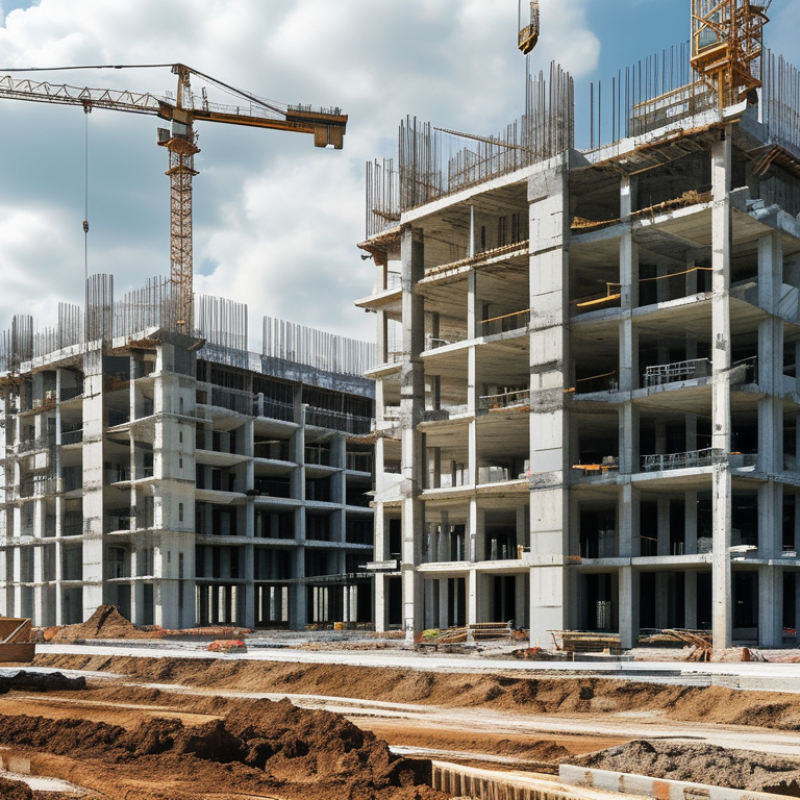
Onsite concrete offers distinct advantages for global buyers. One significant benefit is cost-efficiency. Reports indicate that utilizing onsite mixing can reduce material wastage by up to 30%. This reduction leads to lower overall project costs. Additionally, local sourcing of aggregates minimizes transportation expenses, which can greatly benefit international projects.
Another key aspect is quality control. When concrete is mixed onsite, it allows for better adherence to project specifications. According to the American Concrete Institute, proper onsite mixing results in concrete's optimal performance characteristics. Buyers can expect greater durability and strength when adjustments are made based on immediate observations.
Tips for maximizing onsite concrete benefits include regular monitoring of materials and equipment. Ensuring a clean mixing environment can prevent contamination, which might affect the quality. It’s also essential to train staff on mixing techniques to maintain consistency. Addressing these areas can help mitigate common issues encountered with onsite concrete.
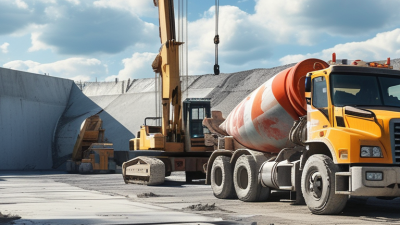
Onsite concrete production has several advantages, particularly in terms of cost efficiency. One significant benefit is the reduction of transportation costs. When concrete is produced directly at the construction site, the need for long-distance hauling is eliminated. This not only saves money but also decreases the carbon footprint associated with delivery.
Additionally, producing concrete onsite can lead to minimized waste. Suppliers often prepare more than necessary to account for potential spills or mistakes during transport. Onsite production allows for precise mixing based on real-time requirements, thus ensuring that only the exact amount needed is created. This precision can contribute to a lower overall expenditure for projects.
However, onsite concrete production is not without challenges. Variations in local materials may affect consistency. Project managers need expertise to evaluate materials before mixing. If not properly sourced, the quality of the concrete can suffer, leading to structural concerns. Regular monitoring and adjustments are necessary to maintain standards.
| Factor | Benefit | Estimated Savings (%) |
|---|---|---|
| Transportation Costs | Reduction in transportation logistics | 15-25% |
| Material Waste | Lower waste generation through precise mixing | 10-20% |
| Labor Costs | Streamlined operations leading to reduced workforce needs | 5-15% |
| Production Time | Faster supply and setup times for projects | 20-30% |
| Customization | Ability to tailor concrete mixes to specific needs | Varies by project |
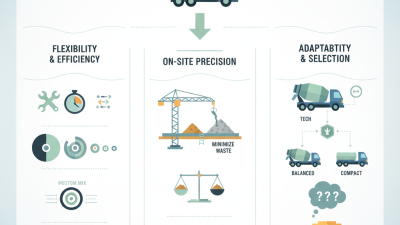
Onsite concrete provides significant advantages for global buyers, especially in customization and flexibility. One of the primary benefits is the ability to tailor concrete mixes based on specific project needs. Whether it’s for strength, color, or texture, buyers can create solutions that directly align with their vision. This level of customization is rarely available in ready-made solutions.
Flexibility is another critical factor. Projects often evolve, requiring adjustments in design or materials. Onsite concrete can accommodate these changes quickly. If a design needs more durability or a specific aesthetic, adjustments can be made immediately. This rapid response minimizes delays and keeps projects on track.
However, challenges may arise. Not all teams are trained to handle onsite mixing effectively, leading to potential errors. It is essential to ensure that staff have the necessary skills. Regular training can help mitigate these issues, enhancing the effectiveness of onsite solutions. Despite these challenges, the potential benefits of onsite concrete customization make it a valuable option for many construction projects.
Onsite concrete offers significant environmental advantages that appeal to global buyers. One crucial benefit is the reduction of carbon emissions during transportation. By producing concrete directly at the construction site, the need for long-distance trucking decreases significantly. This not only cuts fossil fuel consumption but also lessens air pollution around urban areas. Local sourcing of materials minimizes ecological footprints and promotes sustainability in construction practices.
Another important aspect is waste reduction. Traditional methods often result in excess material, which can end up in landfills. Onsite concrete allows for precise calculations and tailoring of mixtures to project-specific needs. This means less waste produced on-site and more efficient use of resources. It encourages a shift towards a circular economy by promoting recycling of materials and reusing concrete whenever possible.
Moreover, onsite mixing can adapt to weather and job site conditions, leading to a more robust final product. However, there can be challenges. Conditions such as humidity and temperature can affect the curing process. This requires experienced workers who can anticipate and mitigate issues. It fosters a deeper understanding of material behavior and environmental science among construction professionals. This practice emphasizes the need for proper training and adaptation in an industry that is continuously evolving.
Onsite concrete production offers unparalleled quality control and consistency, vital for global buyers. Factories producing precast concrete often face challenges such as material variations and transport delays. In contrast, onsite mixing blends materials right at the construction site. This process ensures that the mix is fresh and tailored to the specific requirements of each project.
Research indicates that 80% of construction delays stem from issues with material supply and quality inconsistencies. Onsite production can mitigate this risk significantly. By conducting immediate testing of materials, teams can adjust mixes as needed before pouring. This level of control translates to a more reliable end product.
However, inconsistency can still occur. Variables like temperature and humidity can affect the curing process. Advanced technology can help monitor these environmental factors, but human oversight remains critical. Not every project will benefit equally from onsite concrete. Careful evaluation of the project’s scale and complexity is necessary. Balancing efficiency and quality requires ongoing reflection and adjustment in practices.