
Financing

If you are interested in financing to fund your Bay-Lynx purchase, we recommend that you connect with Easylease Corp., a Canadian-based leasing and finance company that offers premier equipment leasing and financial services. They are focused on making it easier than ever before for companies to overcome cash flow and resource constraints to acquire the assets they need to grow their business.

Leasing through Easylease Corp. can offer several benefits:

  • Conserve Cash Leasing
  • 100% Financing
  • No Pre-Payment of Taxes
  • Preserve Lines of Credit
  • Potential Income Tax Benefits
  • Pay as You Profit
  • Match Revenue with Expenditures
  • Simple, Convenient Process
  • Tailored Payments

Click here for your Canadian instant lease quote >>

For US customers, Click here for your instant lease application >>

2026 Best Grab Hook Types for Global Buyers

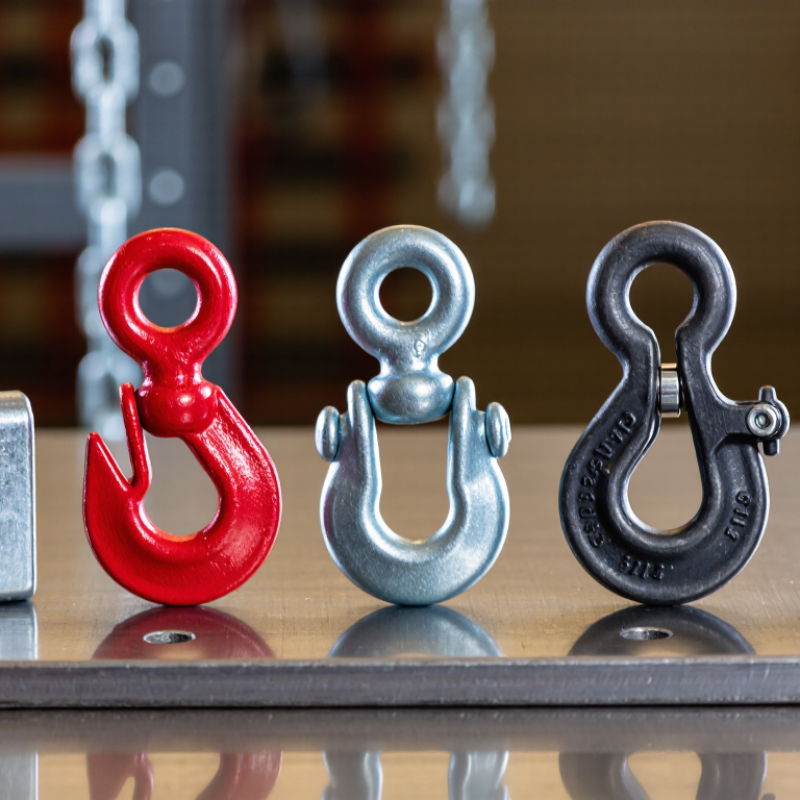
Choosing the right Grab Hook in 2026 requires more than comparing prices or browsing attractive product photos. Global buyers need to examine hook geometry, steel grade, heat treatment, surface protection, and stated working load limits. A clevis grab hook may suit short-link chain applications, while an eye grab hook can support different connection arrangements. Swivel and self-locking designs may improve handling, but their value depends on the working environment and approved use.

This guide introduces the main Grab Hook types for international sourcing teams. It considers forged carbon steel, alloy steel, zinc-plated, painted, and hot-dip galvanized options. Each type has practical strengths and limitations. A hook used near saltwater may need stronger corrosion protection. A hook used in a dusty workshop may need simple inspection access. Small details matter. The throat opening, latch design, chain fit, and identification markings can affect daily reliability.

Experienced buyers should request material certificates, dimensional drawings, test reports, and traceable batch information. They should also verify the working load limit against the complete lifting or securing system, not the hook alone. Relevant technical standards may differ by market, so supplier documentation requires careful review. Some catalogs use similar names for different hook designs, which can create costly misunderstandings. Even experienced teams can overlook this.

The best choice is rarely the cheapest one. It is the hook that matches the chain, load direction, environment, and inspection plan. This overview may not cover every regional preference, and specifications should be confirmed before purchase. A careful comparison reduces uncertainty and supports safer, more dependable global procurement.
2026 Best Grab Hook Types for Global Buyers

What Are Grab Hooks and How Do They Work?

2026 Best Grab Hook Types for Global Buyers

Grab hooks are chain-shortening fittings. They hold a selected chain link inside a narrow throat, allowing users to reduce sling length or control a load position. Common types include Clevis Grab Hooks, eye grab hooks, and cradle-style hooks. Clevis models connect directly to compatible chain. Eye models require a connecting link or master link. Cradle designs support the chain more fully, reducing sudden link release.

The hook does not “lock” by magic. Tension pulls the seated link against the hook bowl and throat. Correct chain size, grade, and working load limit are essential. A common buying mistake is treating a deeper throat as automatically safer. It is not. The chain must fit correctly, without twisting or side loading.

Safety data explains why small details matter. The U.S. Bureau of Labor Statistics recorded 1,032 fatal injuries in transportation and material-moving occupations in 2023. The International Labour Organization estimated 2.93 million work-related deaths worldwide in 2023. These reports do not isolate grab-hook failures, but they show the wider risk around lifting and material handling. Buyers should verify markings, test certificates, inspection records, and compatibility with local standards such as ASME B30.9 or applicable ISO requirements. Inspect the throat, latch area, and chain seat before every use. Rust, cracks, stretched openings, or a missing rating mark should stop the job. Plainly, choose fit before appearance.

2026 Best Grab Hook Types for Global Buyers

Grab hooks are lifting-chain components used to shorten, secure, or connect chain sections. The hook engages a chain link, while the load is transferred through the hook body and the chain. Always match the hook with the correct chain grade, size, working load limit, and safety latch requirements.

Grade 80 Grab Hook Selection Reference

The chart shows nominal working load limits for compatible Grade 80 lifting chains by nominal chain diameter. These values are commonly used as a reference when selecting clevis grab hooks, eye grab hooks, or self-locking grab hooks. The final assembly rating must never exceed the lowest-rated component.

Common Grab Hook Types

  • Clevis grab hook: Attaches directly to compatible chain using a clevis pin and is convenient for chain sling assembly and shortening applications.
  • Eye grab hook: Connects through an eye, master link, or other compatible lifting fitting and is useful when a permanent or semi-permanent connection is required.
  • Self-locking grab hook: Uses a locking mechanism to help retain the chain link during lifting and is suitable when additional load-control security is needed.

Safety note: Working load limits depend on hook design, chain grade, loading angle, temperature, wear, and installation. Inspect hooks and chains before use, avoid side loading and tip loading, and follow the applicable lifting-equipment standard and manufacturer instructions.

Data reference: nominal Grade 80 chain working load limit values based on the commonly used EN 818-2 load-table framework. Values are shown for selection guidance and are not a substitute for the rating of a specific grab-hook assembly.

Main Grab Hook Types for Different Lifting Applications

2026 Best Grab Hook Types for Global Buyers

Grab hooks are selected by how a chain sling controls a load, not by appearance. Clevis grab hooks suit chain shortening, such as tightening a 13 mm alloy-chain sling around a steel bundle. Eye grab hooks work well when the hook connects to a permanent chain end. Slip grab hooks offer faster placement, but their wider throat needs careful seating. Self-locking grab hooks add protection when the load may shift or vibrate. Each type must match the chain grade, working load limit, and lifting angle.

The U.S. Bureau of Labor Statistics recorded 1,069 fatal injuries in transportation and material-moving occupations in 2023. This figure does not identify hook failures, but it shows why small rigging choices deserve serious attention. ASME B30.10 and EN 1677-1 provide useful references for hook design, inspection, and marking. Buyers should request traceable test certificates, permanent WLL markings, and dimensional drawings. A hook that fits the chain may still be wrong for overhead lifting. That mistake is easy to make.

Tips: Measure chain diameter, throat opening, and bowl width before ordering. Check the load angle, too. Inspect for cracks, stretched openings, damaged latches, or severe wear. Replace questionable parts; repair decisions should come from a competent person. Some catalog descriptions remain vague, and that is a purchasing risk. Ask for proof, not promises.

2026 Best Grab Hook Types for Global Buyers - Main Grab Hook Types for Different Lifting Applications

Selection guide for chain shortening, load positioning, rigging, and industrial lifting applications

Grab Hook Type Typical Connection Compatible Chain Recommended Applications Indicative Working Load Limit Main Advantages Key Limitations
Clevis Grab Hook Clevis pin connects directly to a short-link lifting chain. Commonly Grade 80 or Grade 100 alloy steel chain, matched to the hook size. Shortening chain slings, securing loads, logging, material handling, and general overhead lifting. Typically about 1.0–15.0 metric tonnes, depending on chain diameter, grade, design, and lifting angle. Compact design; fast chain attachment; suitable for many chain sling systems. Requires correct pin installation and a compatible chain size; improper loading can reduce capacity.
Eye Grab Hook Eye connects to a master link, connecting link, shackle, wire-rope sling, or other rated component. Usually used with Grade 80 or Grade 100 chain of the specified diameter. Adjustable-length chain slings, rigging assemblies, load restraint, and permanent or semi-permanent lifting setups. Typically about 1.0–20.0 metric tonnes in commonly supplied sizes; the exact limit depends on the complete assembly. Versatile connection options; convenient for custom sling fabrication and replacement. More assembly components may be required; every connection must have a compatible rated capacity.
Sling Grab Hook Eye or clevis attachment connects to a chain sling; the chain seats in the hook bowl or cradle. Designed for the stated size of Grade 80 or Grade 100 lifting chain. Chain sling shortening, load positioning, lifting beams, machinery handling, and general rigging. Commonly about 1.0–15.0 metric tonnes, with capacity dependent on size, grade, and loading method. Provides a controlled chain-bearing area and can help reduce accidental chain disengagement when correctly loaded. Must not be side-loaded, tip-loaded, or loaded on the hook point unless specifically designed for that use.
Locking Grab Hook Eye or clevis connection with a latch, locking mechanism, or chain-retention feature. Normally matched with Grade 80 or Grade 100 chain and the manufacturer's specified link diameter. Applications where vibration, movement, or load geometry may increase the risk of chain release. Often available in the approximate range of 1.0–12.5 metric tonnes; the locking mechanism does not automatically increase the WLL. Improved chain retention; useful for mobile equipment, transport-related lifting, and dynamic work environments. The locking device must be fully engaged and inspected; it cannot compensate for overload or incorrect loading.
Foundry or Heavy-Duty Grab Hook Usually an eye or clevis attachment designed for high-temperature or heavy-industrial rigging systems. Heavy-duty alloy chain, generally selected according to the hook and chain manufacturer's specifications. Steel handling, foundries, shipyards, heavy fabrication, construction, and demanding industrial lifting. Commonly about 5.0–30.0 metric tonnes; higher capacities require engineered lifting systems and documented certification. Large load-bearing section; robust construction; suitable for harsh industrial environments. Heavier and less maneuverable; heat exposure, shock loading, and abrasive conditions can reduce service life.
Slip-On or Slip-Through Grab Hook Hook slips over or captures a selected chain link without requiring a permanent end connection. Only suitable for the chain diameter and link geometry specified for the hook. Temporary chain shortening, quick load adjustment, tie-down work, and selected non-permanent rigging tasks. Typically about 0.5–8.0 metric tonnes; capacity can be substantially affected by link position and loading angle. Fast adjustment; useful when frequent length changes are required. Higher risk of incorrect seating; not suitable for every overhead lifting application or for unapproved chain types.
Self-Locking Grab Hook Integrated latch or locking gate closes automatically or remains locked during normal loading. Matched Grade 80 or Grade 100 chain with the correct link diameter and profile. Overhead lifting, construction, maintenance, and applications requiring additional protection against unintentional release. Commonly about 1.0–20.0 metric tonnes, depending on hook size, chain grade, and design certification. Enhanced retention; reduces the chance of the chain leaving the hook during handling when properly installed. The lock must be kept clean and functional; the hook still requires correct seating and regular inspection.

Important purchasing note: The working load limits shown are indicative market ranges, not universal ratings. The final WLL must be confirmed from the product marking, test certificate, applicable lifting standard, chain grade, connection components, lifting angle, and the most restrictive component in the complete assembly. Do not use a grab hook for side loading, tip loading, shock loading, or personnel lifting unless it has been specifically designed and certified for that purpose.

Key Materials, Load Ratings, and Design Features

2026 Best Grab Hook Types for Global Buyers

Key Materials, Load Ratings, and Design Features

Grab hooks are used to shorten, secure, or position lifting chains. Clevis grab hooks connect directly to chain links through a removable pin. Eye grab hooks attach to slings, connectors, or fixed chain assemblies. Choose the type according to chain size, connection method, and loading direction.

Forged alloy steel is widely selected for high-load applications because heat treatment improves strength and toughness. Carbon steel may suit lighter work, while stainless steel offers better corrosion resistance in wet environments. However, stainless steel does not automatically provide a higher rating. Check the material grade, heat-treatment record, and surface condition.

Load ratings require careful reading. The working load limit is the safe operating capacity, not the breaking load. Never use breaking strength as a working value. A hook should show a permanent rating, size, traceability mark, and compatible chain grade. Safety latches can reduce accidental release, but they cannot correct side loading or poor chain seating. The hook bowl should fully engage the link, with no sharp contact against the throat.

Inspect welds, pins, cracks, deformation, and corrosion before use. Certification and test reports should match the actual batch. A low price can look attractive. It may hide weak traceability. Even experienced buyers can miss load-angle effects, especially during hurried procurement. Local lifting rules and inspection intervals still need verification before shipment.

How Global Buyers Can Choose the Right Grab Hook

Choosing the right grab hook starts with the load path, not the hook photo. A clevis grab hook suits shortening Grade 80 or Grade 100 chain. An eye grab hook fits a permanent sling assembly. A slip-type hook allows chain movement, but its wider throat needs careful positioning. For offshore, wet, or corrosive work, ask about coating, material, and inspection intervals. Bigger is not automatically safer.

Confirm the chain diameter, grade, working load limit (WLL), and connection geometry. The hook, chain, master link, and sling must work as one rated system. Check the marked WLL at the intended angle. Avoid side loading and tip loading. Require a test certificate, batch traceability, dimensional drawings, and proof-load evidence. ASME B30.9 and EN 1677 provide useful reference points. Local rules still control procurement.

The ILO’s 2023 report, A Call for Safer and Healthier Working Environments, estimated 2.93 million work-related deaths annually. That figure is not hook-specific. It still shows why documentation matters.

Review the supplier’s rejection criteria. Look for cracks, stretched throats, distorted latches, and damaged pins. Replace questionable parts. Do not repair them casually.

The U.S. Bureau of Labor Statistics recorded 5,283 fatal occupational injuries in 2023, with a rate of 3.5 per 100,000 workers.

A catalog may omit real handling conditions, such as shock loading or heat. Buyers should challenge that gap. The best choice is sometimes a smaller, certified hook. Sometimes, no purchase is safer until load data is corrected.

Safety Standards, Inspection, and International Purchasing Factors

For global buyers, grab hook selection should begin with load behavior, not price. Clevis grab hooks suit chain assemblies and offer direct, compact connections. Eye grab hooks work well with compatible sling hardware. Slip hooks allow faster placement, but their open throat needs careful load control. Self-locking designs improve security when movement or vibration is expected. The working load limit must match the complete assembly, not only the hook.

Standards vary by destination. EN 818-2 addresses short-link lifting chains, while EN 1677 covers many lifting components. ASME B30.10 provides guidance for hooks in North American operations. Buyers should request material certificates, heat numbers, working load limits, proof-test records, and dimensional drawings. The International Labour Organization reported 2.93 million work-related deaths globally in 2019. That figure makes traceability more than paperwork. It is a purchasing control.

Inspect every hook for cracks, throat opening, twist, gouges, corrosion, and latch damage. Magnetic-particle testing can reveal surface cracks after cleaning. Measurement matters. A simple throat-opening record can expose gradual overload. Suppliers should provide batch identification and an inspection method aligned with the destination standard. Certificates can still contain errors. I have seen specifications copied between projects without checking chain grade or sling angle. That shortcut deserves review. Packaging should prevent impact damage and keep labels readable during sea transport. At customs, missing documents can delay release and complicate site acceptance. A low-cost hook is not cheap when its evidence is incomplete.

Article Source: